Endemic Flora
Endemic Flora
Strong Back
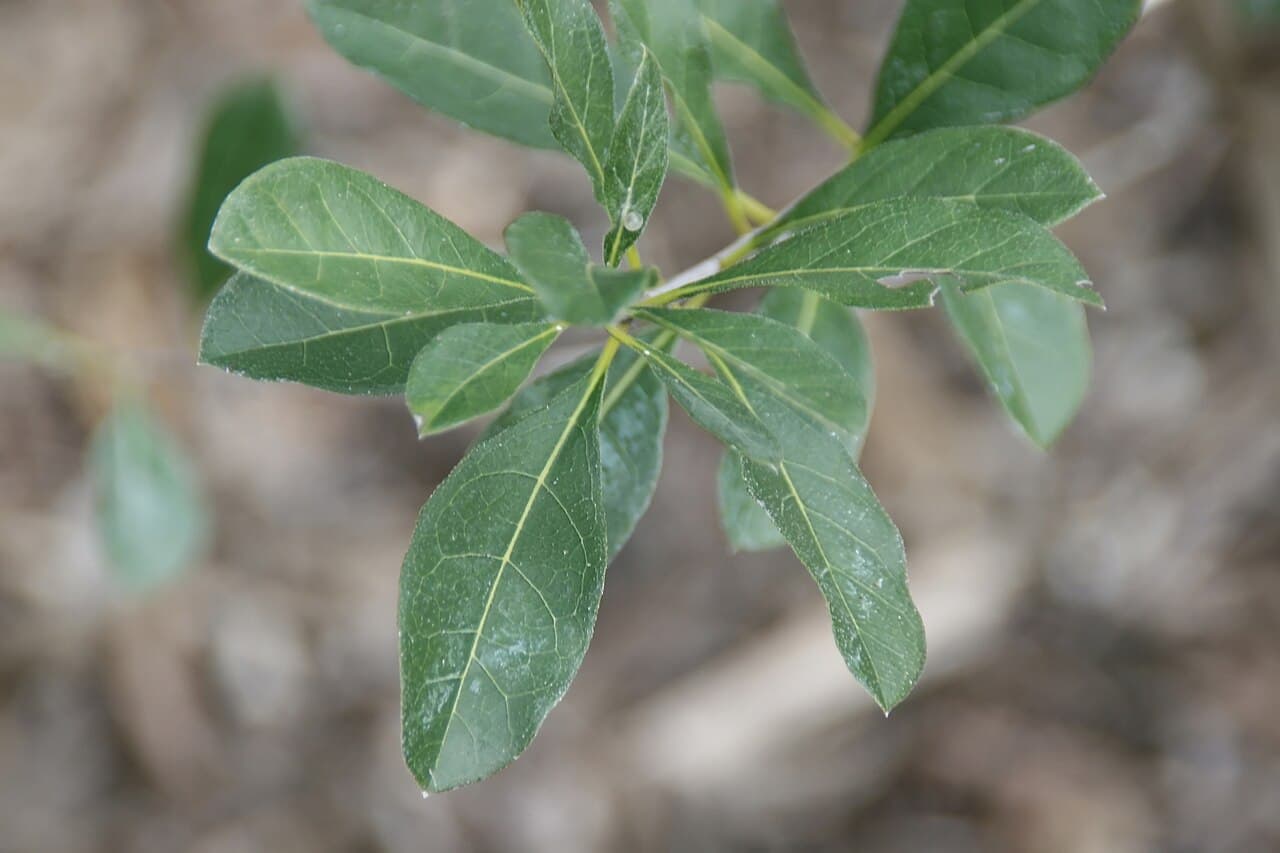
Bourreria succulenta
Photo: David J. Stang (CC BY-SA 4.0)
Strong Back is a native Caribbean shrub to small tree with a long history of use in traditional medicine across the region, its leaves and bark brewed into teas and tonics for a range of complaints.
Strong Back is a native Caribbean shrub to small tree with a long history of use in traditional medicine across the region, its leaves and bark brewed into teas and tonics for a range of complaints. Common in Tobago's dry and seasonally dry coastal forests and scrub, it is one of several plants sharing the local name "strong back" across the Caribbean - a name given to plants traditionally used as energy tonics and to treat fatigue and back pain.
Description
A shrub to small tree, typically 2 to 8 metres tall, with a rounded, spreading form. Bark is grey-brown and slightly rough. Leaves are oval to elliptic, glossy green above and paler below, with a fleshy texture that gives the species its name succulenta. Flowers are small, tubular, white to pale cream, fragrant, borne in terminal clusters; they attract butterflies and bees. The fruit is a small, round, orange to red drupe, fleshy and containing a hard stone, eaten by birds and used in dispersal. The plant has a somewhat variable appearance and can be easily overlooked in scrubby coastal vegetation.
Traditional Use
Strong Back is one of the most widely known bush medicine plants in Trinidad and Tobago and across the Caribbean. Leaves are boiled to make a tea used as a general tonic, for fatigue, back pain, and as an aphrodisiac. In T&T the plant is part of the living tradition of bush medicine passed down through generations, and bundles of the leaves are sold in markets. The name "strong back" is shared with other plants (particularly Desmodium species) used for similar purposes, so identification by local name alone can be unreliable. Despite its widespread medicinal reputation, clinical research on its pharmacology is limited.
Ecology and Range
Bourreria succulenta grows in dry and seasonally dry coastal forest, scrub, and forest edges, tolerating poor, shallow, and rocky soils. In Trinidad and Tobago it is more frequently encountered on Tobago, where dry coastal forest is more extensive, than on Trinidad. The fragrant flowers attract pollinators and the fleshy fruits are eaten by doves, thrushes, and other frugivorous birds. It is a component of the dry coastal scrub community that also includes Lignum Vitae, Manchineel, and other Caribbean coastal species.
Threats
- Over-harvesting of leaves and bark for traditional medicine in accessible areas
- Loss of dry coastal forest habitat to development, particularly in Tobago
- Replacement of native dry forest scrub with ornamental plantings