How We Show Up for T&T's Wildlife
From rescue to policy, WEPTT works across four interconnected areas, each essential to protecting the wildlife and environment of Trinidad and Tobago.
Wildlife Rescue.
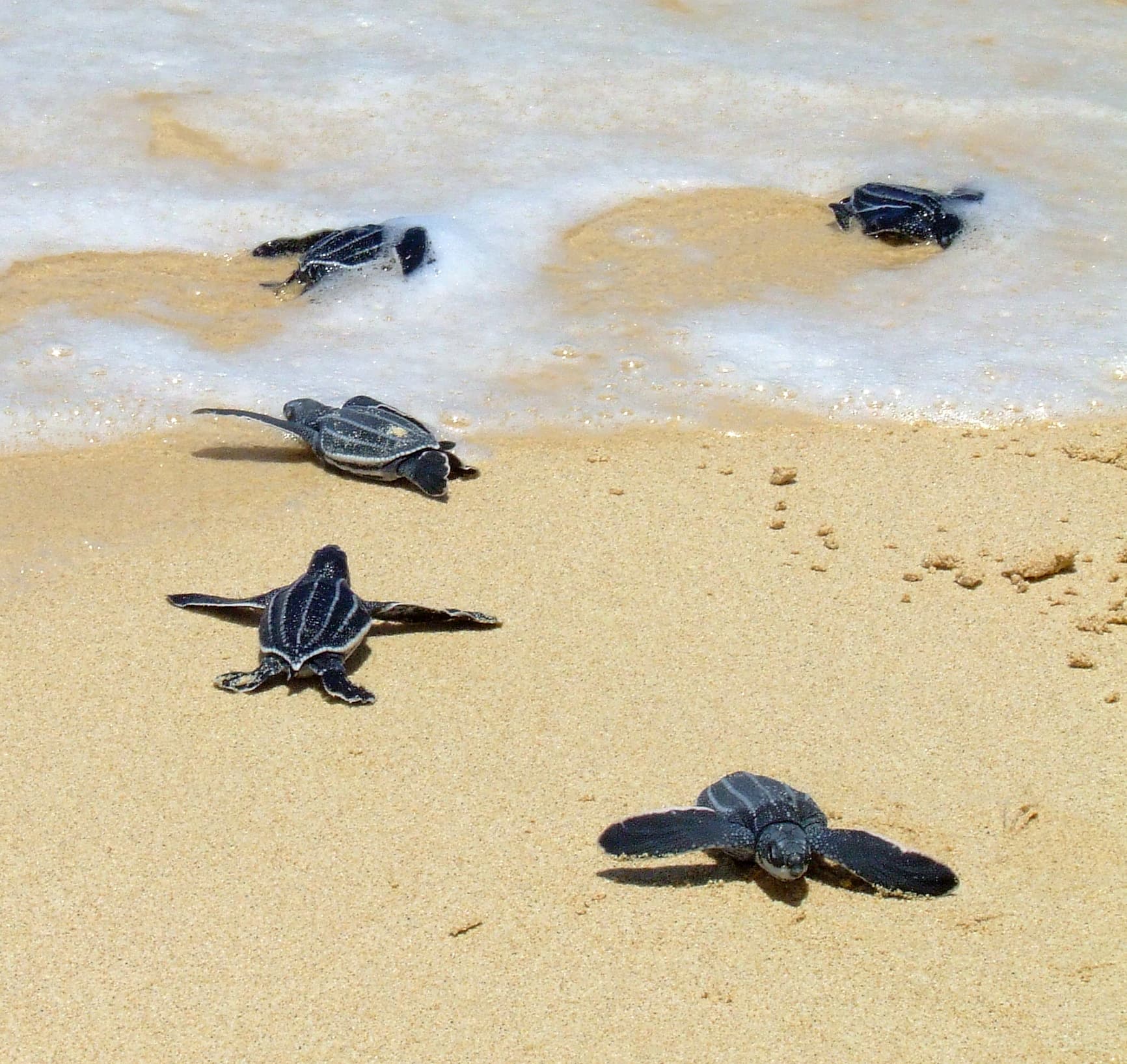
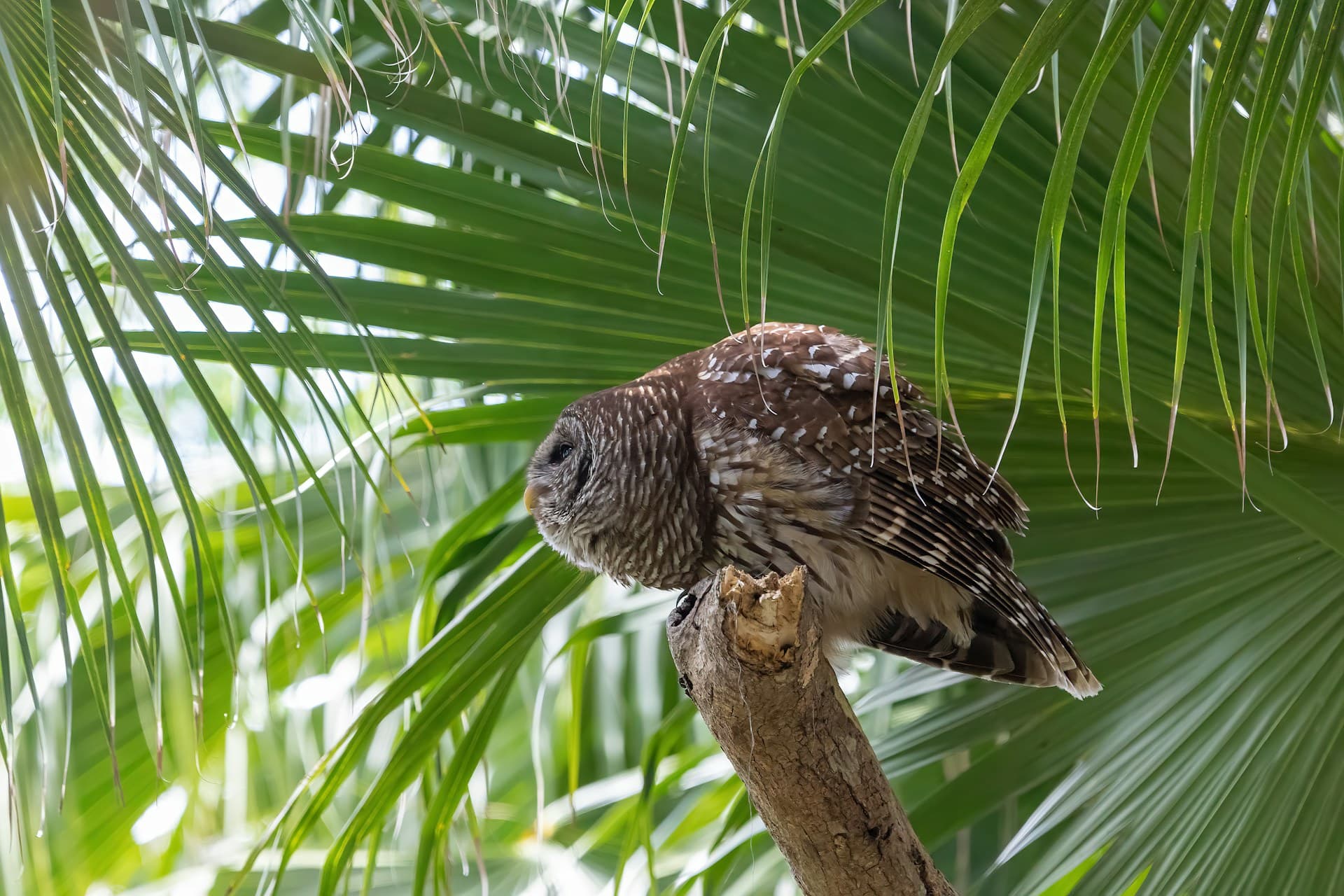
When wildlife is injured or in distress, we respond. Our rescue and rehabilitation work spans birds, reptiles, mammals, and sea turtles across T&T.
See our rescue work →
Habitat Protection.
T&T's forests, wetlands, and reefs don't just shelter wildlife; they shelter us. We monitor them, advocate for them, and work to keep them intact.
Explore ecosystems →
Nature Education.
We bring T&T's natural world to schools, communities, and online audiences alike, because the more people know its wildlife, the more they protect it.
Visit our education hub →
Environmental Law.
Good conservation law only works when people know it exists. We raise awareness and push for enforcement of the rules that protect T&T's natural world.
See the legal framework →Why It Matters
Forests Don't Vote.
We Advocate on Their Behalf.
Trinidad and Tobago supports more species per square kilometre than almost anywhere on earth. Our forests feed our rivers. Our wetlands buffer our coasts. Our reefs sustain our fisheries. The loss of biodiversity is not a distant ecological concern; it is a direct threat to national water security, food production, and community resilience.
Why Biodiversity MattersNews & Campaigns
Latest from WEPTT
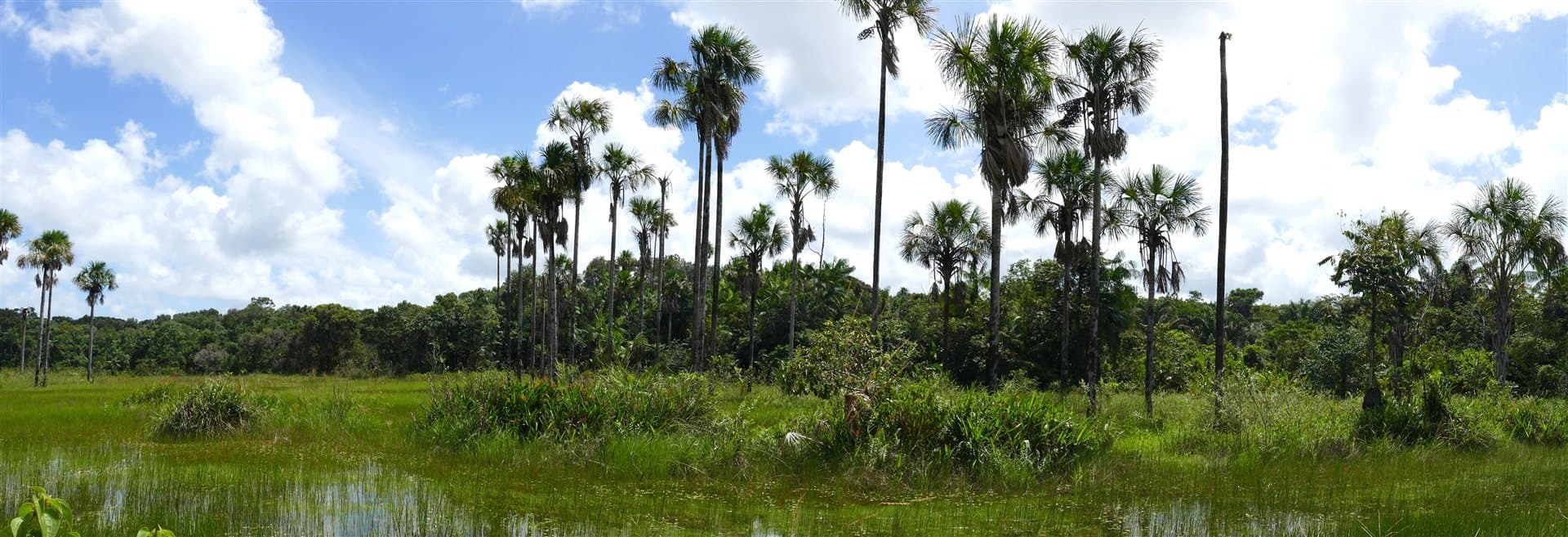
Every year on 2nd February we mark World Wetlands Day, but for us in Trinidad and Tobago, places like Nariva and Caroni are not "special once a year", they are part of our daily survival.
The recent killing of an ocelot in Grande Riviere is a heinous and heartbreaking act, and we strongly condemn this behavior. The ocelot is officially listed as an Environmentally Sensitive Species in Trinidad and Tobago, which means its declining population has already triggered a national mandate to protect, conserve, manage, and maintain this species for future generations.
As we experience every year, the rainy season is now upon us and this year it has started off with quite the downpour. As such many wildlife will be displaced and seeking either dry, humid or higher grounds, in which they often end up in our communities, our yards, our homes etc. It is important to note that the hunting season is officially closed and that the killing of many of these animals, is deemed illegal under the forestry act of Trinidad and Tobago. As such, I urge you to contact relevant authorities to capture, remove/relocate these animals if found/encountered in and around your homes. You can contact us directly or any of the other wildlife organization for assistance. As cool and as "fun" as capturing wild animals may seem, please leave it to the experienced, trained professionals to capture and handle these creatures. Don't put unnecessary risk on yourselves.