Bird
Bird
Yellow Oriole
Icterus nigrogularis
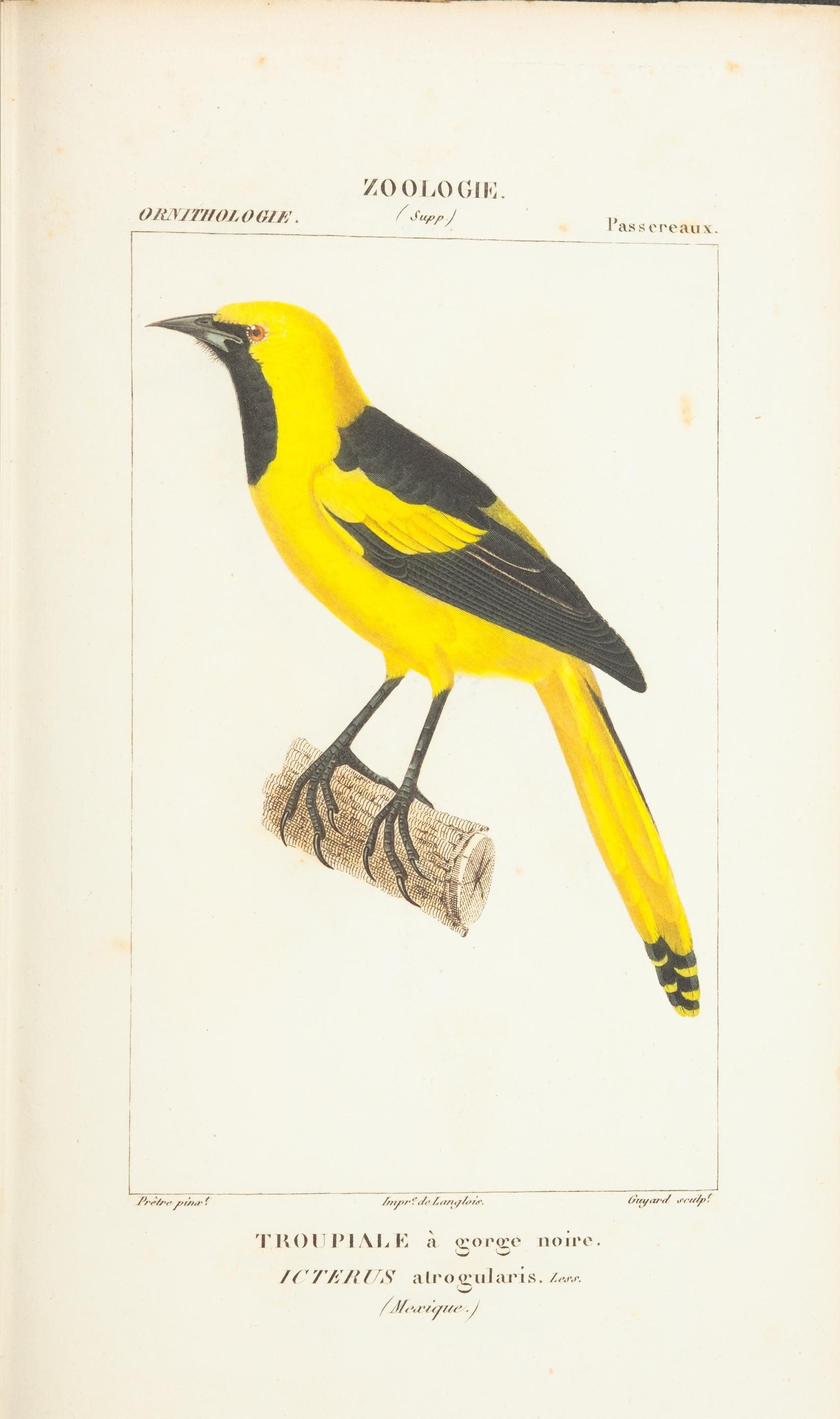
The Yellow Oriole is a brilliantly coloured resident of Trinidad and Tobago, a medium-sized icterid combining vivid canary-yellow plumage with a sharp black mask, black wings, and black tail.
The Yellow Oriole is a brilliantly coloured resident of Trinidad and Tobago, a medium-sized icterid combining vivid canary-yellow plumage with a sharp black mask, black wings, and black tail. Found in gardens, plantation edges, and open woodland across both islands, it is a conspicuous and melodious bird whose rich, fluty whistled song is one of the most recognisable sounds of T&T's garden habitats. The species is the most common of the three oriole species recorded in T&T and is a year-round resident on both islands.
Identification
The Yellow Oriole measures 20 to 22 cm. Adults are bright canary-yellow with a black mask through the eye extending to the throat, black wings with a single white wing bar, and a black tail. The bill is long, pointed, and slightly decurved, typical of icterids. The female is similar to the male but slightly duller with less saturated yellow. Juveniles are olive-yellow with less distinct masking. The similar Troupial is much larger, orange rather than yellow, and has a blue bare facial patch. The Moriche Oriole (very rare in T&T) differs in having a chestnut belly.
Ecology
Yellow Orioles forage actively in the canopy and mid-storey, probing flowers for nectar, gleaning insects from foliage, and taking small fruits and berries. They are important pollinators and seed dispersers in T&T's gardens and forest edges. The nest is a characteristic long, pendant woven basket suspended from the tip of a palm leaf or thin tree branch, constructed entirely by the female from fibres, grass, and plant material. The hanging nest design deters many nest predators. Pairs are monogamous during the breeding season; the female incubates 2 to 4 eggs.
Status in T&T
The Yellow Oriole is found throughout Trinidad and Tobago in gardens, parks, open woodland, plantation edges, and forest clearings. It is a common year-round resident on both islands and is regularly seen at garden feeders attracted by ripe fruit and nectar. The species is fully protected under the Conservation of Wild Life Act and is not a game species. Its dependence on native flowering trees for nectar makes it a useful indicator of garden and woodland quality.
Threats
- Garden pesticide use reducing insect and flower availability
- Nest predation by introduced mammals
- Loss of native flowering trees from gardens