Mammal
Mammal
White-winged Vampire Bat
Diaemus youngi
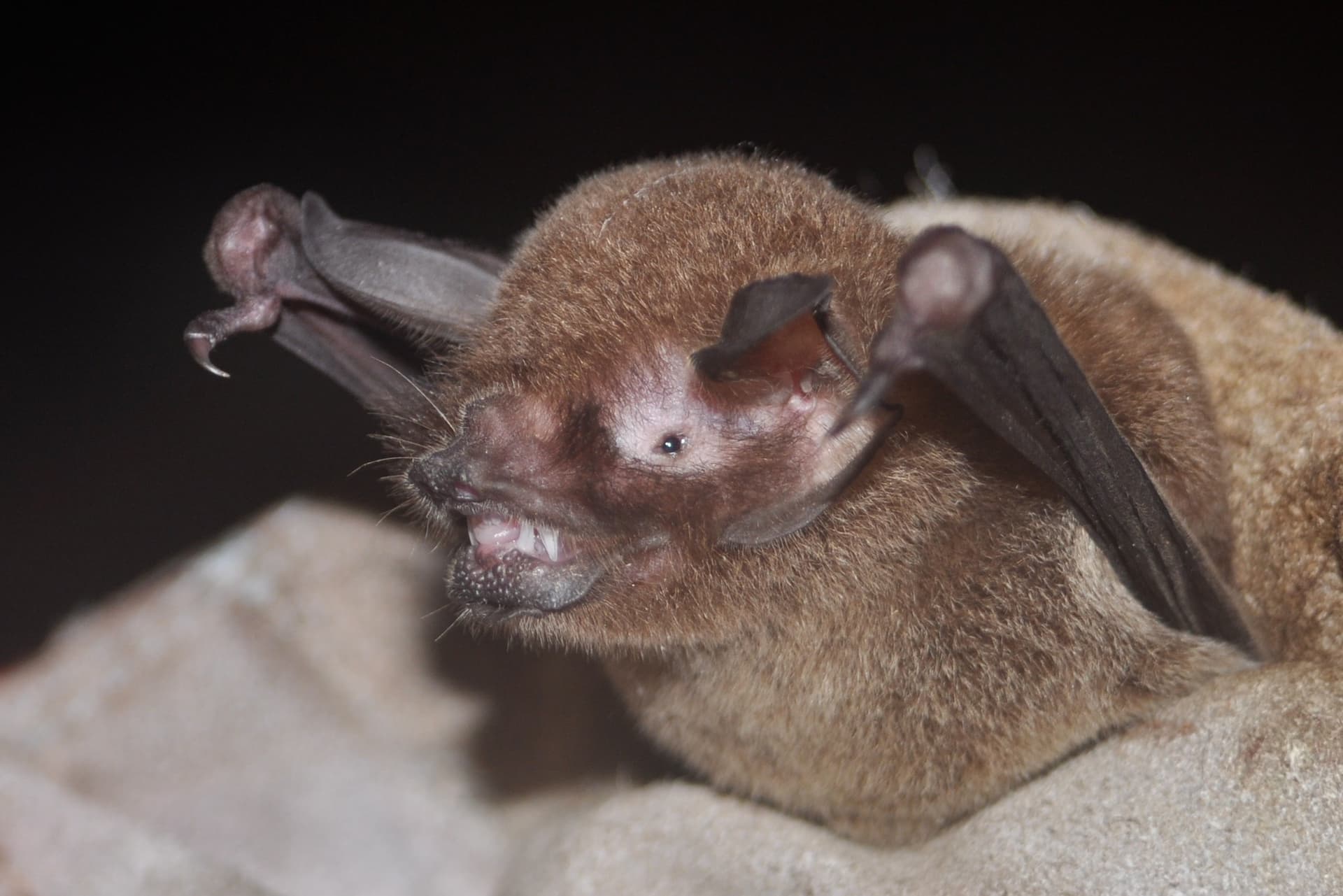
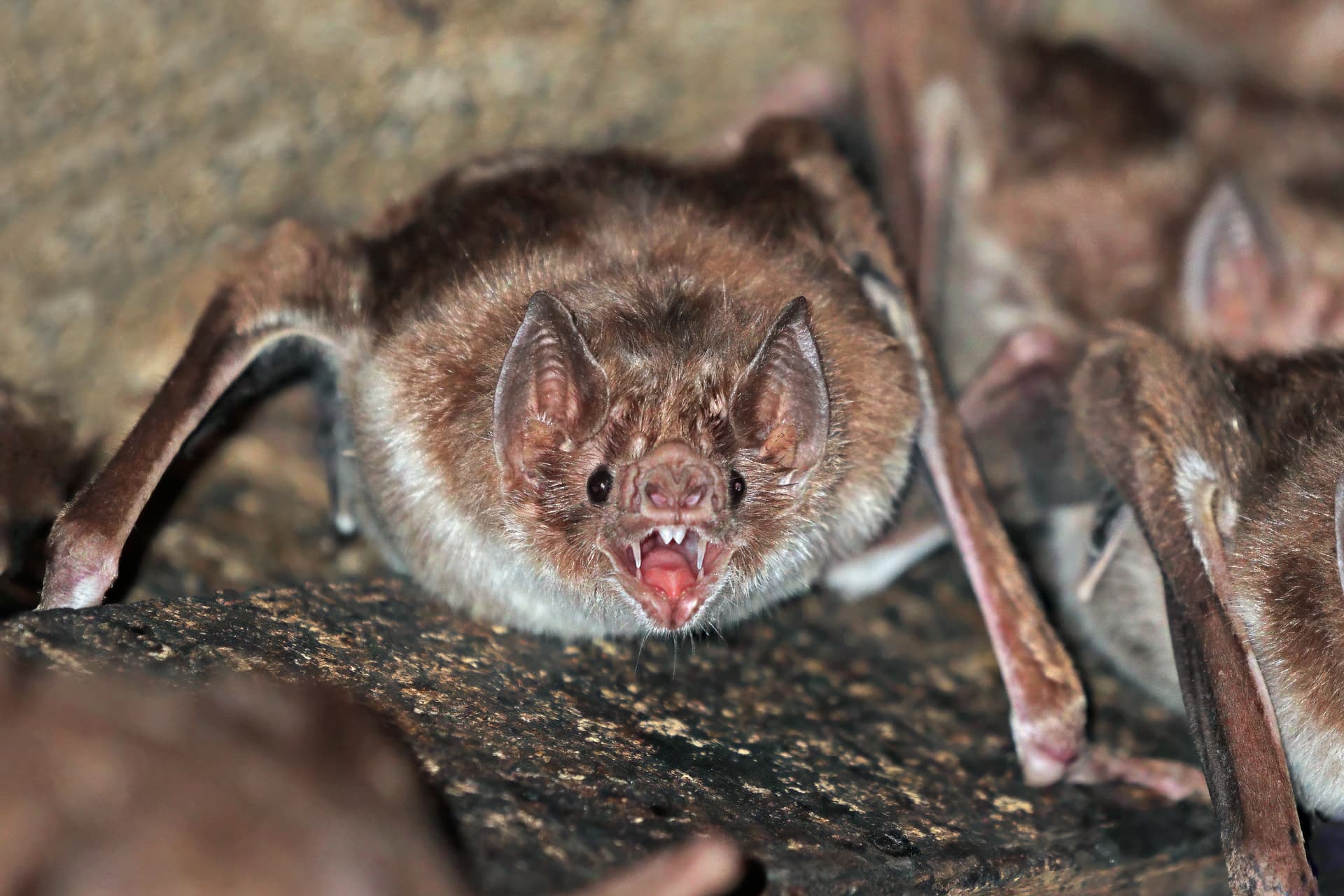
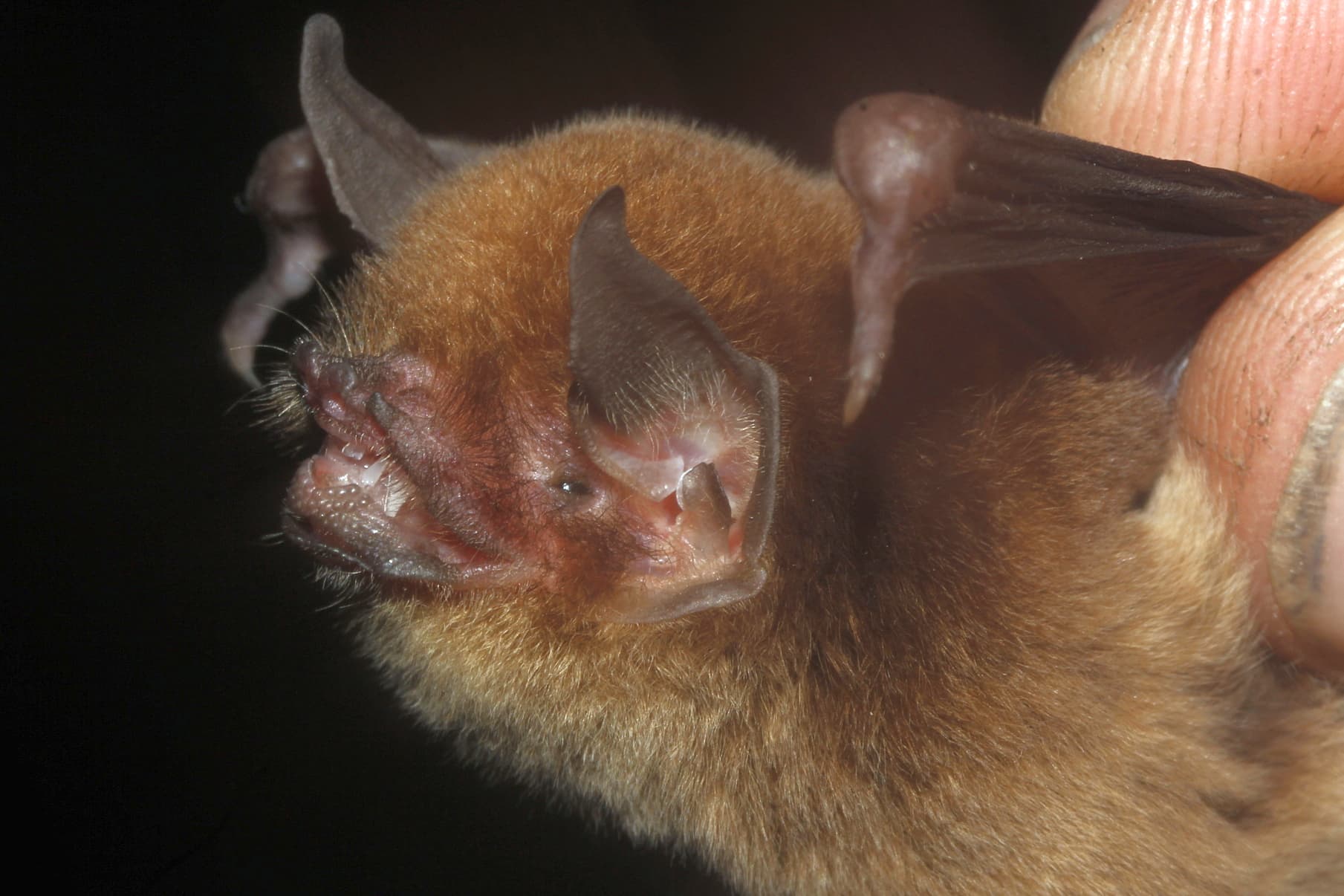
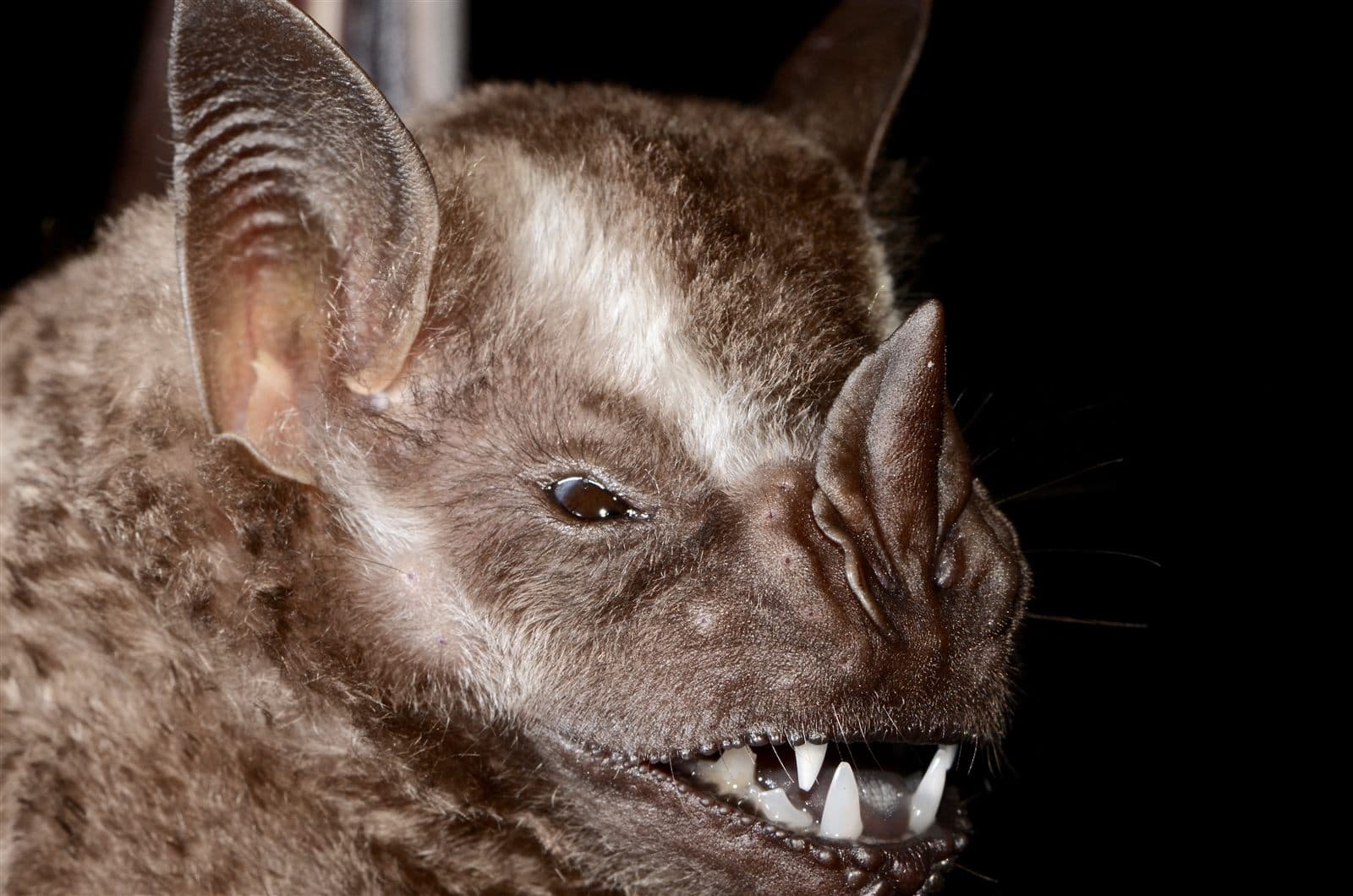
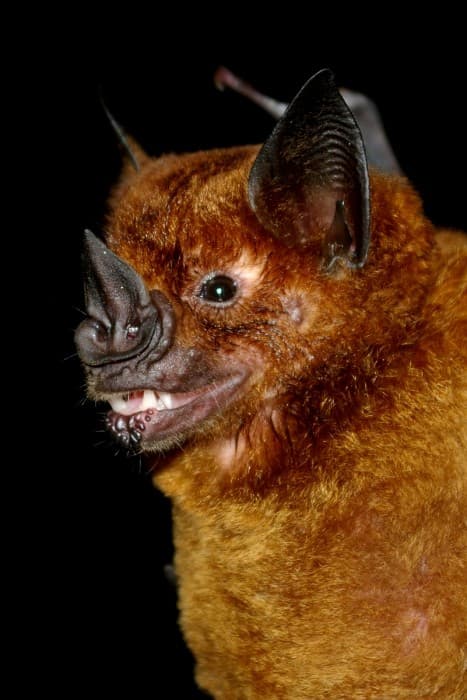
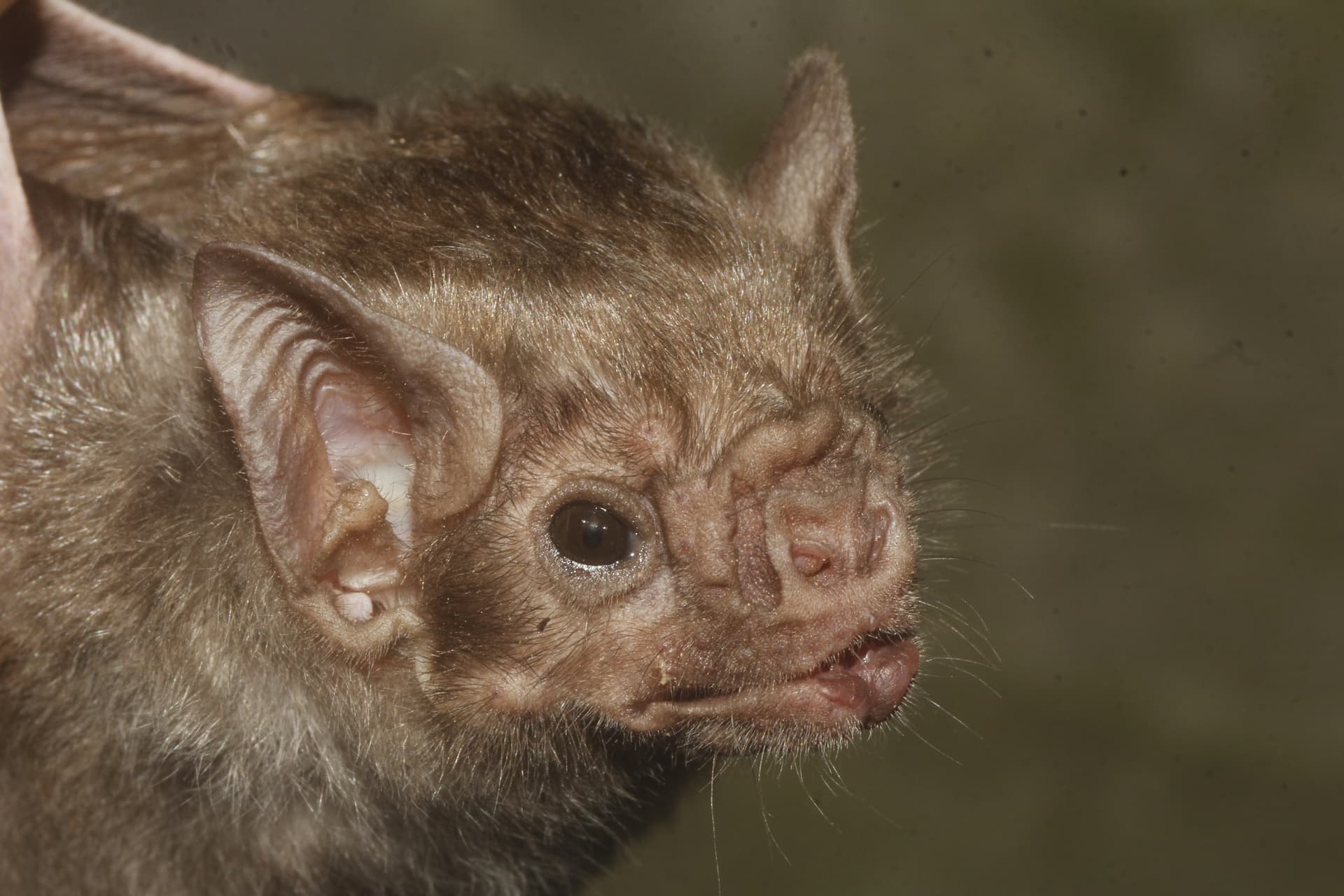
The White-winged Vampire Bat is a rare relative of the more familiar Common Vampire Bat, distinguished by pale patches on its wings and a strong preference for feeding on birds rather than mammals.
The White-winged Vampire Bat is a rare relative of the more familiar Common Vampire Bat, distinguished by pale patches on its wings and a strong preference for feeding on birds rather than mammals. Uncommon and poorly studied in Trinidad, it is the least frequently recorded of the island's three vampire bat species.
Identification
A medium-sized bat with a forearm length of around 45 to 50 mm, brownish fur, and distinctive whitish patches at the wrist and wing edges that give the species its name. Like other vampire bats it has reduced, blade-like incisors for making shallow cuts in skin, but it lacks the thumb-assisted running gait of the Common Vampire Bat.
Ecology
Feeds almost exclusively on the blood of birds, particularly domestic poultry and wild birds roosting in trees, approaching prey from above rather than on the ground. It is far less social and far less frequently encountered than the Common Vampire Bat, typically roosting alone or in very small groups in hollow trees. Anticoagulant compounds in its saliva have been of research interest for potential medical applications.
Status in T&T
Recorded in forest across Trinidad, though sightings and captures are rare compared to the Common Vampire Bat. Not considered globally threatened, though local population data is sparse. It is protected as native wildlife under the Conservation of Wildlife Act.
Threats
- Persecution due to association with vampire bat livestock concerns despite feeding on birds, not livestock