Bird
Bird
White-necked Heron (Cocoi Heron)
Ardea cocoi
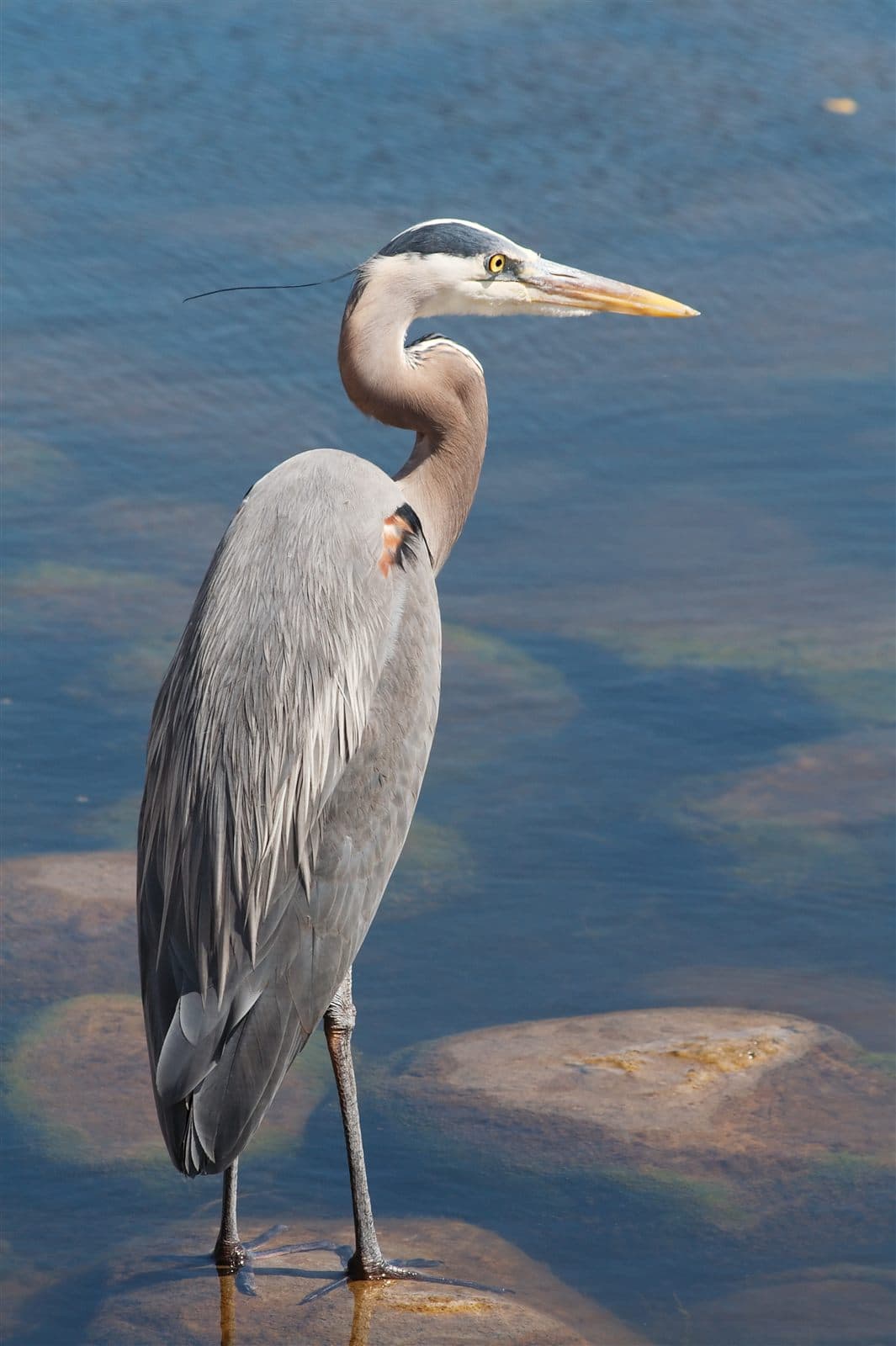
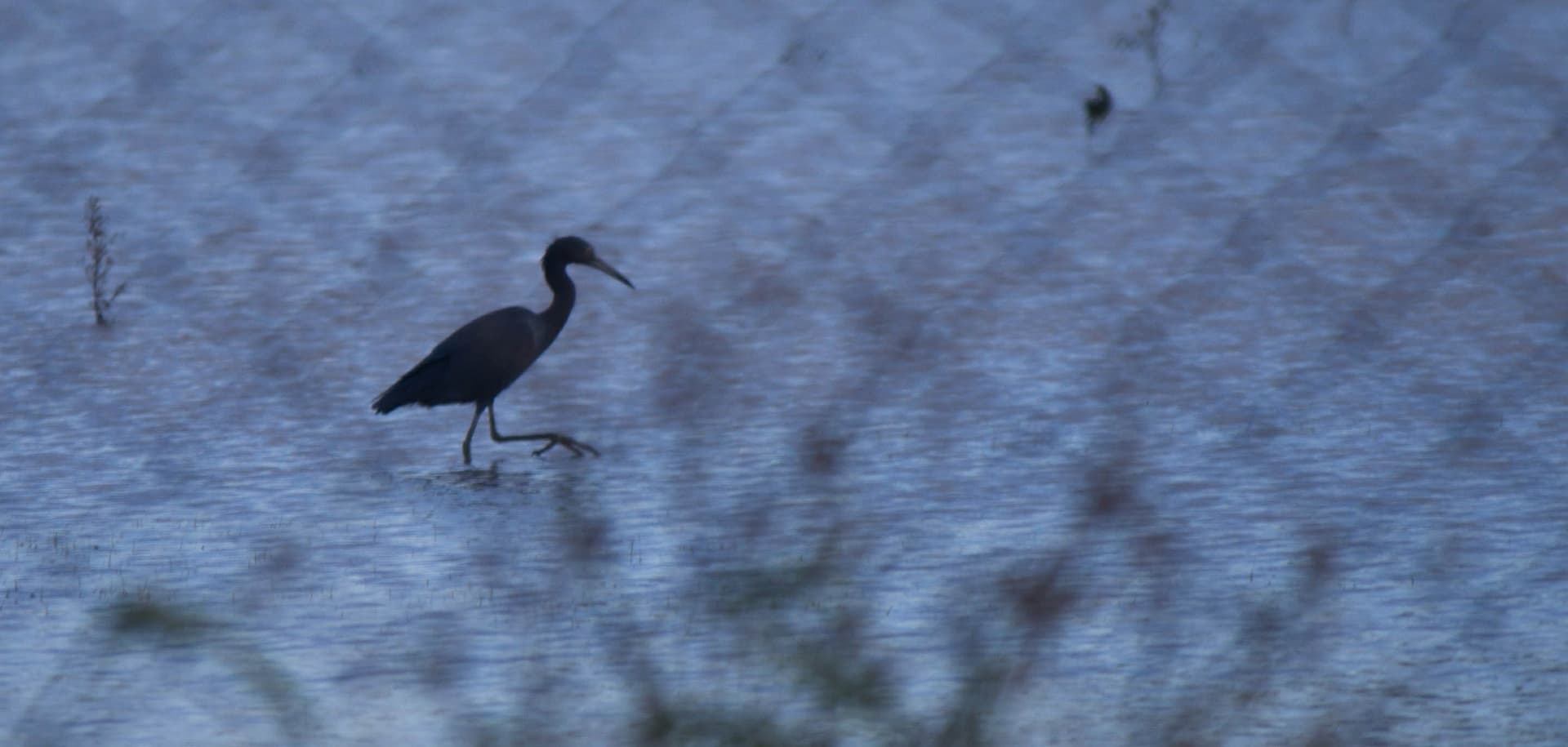
The White-necked Heron, also widely known as the Cocoi Heron, is the largest heron regularly recorded in Trinidad and Tobago, a tall, grey-and-white bird closely resembling the Great Blue Heron of North America but breeding locally rather than merely visiting.
The White-necked Heron, also widely known as the Cocoi Heron, is the largest heron regularly recorded in Trinidad and Tobago, a tall, grey-and-white bird closely resembling the Great Blue Heron of North America but breeding locally rather than merely visiting.
Identification
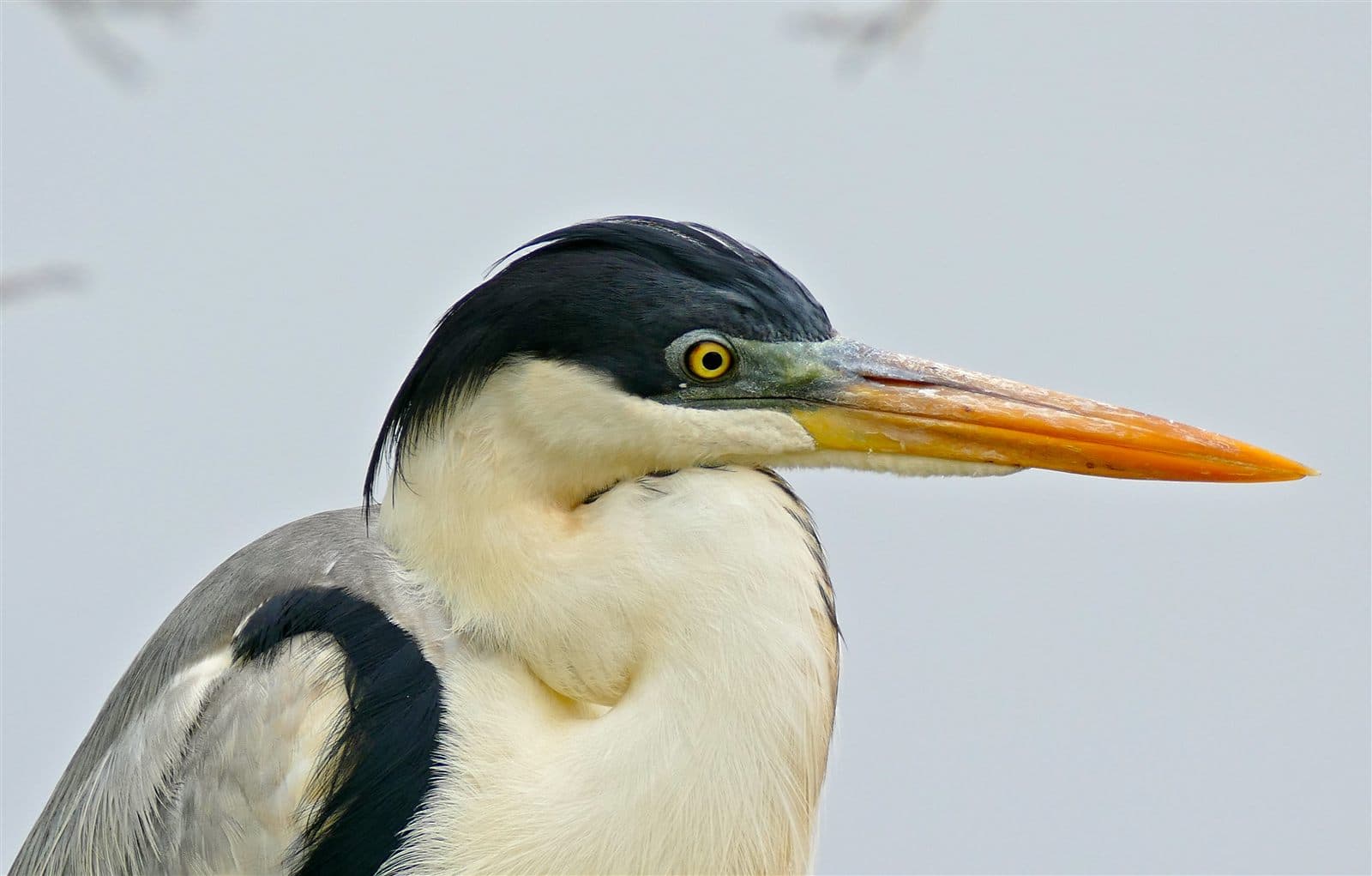
A very large heron standing up to 1.3 metres tall, pale grey above with a white head, neck, and underparts, a black crown and long, black-streaked head plumes, and a heavy, pale yellowish bill. Its size and colour pattern closely resemble the migratory Great Blue Heron, but the White-necked Heron is a resident South American species and the two can occur in the same T&T wetlands, requiring careful comparison of head and neck pattern to distinguish them.
Ecology
The White-necked Heron hunts fish, frogs, crustaceans, and occasionally small mammals and birds, standing motionless or wading slowly in shallow water across a wide range of wetland habitats before striking with its long bill. Unlike the Great Blue Heron, it is a genuine breeding resident in the region, nesting colonially, often in mixed-species heronries alongside other large wading birds, in trees near water.
Status in T&T
Found on wetlands, swamps, and coastal lagoons across both Trinidad and Tobago, breeding locally unlike the closely similar Great Blue Heron, which only visits as a non-breeding migrant. It is not threatened. It is protected under the Conservation of Wildlife Act and is not a game species.
Threats
- Wetland drainage and pollution
- Colonial nesting site disturbance