Amphibian
Amphibian
Whistling Frog
Leptodactylus fuscus
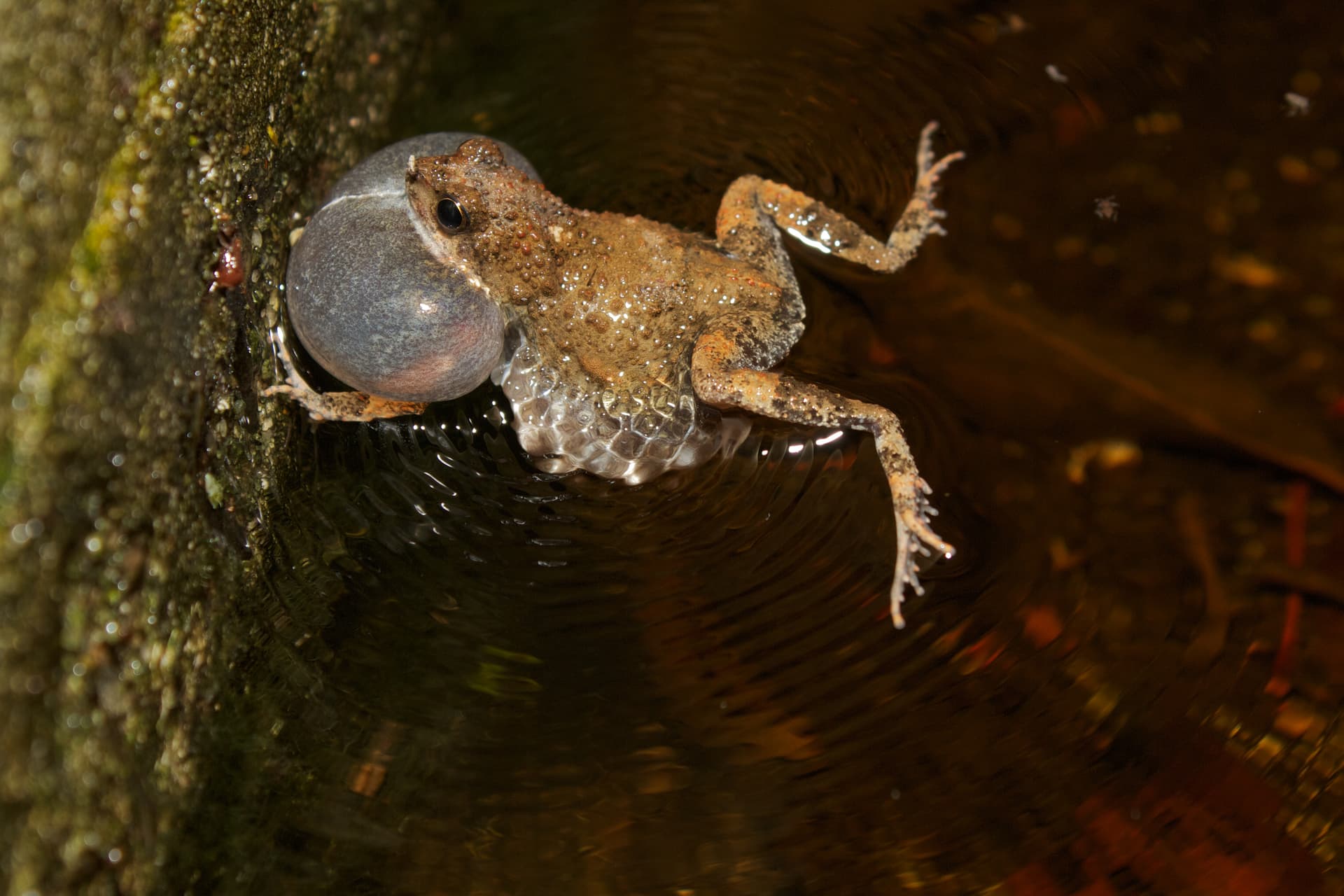
The Whistling Frog is named for the male's distinctive rising, whistle-like call, one of the most recognisable amphibian sounds in Trinidad and Tobago's grasslands and gardens after rain, often heard well before the frog itself is seen.
The Whistling Frog is named for the male's distinctive rising, whistle-like call, one of the most recognisable amphibian sounds in Trinidad and Tobago's grasslands and gardens after rain, often heard well before the frog itself is seen.
Identification
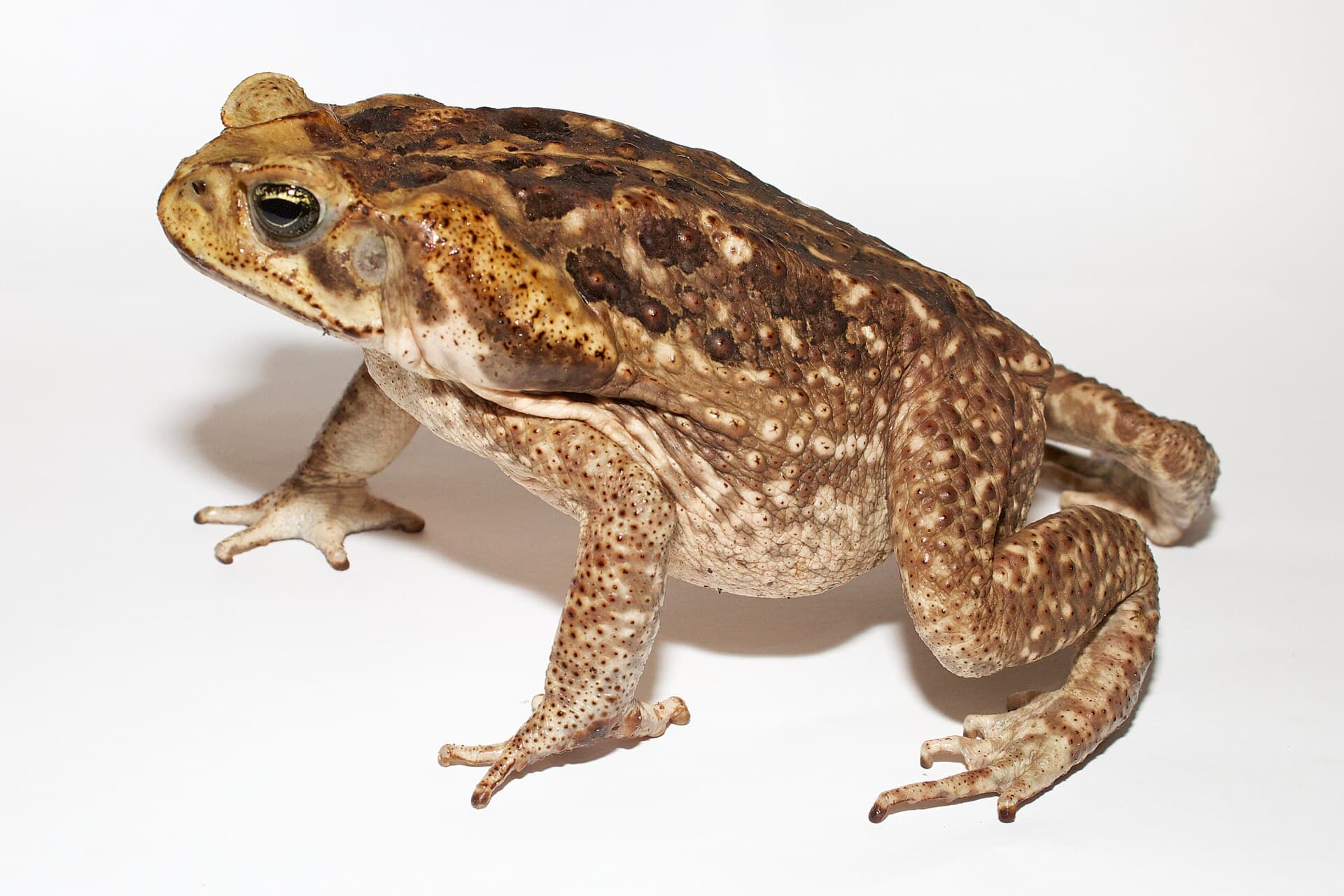
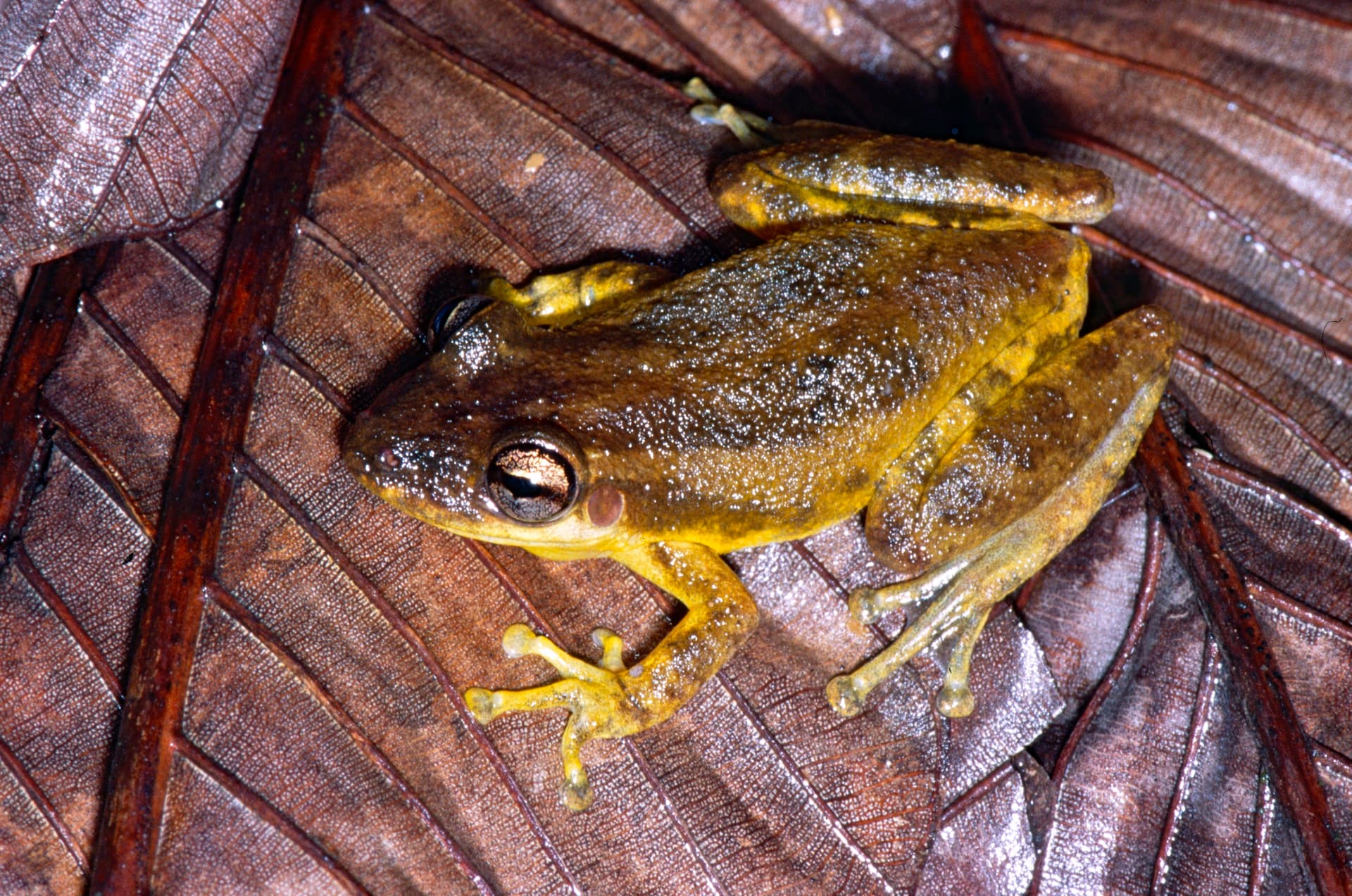
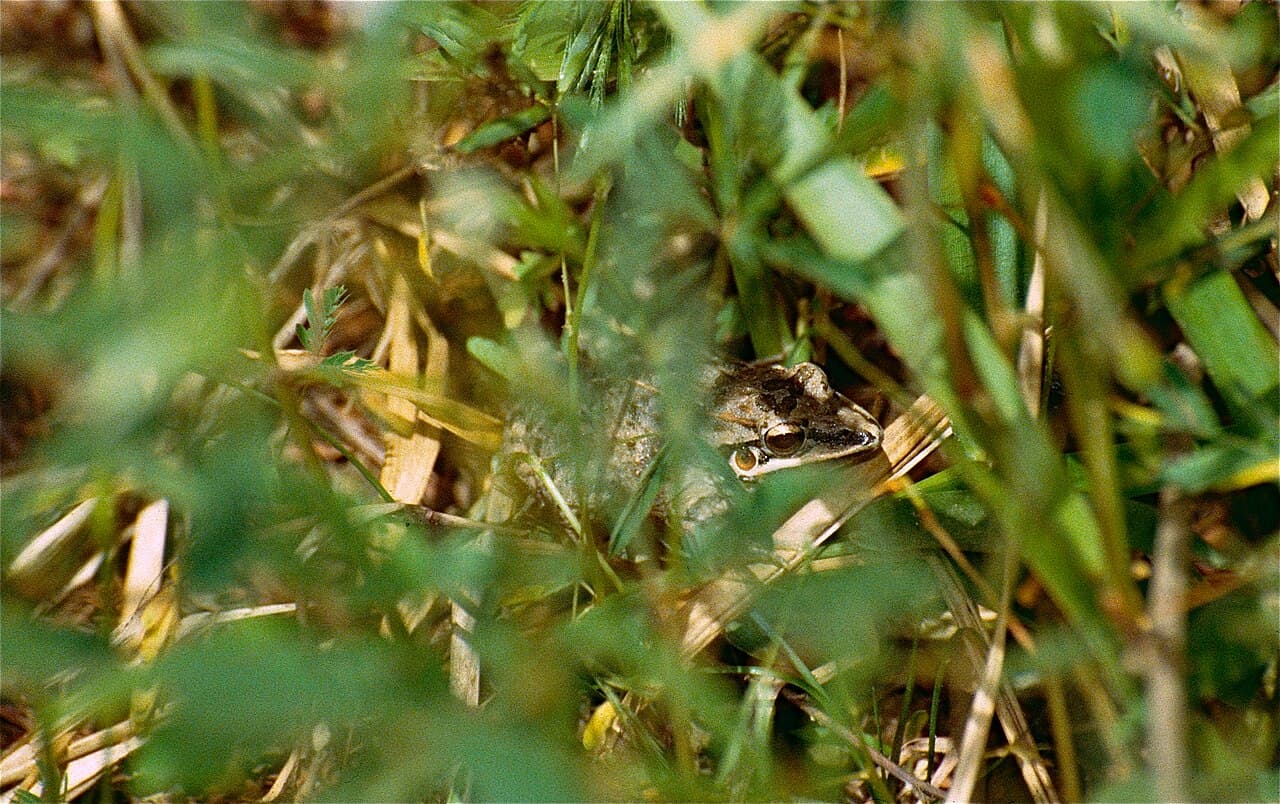
A moderately sized ground frog, brown to grey with darker markings and longitudinal ridges of raised skin (dorsolateral folds) running down the back, typical of the genus Leptodactylus. Adults reach around 4 to 5 cm, with a pointed snout and relatively long legs suited to hopping across open ground rather than climbing.
Ecology
Builds foam nests in burrows or shallow depressions in damp soil rather than laying eggs directly in water, whipping fluid secretions into a protective, moisture-retaining foam using the hind legs. Tadpoles develop within the burrow chamber and complete their development only once the nest floods with rain, connecting the burrow to open water; this strategy allows breeding to begin before standing water is even present. Common in open grassy and disturbed habitats where suitable burrowing soil is available.
In Trinidad and Tobago
Widespread and abundant in savanna, pasture, and garden habitat on both islands, especially vocal at the start of the rainy season when males call in loose choruses from burrow entrances to attract females before the ground floods.