Amphibian
Amphibian
Cane Toad (Crapaud)
Rhinella marina
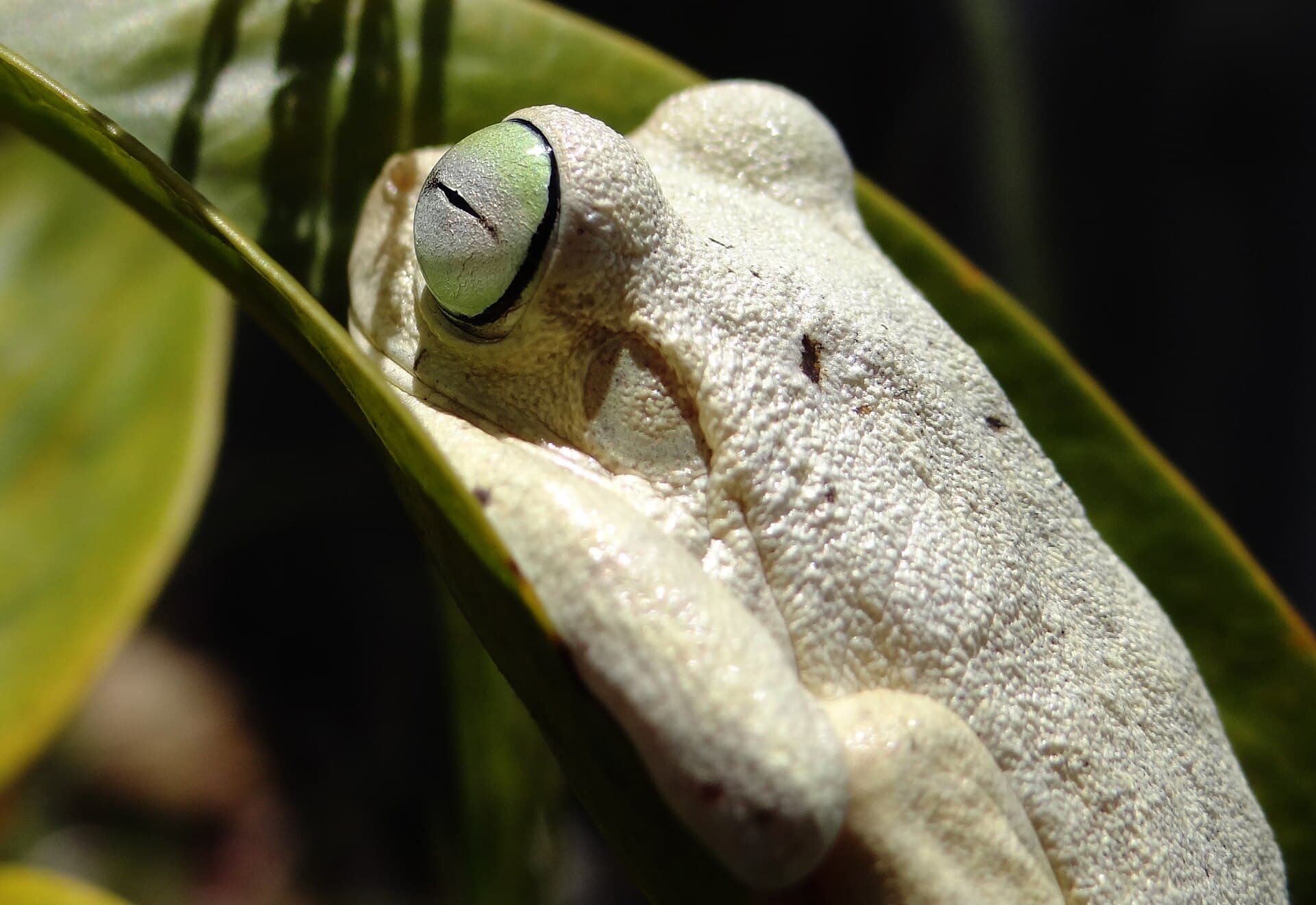
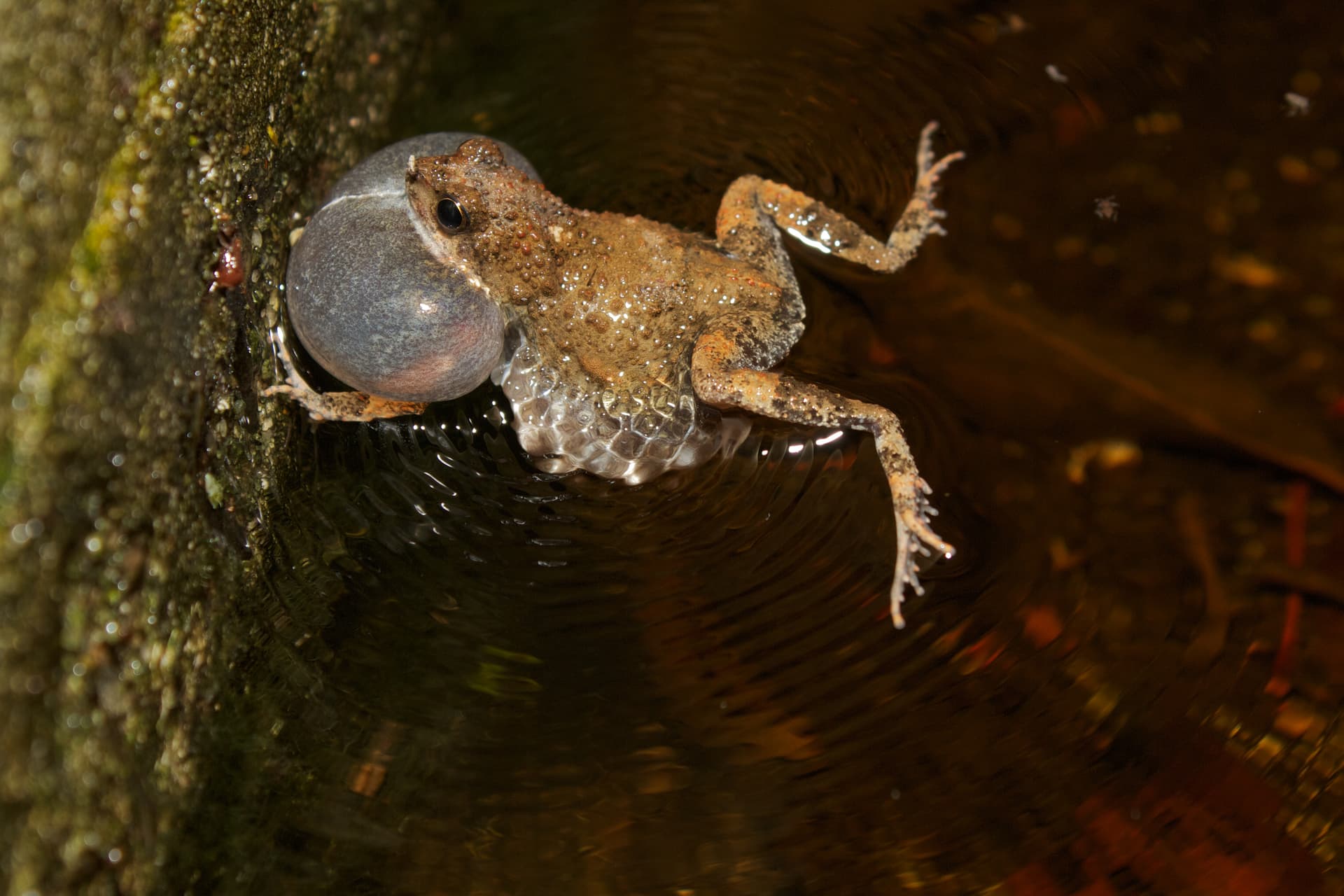
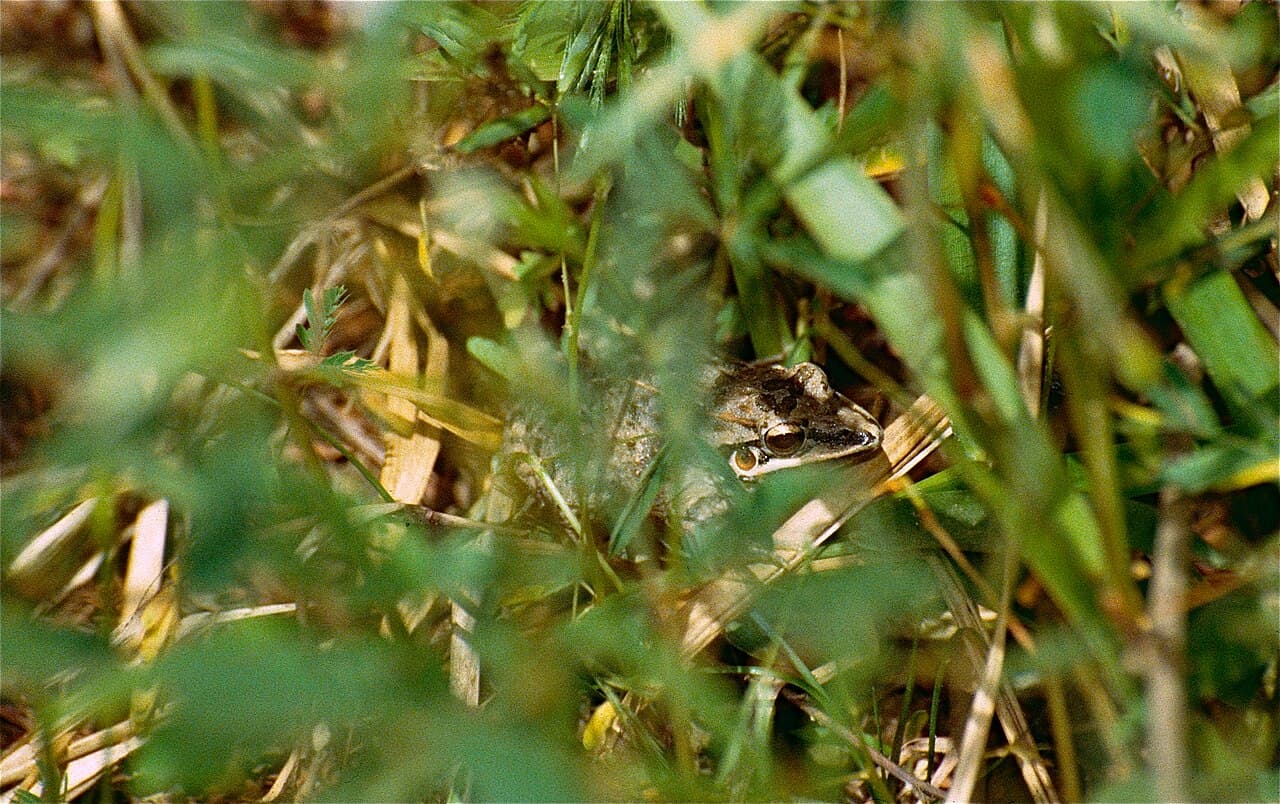
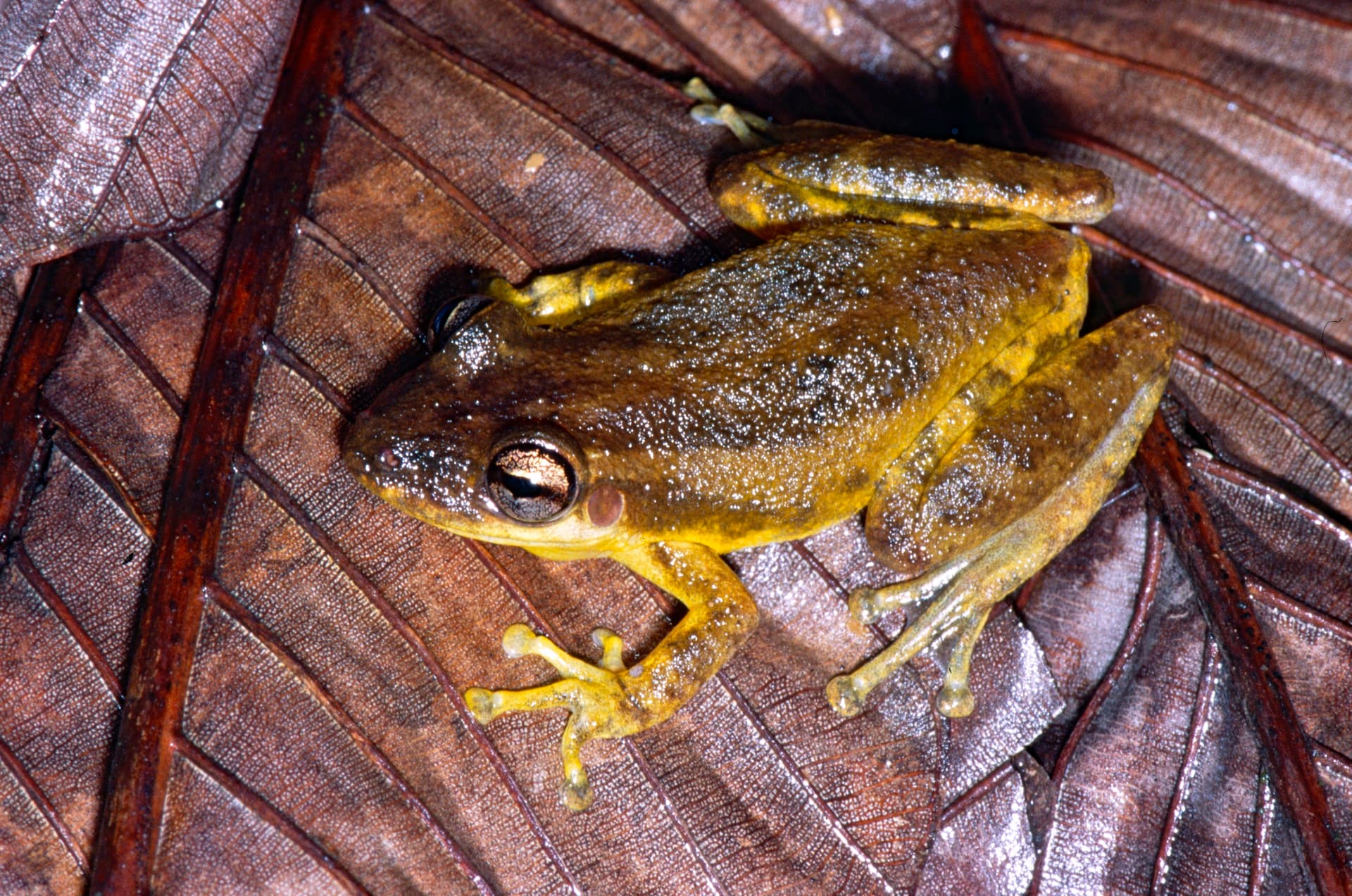
Known throughout Trinidad and Tobago as the crapaud, the Cane Toad is a large, warty, toxic-skinned amphibian and one of the most familiar creatures of gardens and roadsides at night.
Known throughout Trinidad and Tobago as the crapaud, the Cane Toad is a large, warty, toxic-skinned amphibian and one of the most familiar creatures of gardens and roadsides at night. Unlike the notorious invasive populations in Australia and the Pacific, it is native to Trinidad and part of the region's natural fauna, occupying its original ecological niche rather than disrupting one.
Identification
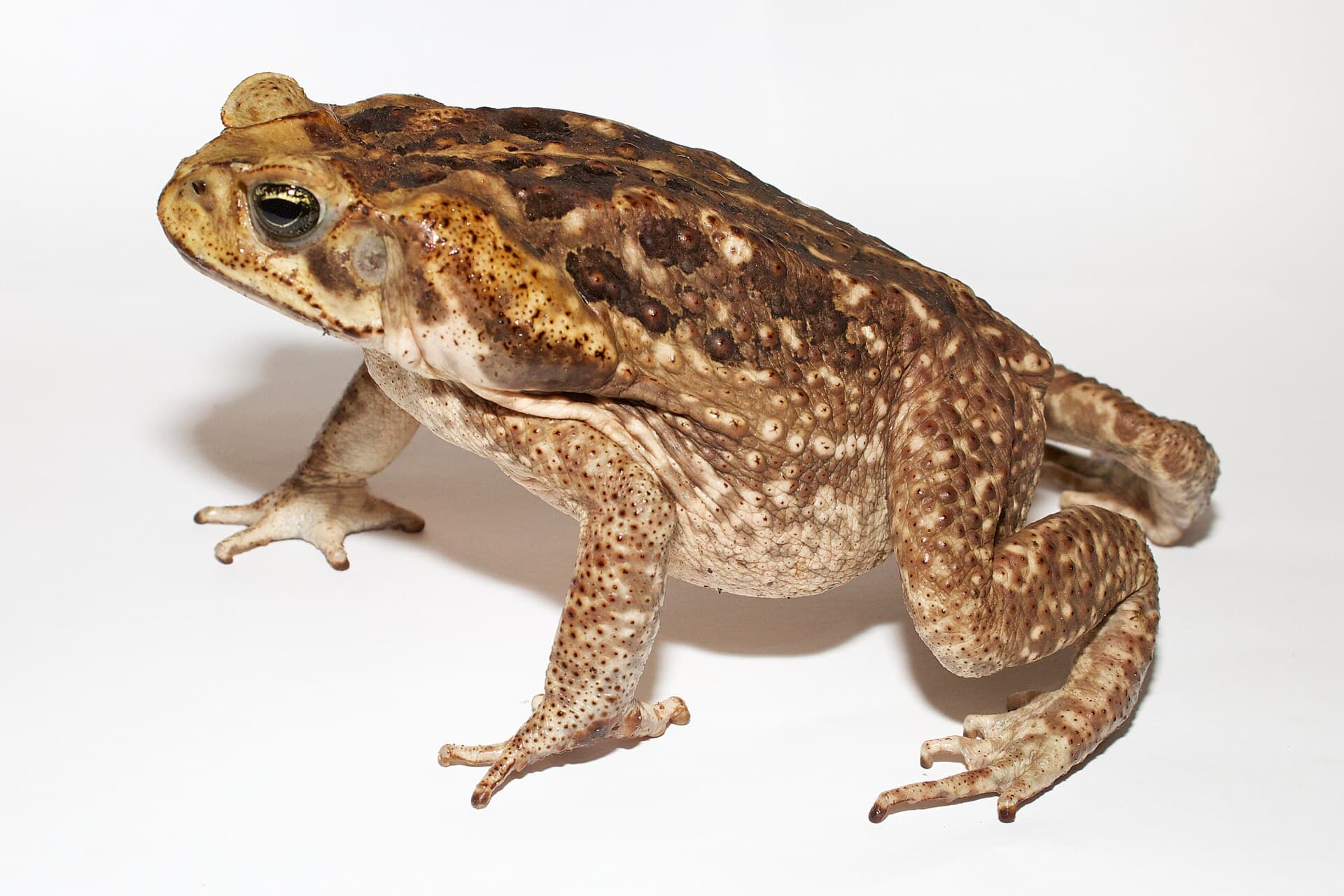
A large, heavily built toad with dry, warty brown to olive skin and prominent parotoid glands behind the eyes that secrete a thick, milky, toxic substance (bufotoxin) when the animal is threatened or bitten. Adults commonly reach 10 to 15 cm snout to vent, with large individuals, especially females, growing considerably bigger. The eyes have a distinctive horizontal, golden iris.
Ecology
Nocturnal and highly adaptable, found in gardens, forest edge, agricultural land, and disturbed ground, feeding opportunistically and voraciously on insects, other invertebrates, and occasionally small vertebrates that fit in its mouth. Its skin and parotoid gland toxin can seriously sicken or kill pets and would-be predators that bite or mouth it, a defence effective against a wide range of native and introduced predators alike. Breeding occurs in still or slow water, with females laying long strings of eggs containing many thousands of eggs.
In Trinidad and Tobago
Native and common on both islands, one of the most frequently encountered amphibians around homes at night, often seen foraging under porch lights for insects. Toxicity to dogs, which sometimes mouth or bite toads out of curiosity, is a well-known local hazard requiring prompt veterinary attention if it occurs. Because it is native here (unlike the same species' invasive status where introduced to Australia and various Pacific islands), it does not raise the same ecological alarm in T&T.