Amphibian
Amphibian
Tungara Frog
Engystomops pustulosus
The Tungara Frog is a small, warty-skinned frog whose distinctive "whine-chuck" call and habit of building floating foam nests make it one of the most recognisable and well-studied amphibians in Trinidad and Tobago.
The Tungara Frog is a small, warty-skinned frog whose distinctive "whine-chuck" call and habit of building floating foam nests make it one of the most recognisable and well-studied amphibians in Trinidad and Tobago.
Identification
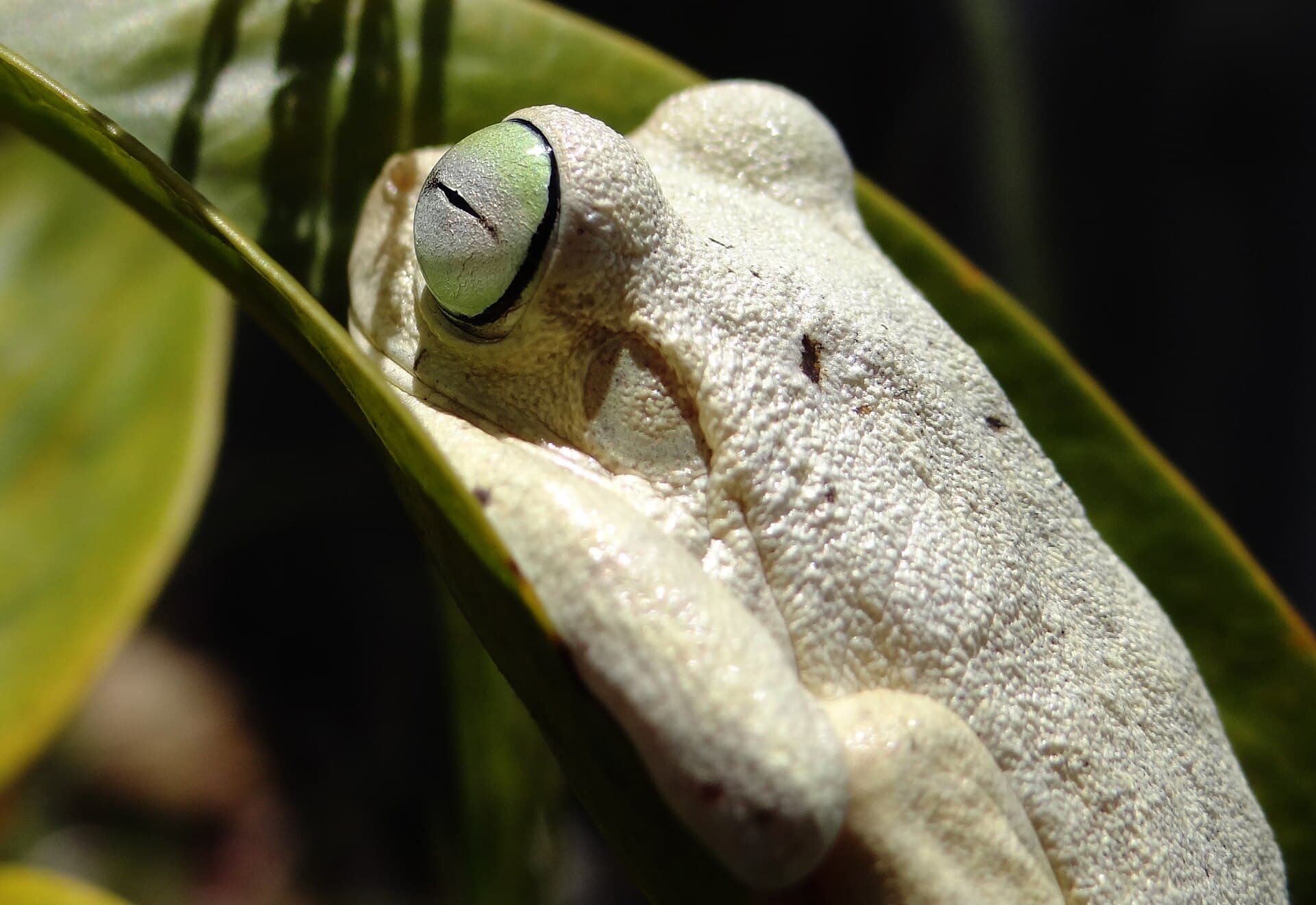
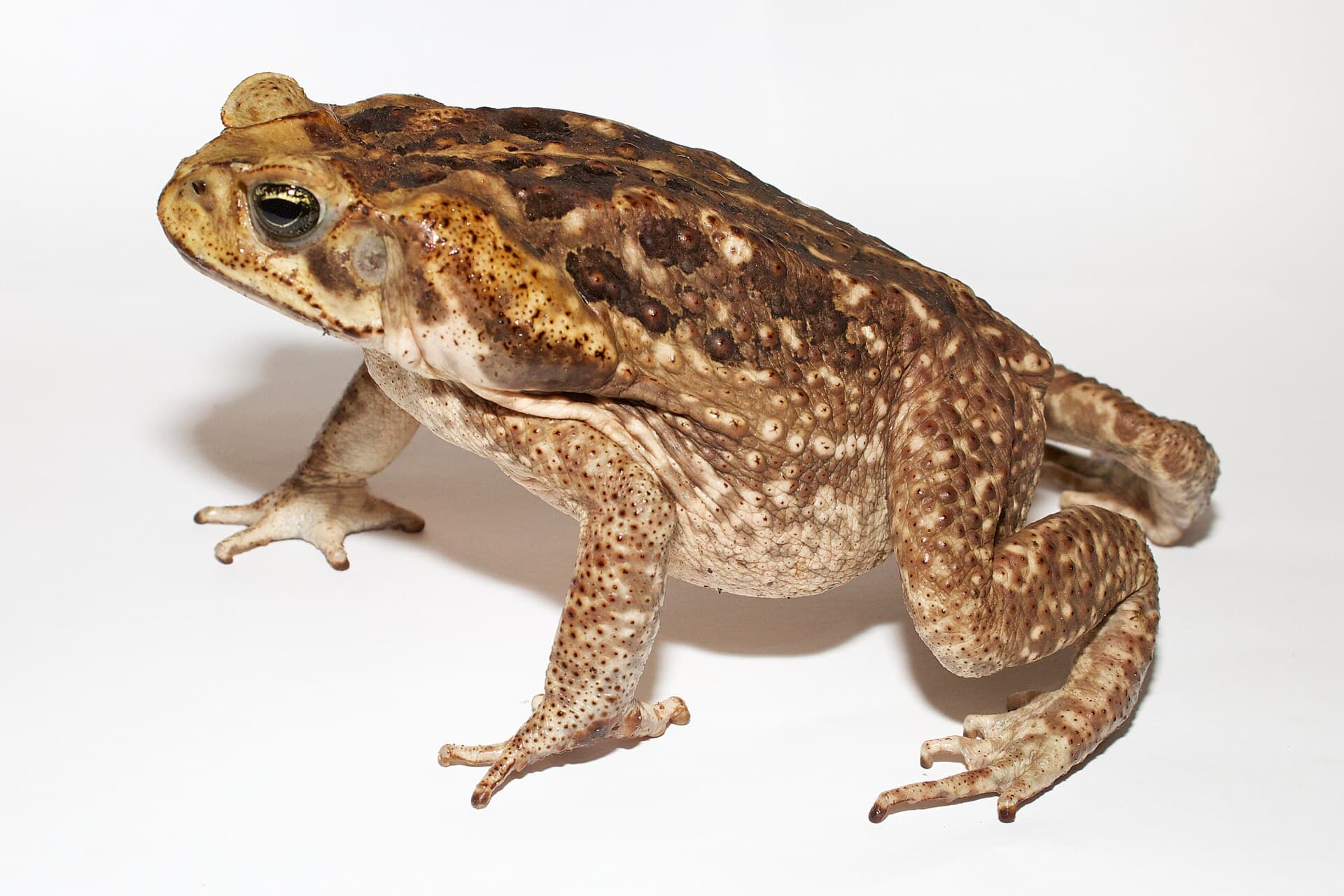
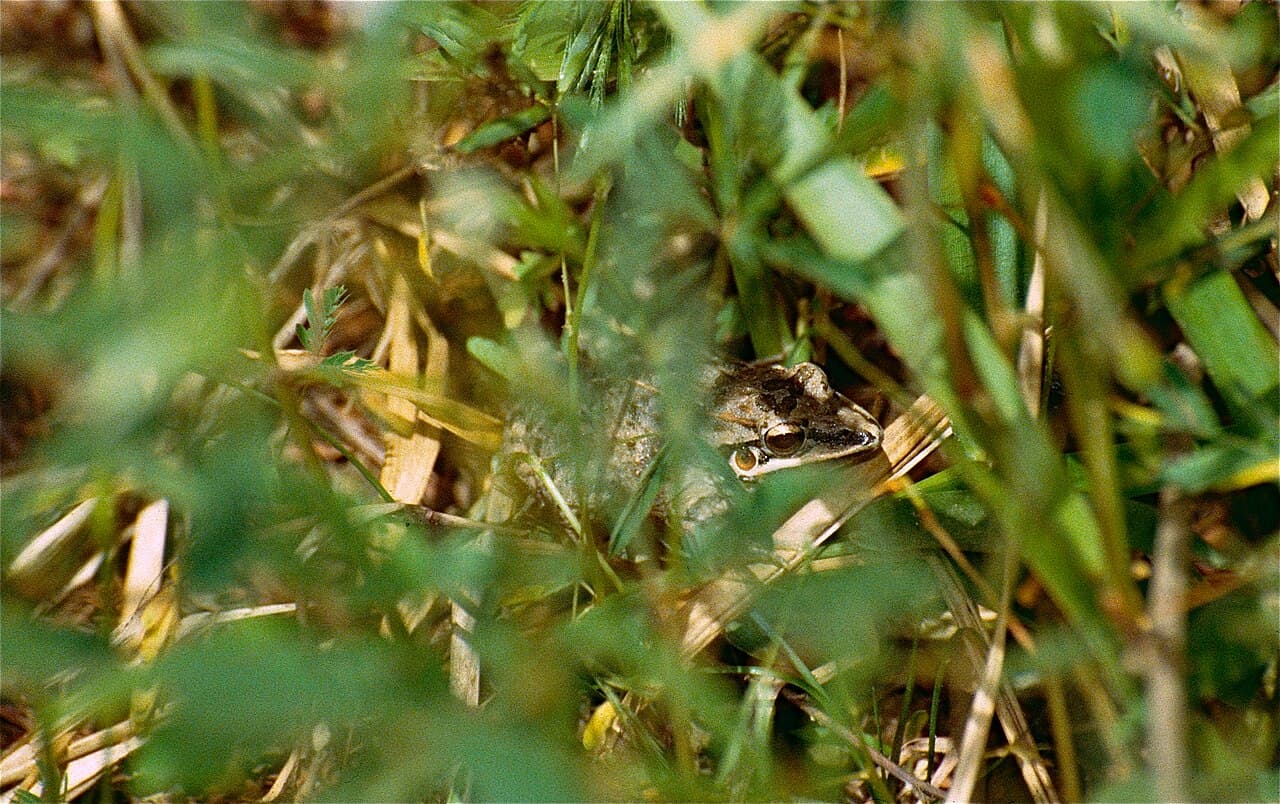
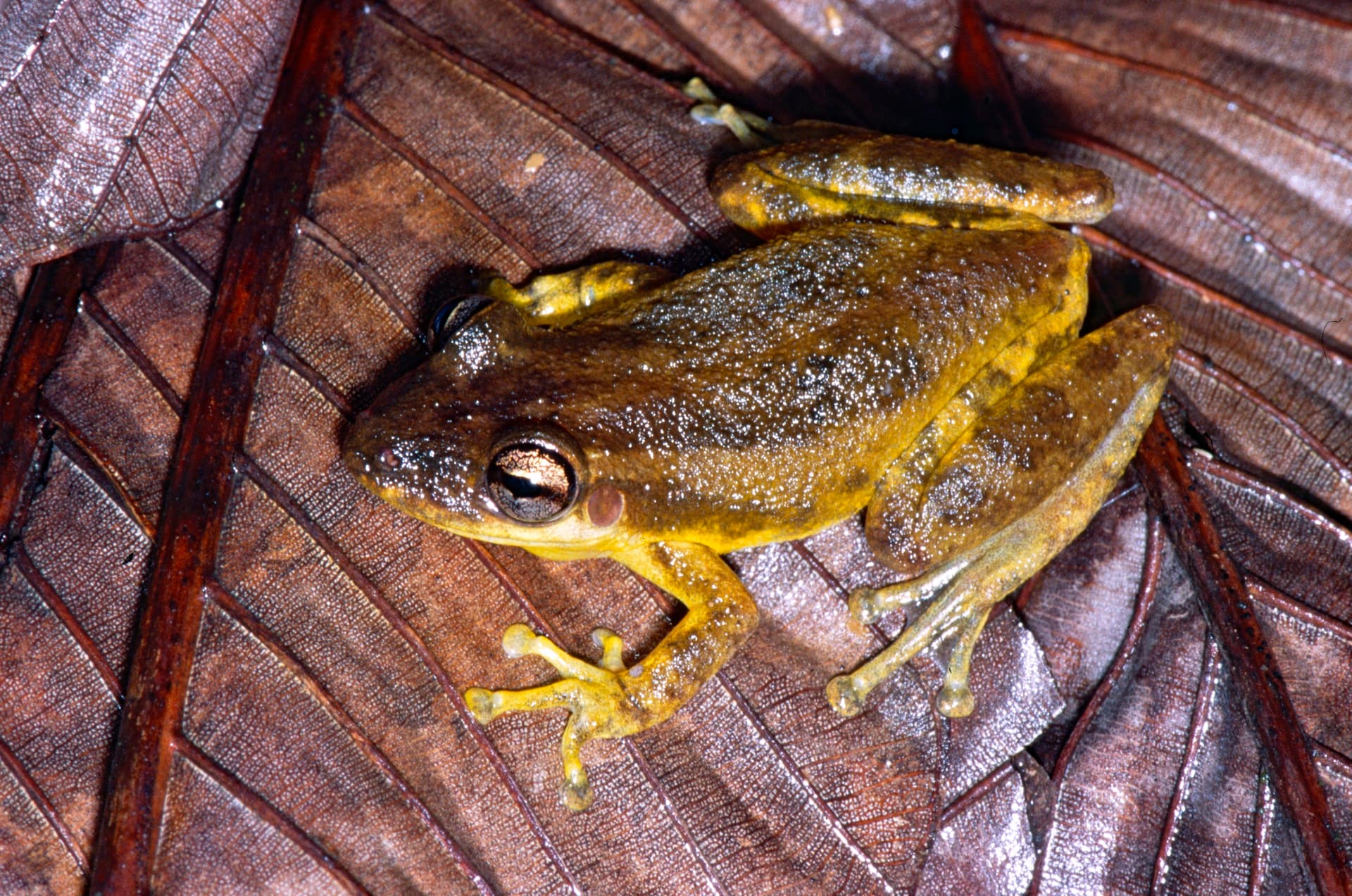
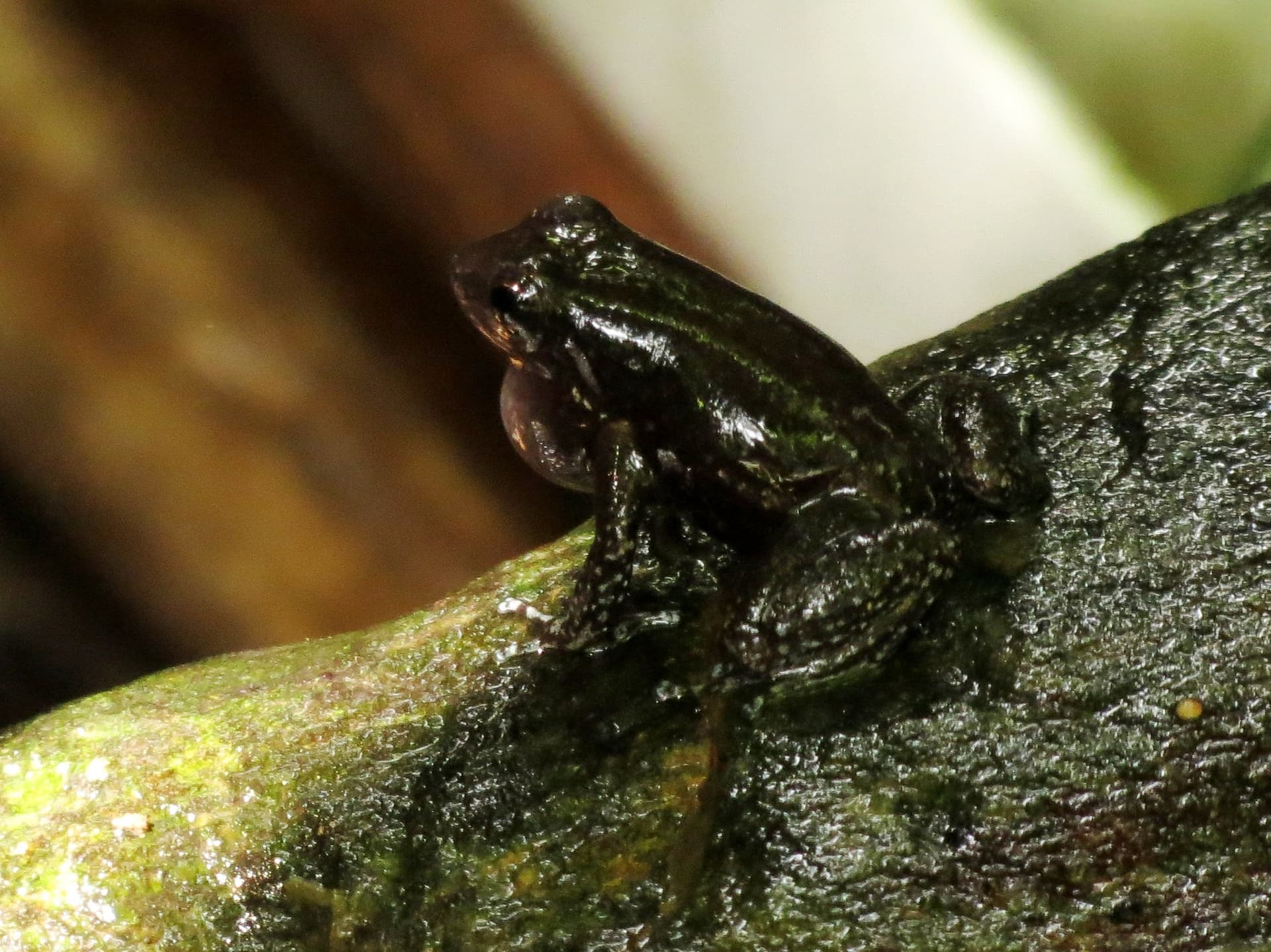
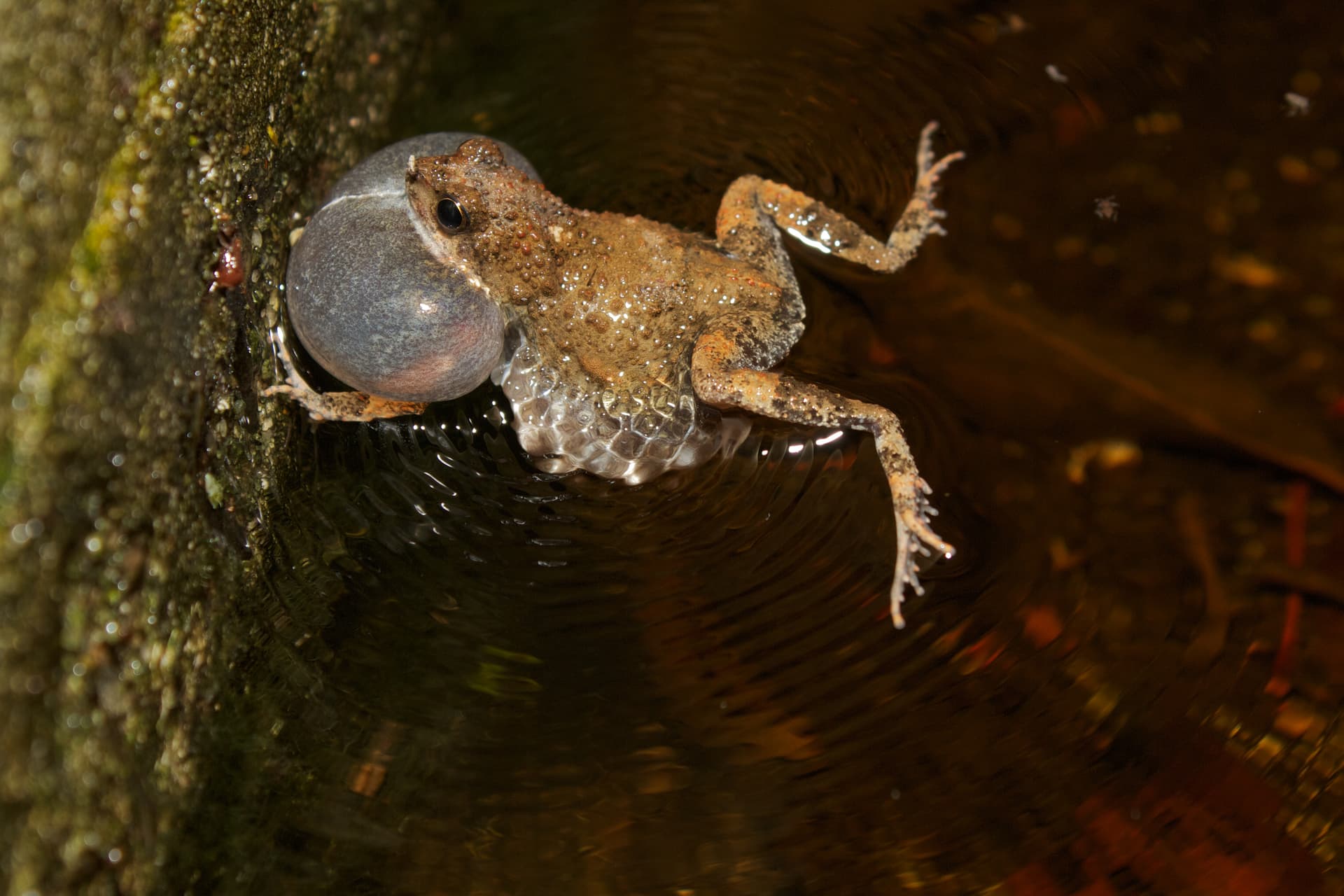
A small frog around 3 cm long, with mottled grey-brown, warty skin that provides excellent camouflage against leaf litter and mud. It has a rounded body and relatively short legs typical of ground-dwelling frogs, and is more often located by its distinctive call than identified visually.
Behaviour
Males call from the edges of temporary pools and puddles with a complex "whine" followed by one or more "chuck" notes, a call intensively studied by scientists researching sexual selection and predator/parasite eavesdropping on mating signals. After mating, the female whips her egg-laying secretion into a floating foam nest with her hind legs, protecting the eggs from predators and desiccation until they hatch into free-swimming tadpoles.
Status in T&T
Common and widespread across both Trinidad and Tobago in almost any habitat with temporary or permanent standing water, including gardens, roadside ditches, and forest pools. Not threatened, and one of the most frequently heard frogs on both islands after rain. It is protected as native wildlife under the Conservation of Wildlife Act.