Bird
Bird
Wattled Jacana
Jacana jacana
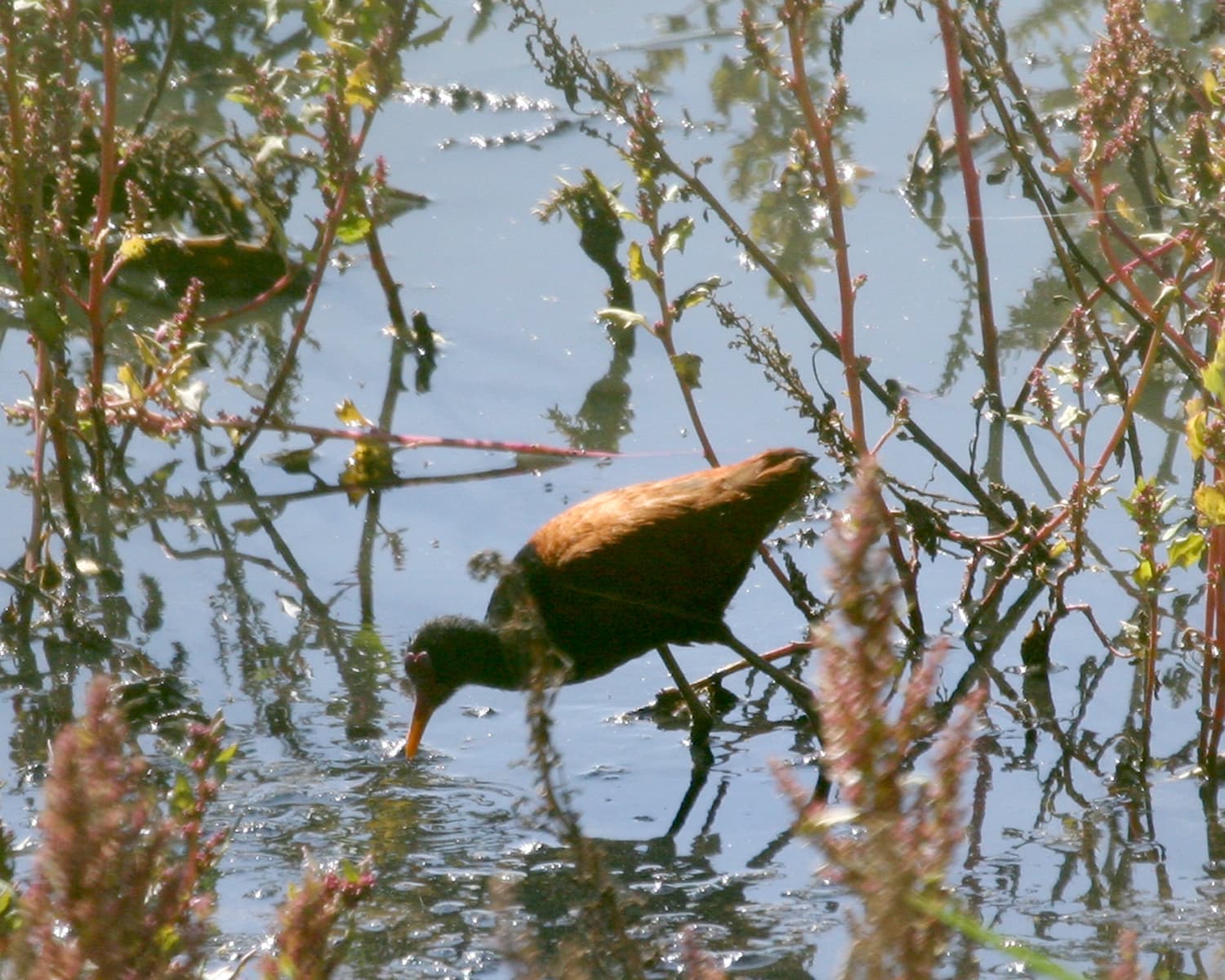
The Wattled Jacana is the characteristic waterbird of Trinidad's freshwater wetlands, instantly recognisable by its chestnut-and-black plumage, vivid red-and-yellow facial wattles, and the extraordinary long toes that allow it to walk across floating lily pads and aquatic vegetation with effortless ease.
The Wattled Jacana is the characteristic waterbird of Trinidad's freshwater wetlands, instantly recognisable by its chestnut-and-black plumage, vivid red-and-yellow facial wattles, and the extraordinary long toes that allow it to walk across floating lily pads and aquatic vegetation with effortless ease. A common and conspicuous resident of marshes, ponds, drainage channels, and rice fields across Trinidad, the jacana is also notable for one of the most unusual breeding systems in the bird world: a female-dominant, polyandrous society where males incubate eggs and raise chicks alone.
Identification
The Wattled Jacana measures 17 to 25 cm, with females larger than males. Adults have rich chestnut upperparts, black head, neck, and breast, and striking bare facial skin that is red at the base of the bill with yellow wattles and a yellow frontal shield. The wings are yellow-green, visible in flight as a broad pale panel. The feet are extraordinary: enormously elongated toes with long, straight claws spread the bird's weight over floating vegetation. Juveniles are brown above with white underparts and a pale supercilium.
Ecology and Breeding
Wattled Jacanas feed on aquatic insects, small crustaceans, seeds, and plant material gleaned from the surface of floating vegetation and shallow water. They walk across lily pads and other floating plants with complete confidence, probing and picking as they go. The species has a polyandrous breeding system: a dominant female holds a territory containing several males, each of which tends a separate nest, incubates a clutch of four eggs, and raises chicks alone. The female defends the overall territory aggressively against rival females. Chicks are precocial and are tucked under the father's wings and carried when threatened, with only the legs dangling visibly - a famous sight in T&T wetlands.
Status in T&T
The Wattled Jacana is widespread and common in Trinidad in any freshwater habitat with floating vegetation, including the Caroni and Nariva swamps, rice fields, drainage canals, farm ponds, and roadside ditches. It is found on Tobago as well. The species is fully protected under the Conservation of Wild Life Act and is not a game species. Its dependence on freshwater wetlands makes it sensitive to drainage, pollution, and wetland conversion, though its tolerance of modified habitats gives it some resilience.
Threats
- Freshwater wetland drainage
- Agricultural chemical pollution
- Wetland conversion