Bird
Bird
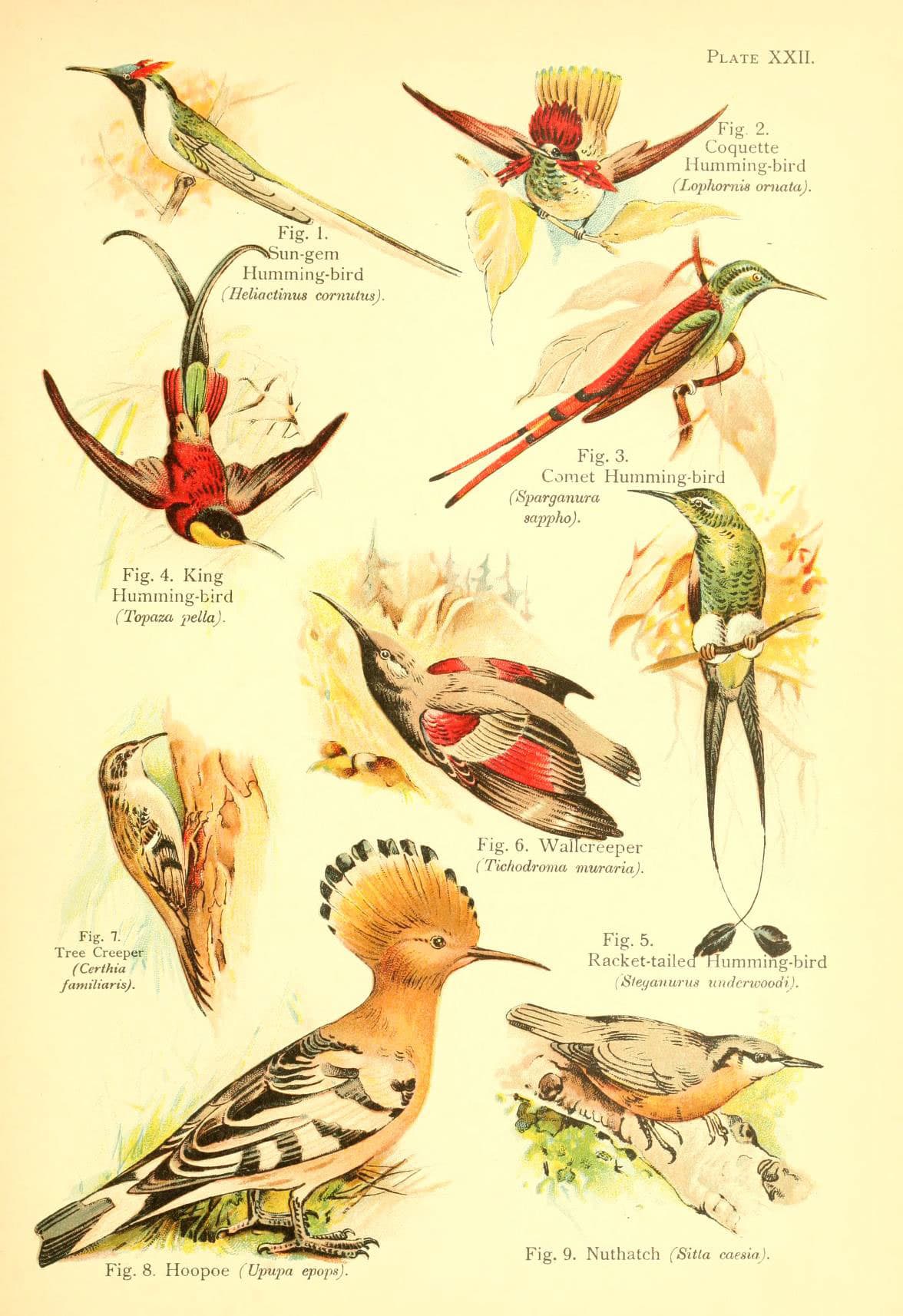
Tufted Coquette
Lophornis ornata
The Tufted Coquette is one of the smallest and most ornate hummingbirds in the world and a prized sighting for birdwatchers visiting Trinidad.
The Tufted Coquette is one of the smallest and most ornate hummingbirds in the world and a prized sighting for birdwatchers visiting Trinidad. The male carries an extravagant rufous crest, brilliant green-spotted rufous neck tufts, and a white rump band, giving it an appearance quite unlike any other hummingbird in T&T. Found primarily on Trinidad rather than Tobago, it frequents forest edges, gardens, and flowering scrub and is most reliably seen where introduced ornamental plants such as poinsettia are in bloom. Its tiny size means it is easily overlooked until it hovers at close range.
Identification
The Tufted Coquette is one of the world's smallest hummingbirds at just 6.5 to 7 cm. The male is extraordinary: a bright rufous crest, a white rump band, brilliant iridescent green throat, and elongated rufous neck tufts spotted with iridescent green that fan outward in display. The upperparts are green. The female lacks all ornamental features: she is green above, pale spotted green-buff below, with a rufous forehead and white rump. The tiny size and fast hovering flight make both sexes easily confused with a large bumblebee at a distance.
Ecology
Tufted Coquettes feed on nectar from small-flowered plants including Hamelia, Heliconia, poinsettia, and many native shrubs. Their tiny size allows them to exploit small flowers inaccessible to larger hummingbirds. They also take minute insects and spiders. Like most coquettes they are not strongly territorial at flowers, often sharing nectar sources with other hummingbird species. The female builds a tiny cup nest decorated with lichen on a slender twig or leaf tip. Two eggs are laid and the female raises the chicks alone.
Status in T&T
The Tufted Coquette is found primarily on Trinidad in forest edges, gardens, and secondary scrub, particularly in the Northern Range foothills and at garden locations where flowering ornamentals are present. It is not reliably recorded from Tobago. The species is fully protected under the Conservation of Wild Life Act and is not a game species. Its small size and dependence on small-flowered plant communities make it somewhat sensitive to the replacement of native scrub with manicured lawns and large-flowered ornamentals.
Threats
- Loss of small-flowered native scrub to lawns and large-flowered ornamentals
- Pesticide use in gardens
- Nest predation by introduced species