Mammal
Mammal
Spectral Bat (False Vampire Bat)
Vampyrum spectrum
The Spectral Bat is the largest bat in the Americas and, despite its ominous name, is not a blood-feeder at all: it is a powerful carnivorous hunter that takes birds, rodents, and other bats on the wing or from perches deep in Trinidad's forests.
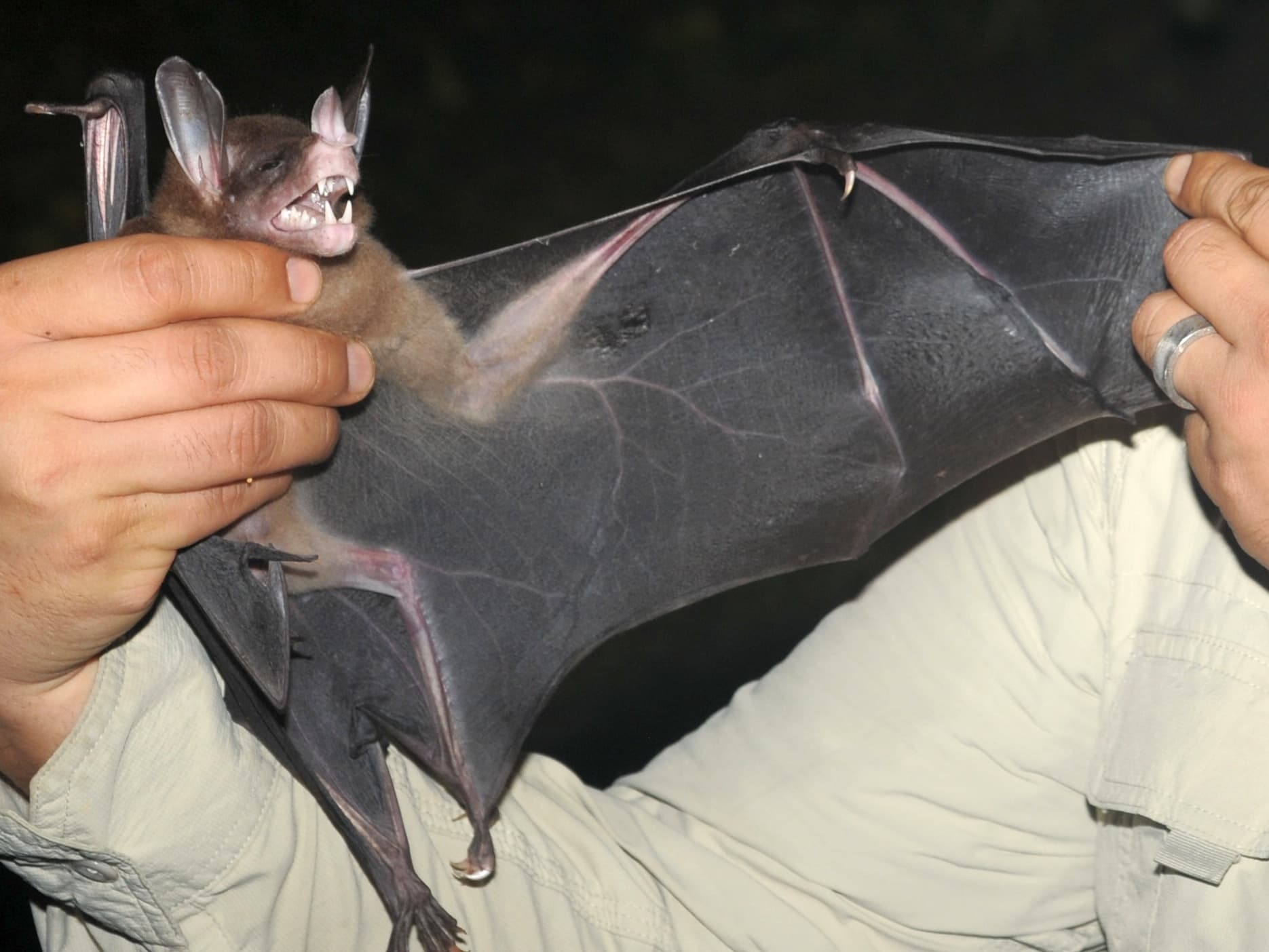
The Spectral Bat is the largest bat in the Americas and, despite its ominous name, is not a blood-feeder at all: it is a powerful carnivorous hunter that takes birds, rodents, and other bats on the wing or from perches deep in Trinidad's forests. Its wingspan can exceed one metre, and it lives in monogamous pairs that mate for life, a rarity among bats.
Identification
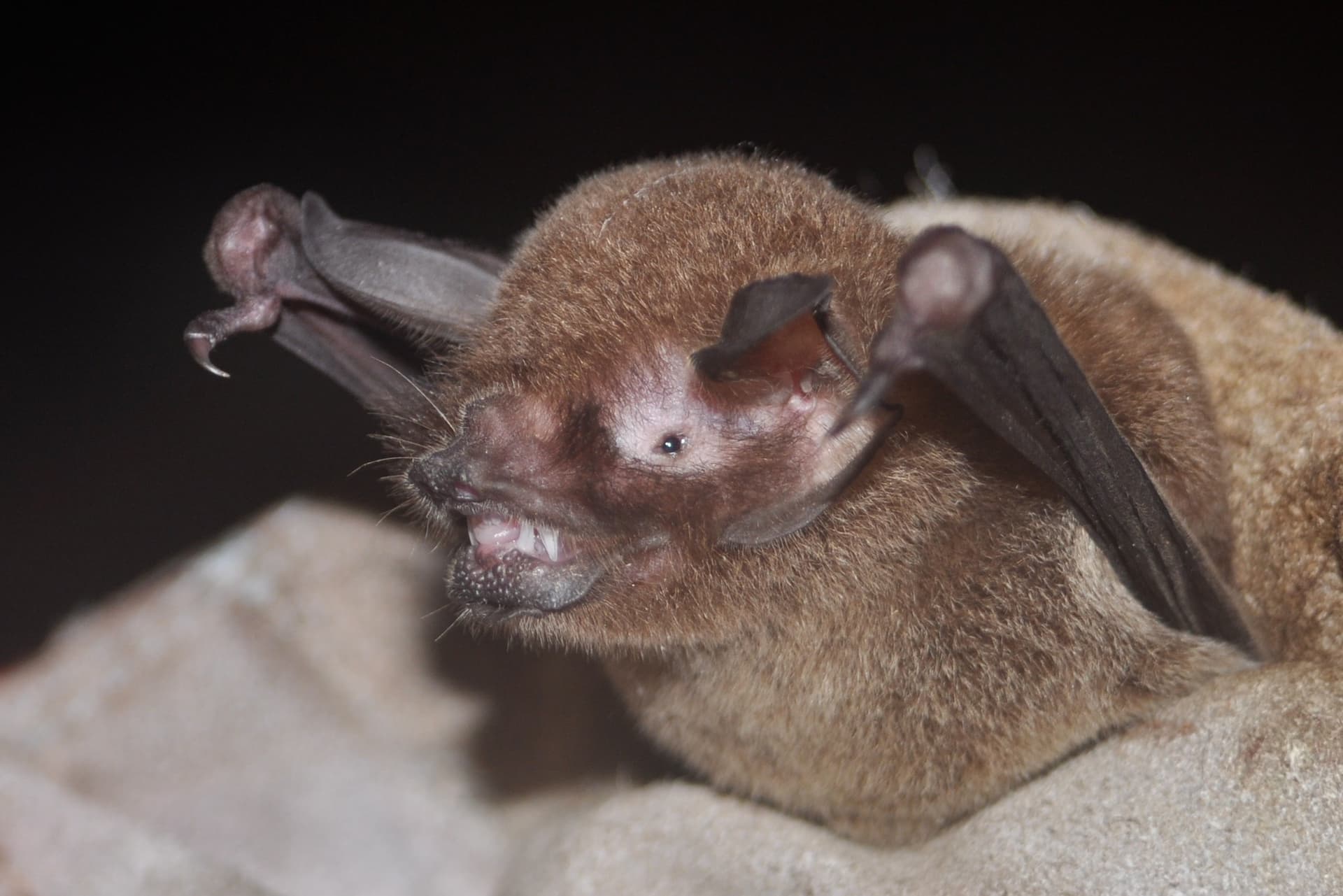
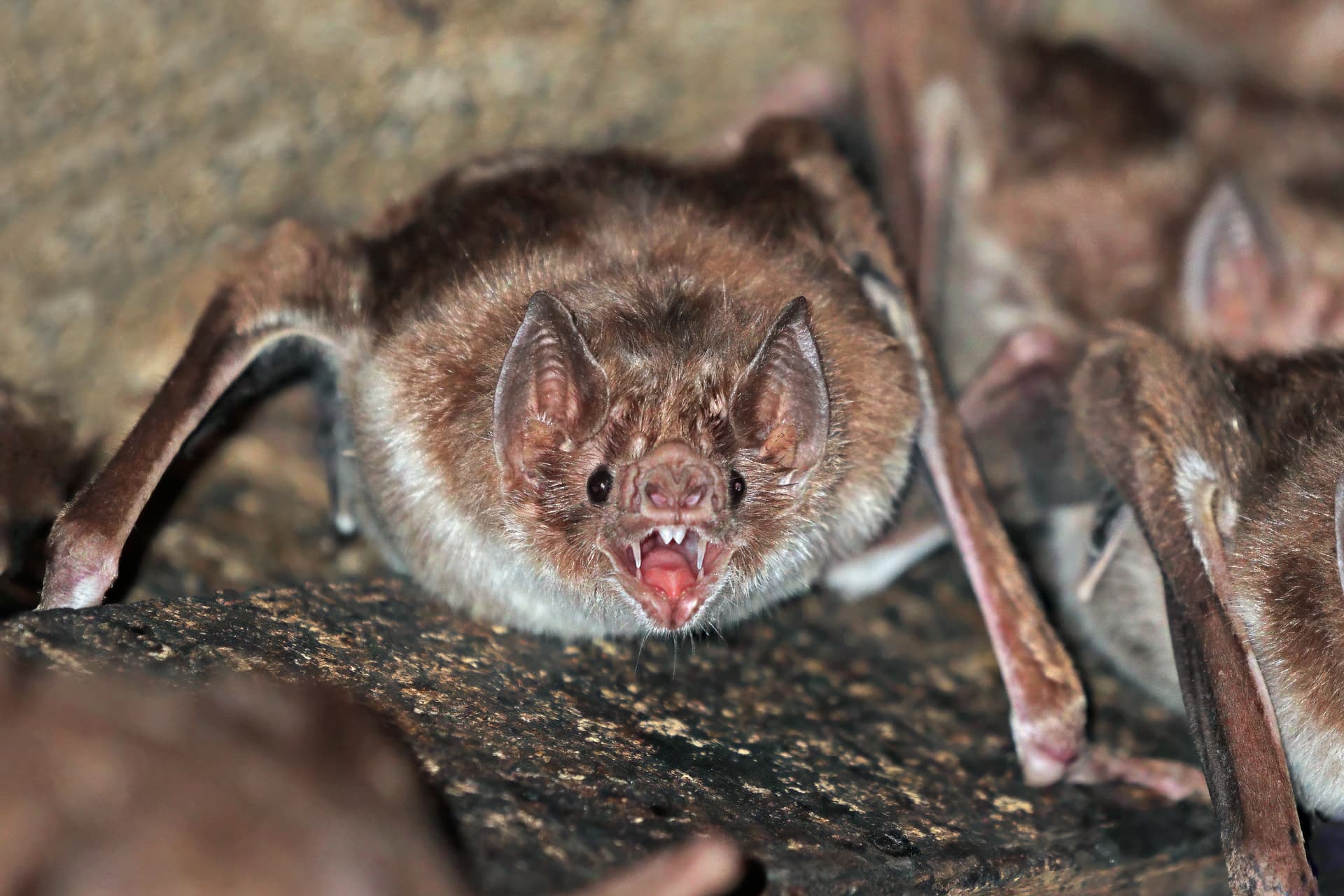
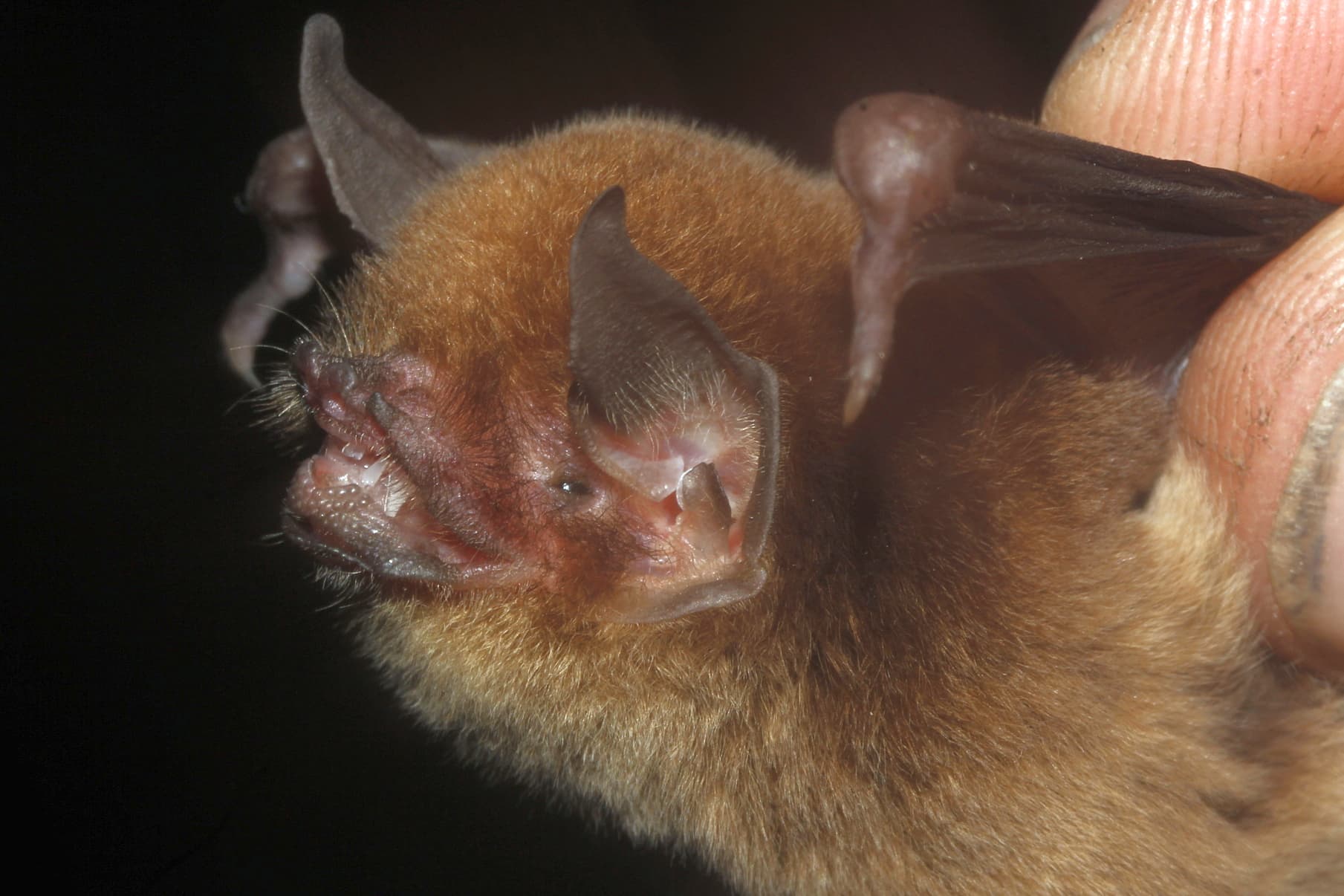
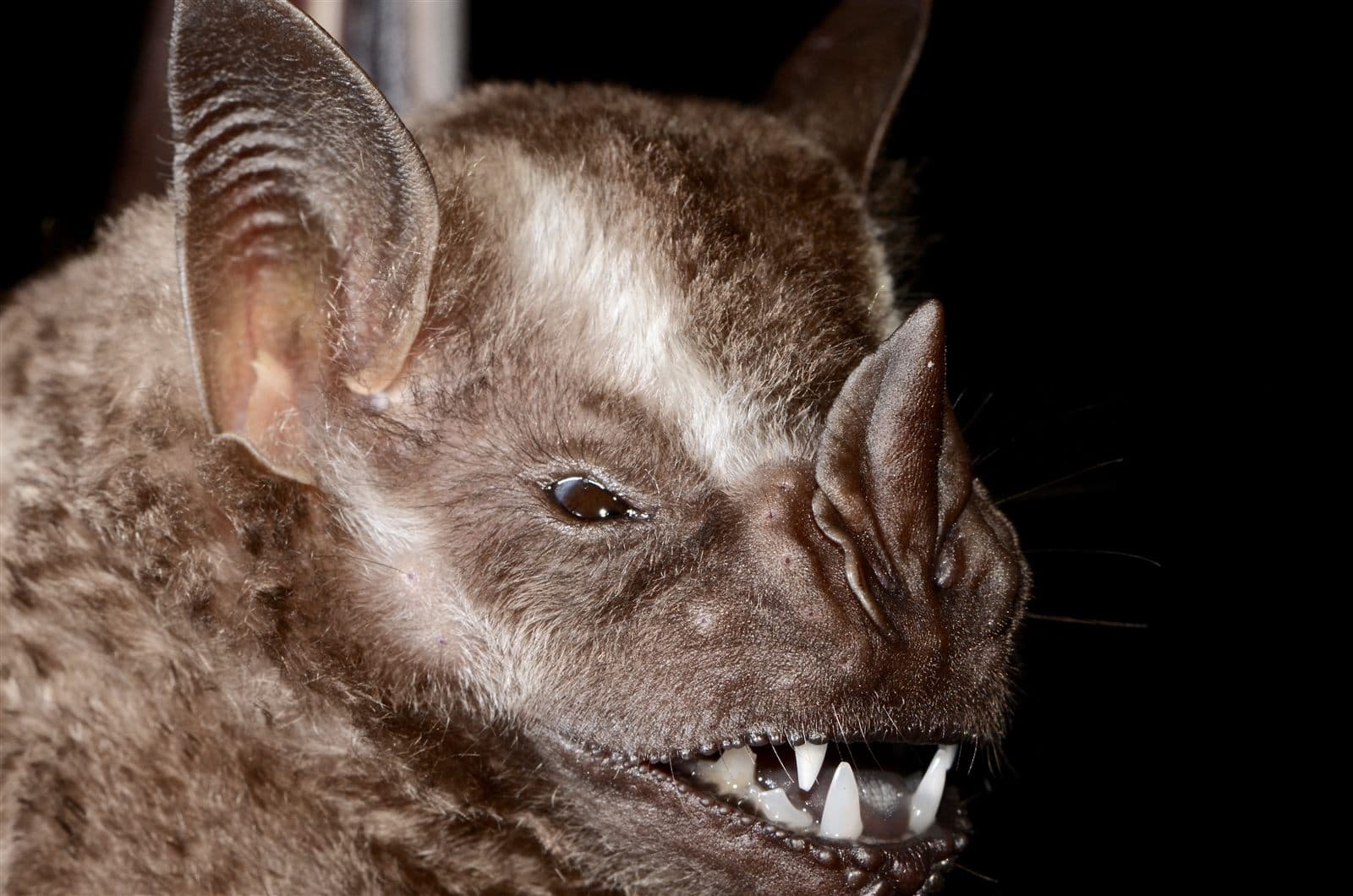
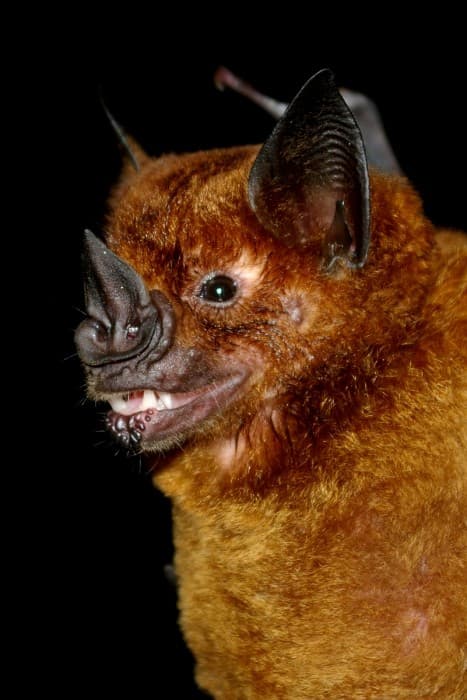
The largest bat species in the New World, with a wingspan reaching up to about 1 metre and a body length of 13 to 14 cm. Fur is reddish-brown to dark brown, and the face carries a prominent, erect, spear-shaped nose-leaf and large, rounded ears typical of true carnivorous hunting bats. Despite the name "False Vampire", it has no relation to blood-feeding bats; the name derives from its imposing size and fearsome appearance rather than its diet.
Ecology
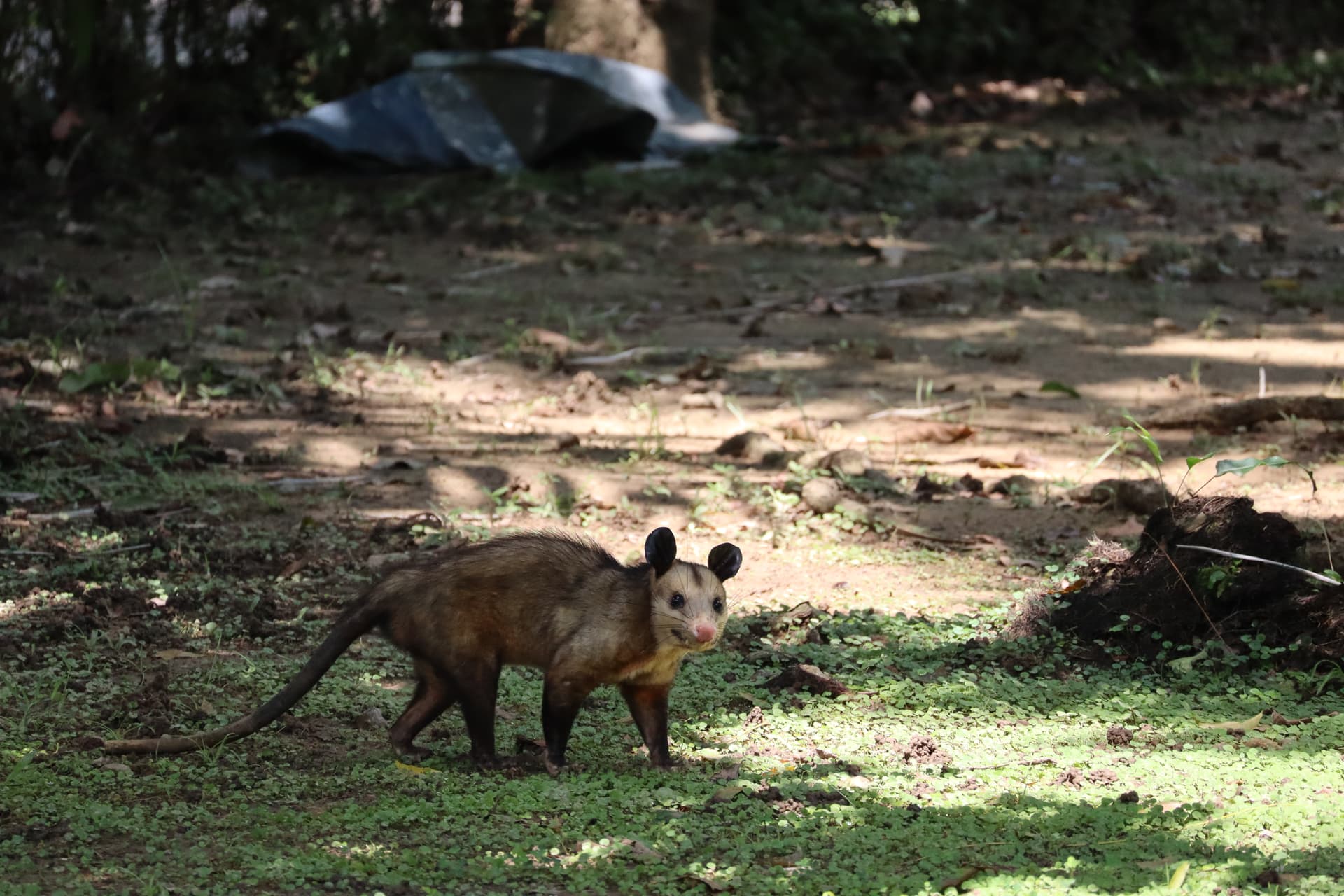
A specialised carnivore, the Spectral Bat hunts small vertebrates including birds, rodents, opossums, and other bat species, typically ambushing prey from a perch or capturing birds roosting at night, then carrying the kill back to a roost to consume. It roosts in small family groups, most notably in monogamous pairs that remain bonded for life and cooperatively raise a single pup per year, an unusual social structure among bats which are more commonly promiscuous or harem-based. Roosts are typically in large hollow trees deep within mature, undisturbed forest.
Status in T&T
The Spectral Bat is rare and reliant on large tracts of mature forest with big hollow trees suitable for roosting, making it sensitive to logging and forest fragmentation. Recorded in Trinidad's forested interior, it is considered globally Near Threatened owing to its naturally low population density and dependence on intact old-growth forest habitat. It is protected as native wildlife under the Conservation of Wildlife Act, and its presence is regarded as an indicator of high-quality, undisturbed forest.
Threats
- Loss of large hollow trees to logging
- Forest fragmentation reducing hunting range
- Naturally low population density and slow reproduction
- Public misconceptions leading to persecution due to "vampire" name