Mammal
Mammal
Seba's Short-tailed Fruit Bat
Carollia perspicillata
Seba's Short-tailed Fruit Bat is among the most abundant and ecologically important bats in Trinidad, a small, fast-flying fruit specialist that plays an outsized role in dispersing the seeds of pioneer plants that regenerate disturbed and secondary forest.
Seba's Short-tailed Fruit Bat is among the most abundant and ecologically important bats in Trinidad, a small, fast-flying fruit specialist that plays an outsized role in dispersing the seeds of pioneer plants that regenerate disturbed and secondary forest. Its habit of establishing regular feeding roosts under leaves makes it one of the more visible bats to attentive forest visitors.
Identification
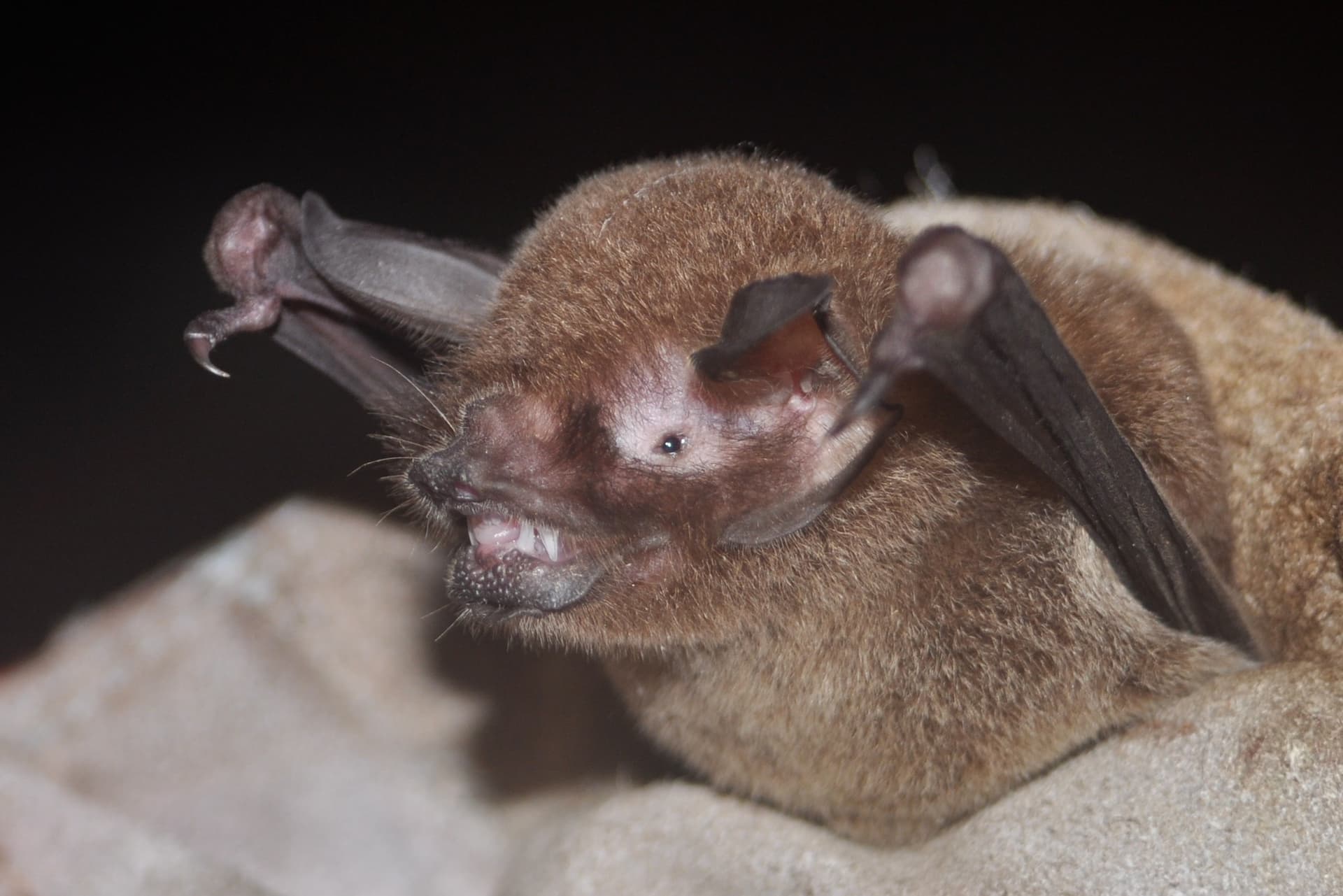
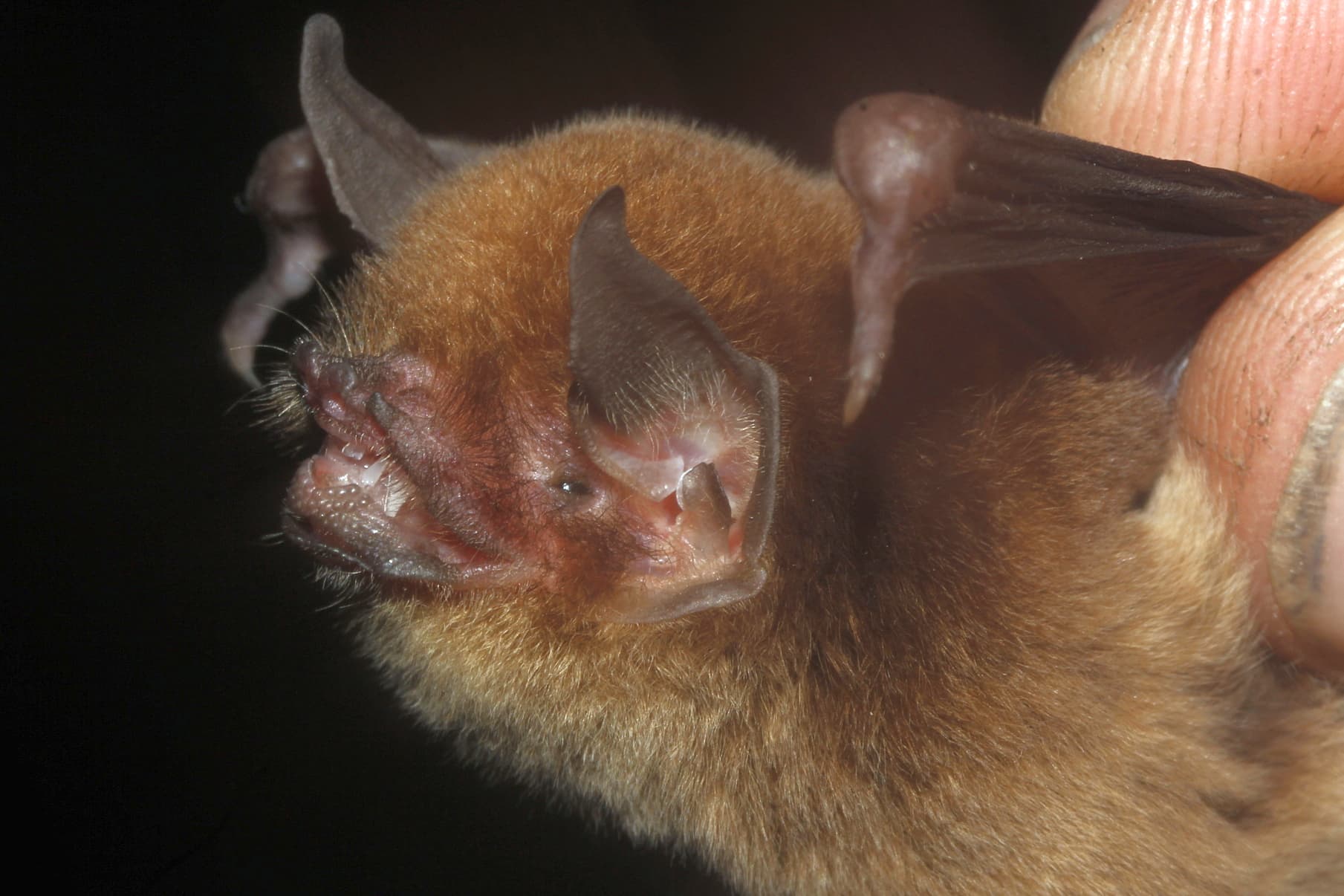
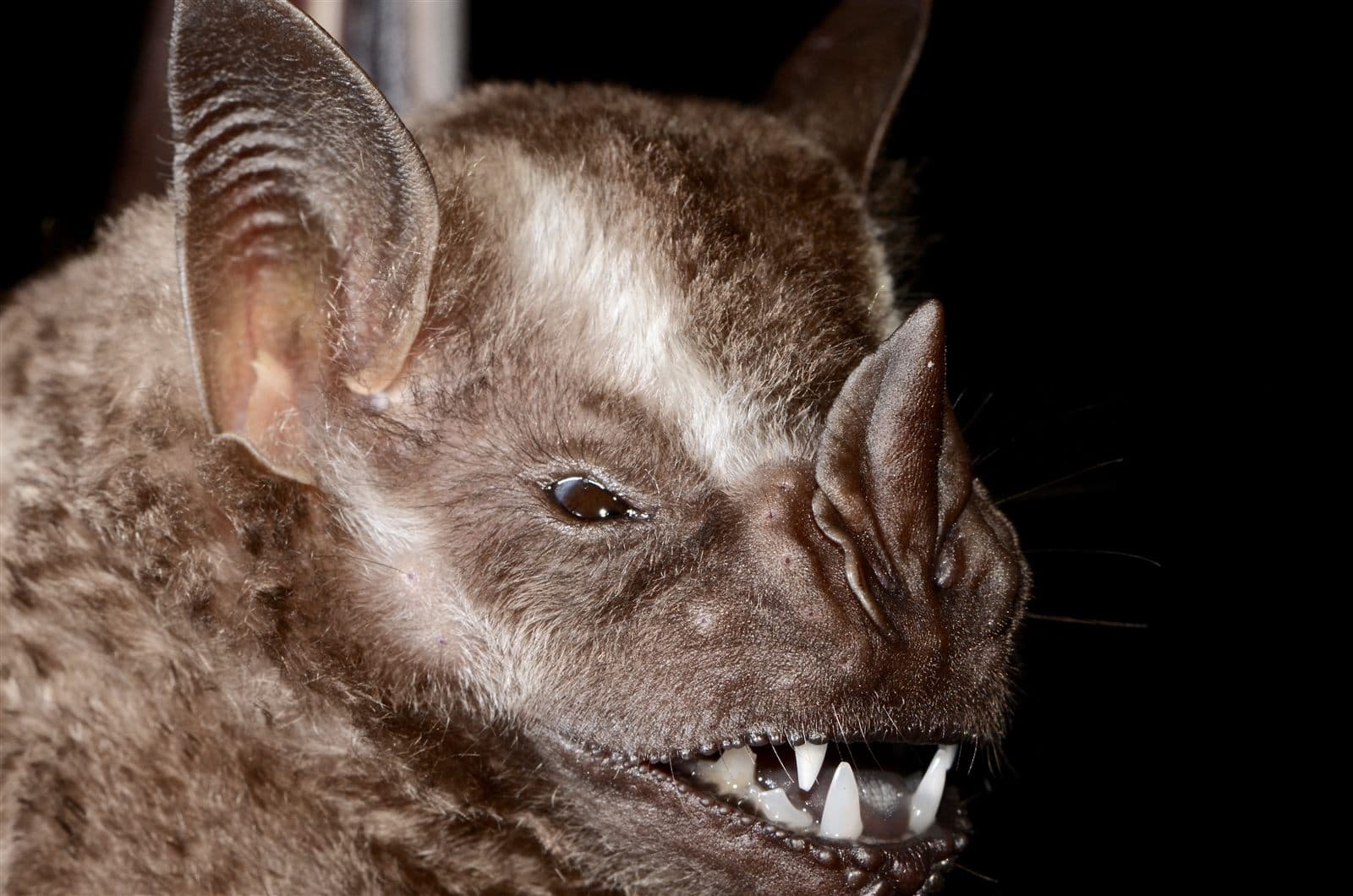
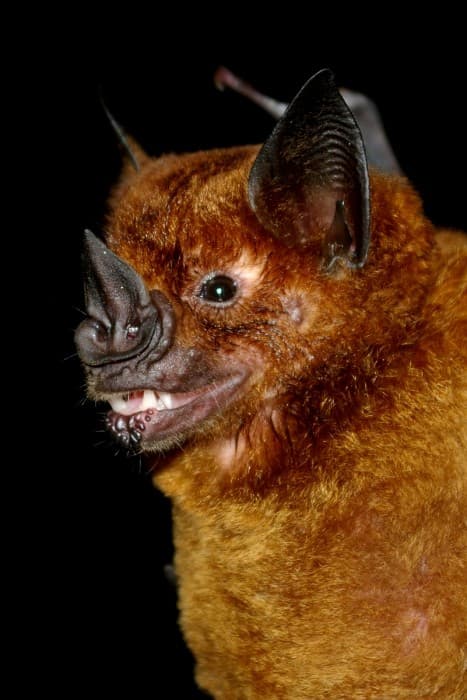
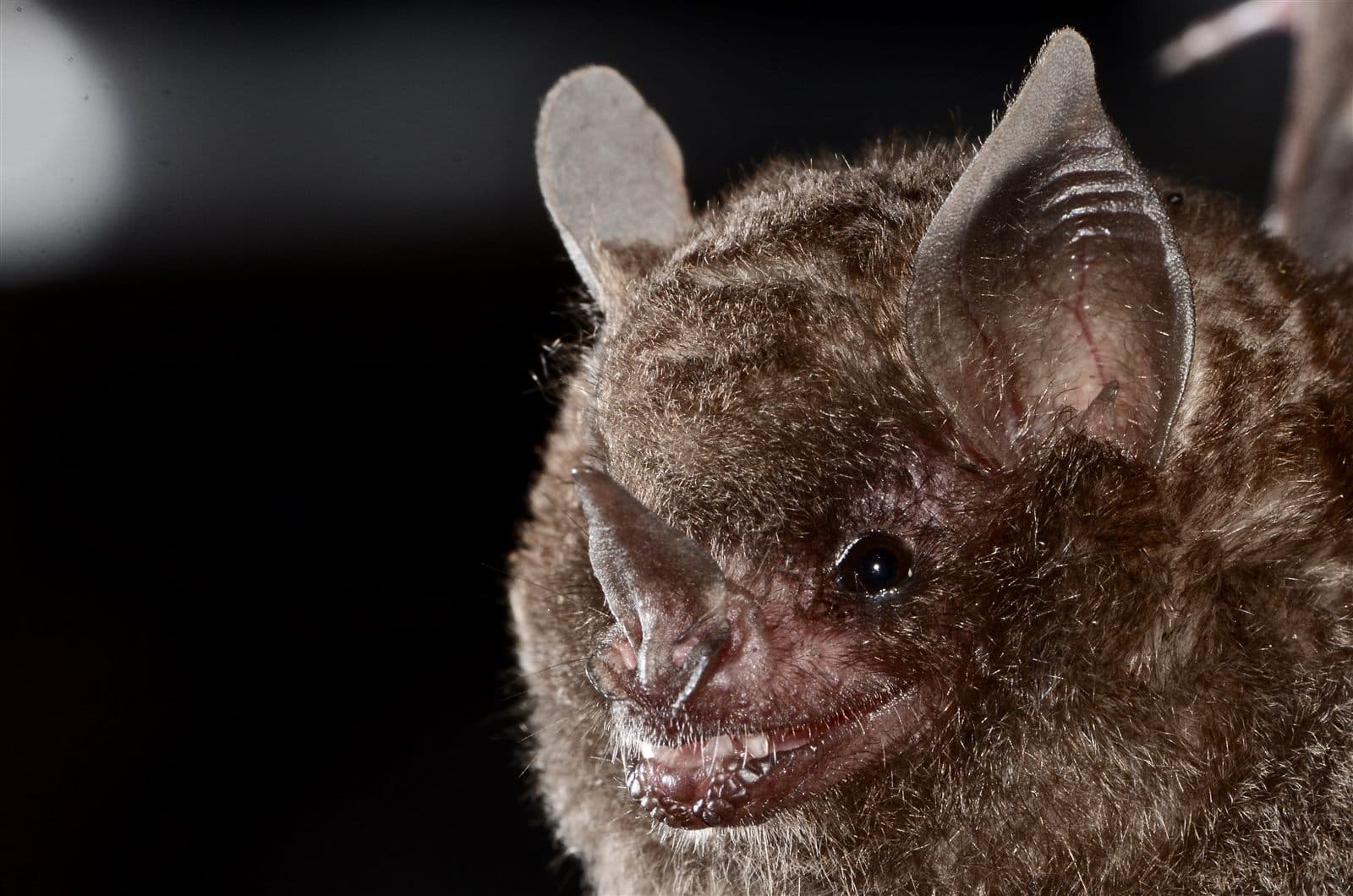
A small bat, with a body length of around 5 to 6 cm and a short tail, giving the species its common name. Fur is brown to greyish-brown, and the face has a short, simple spear-shaped nose-leaf and a distinctive fold of skin, or "chin-leaf", below the lower lip. It lacks the large ears and ornate facial features of some related leaf-nosed bats, giving it a comparatively plain, compact appearance suited to fast, agile flight through dense understorey.
Ecology
A specialist fruit-eater, particularly of pepper plants (Piper species) and figs, Seba's Short-tailed Fruit Bat forages by carrying fruit away from the parent plant to a temporary feeding perch, often under a large leaf, where it consumes the pulp and drops the seeds, making it one of the most important seed dispersers of early-successional forest plants in the Neotropics. This behaviour accelerates the regeneration of cleared or disturbed forest patches. Colonies roost in caves, hollow trees, and culverts, sometimes numbering in the hundreds, and the species is capable of very rapid reproduction, giving it high resilience compared to many other bats.
Status in T&T
One of the most commonly captured bats in Trinidad mist-net surveys, found in forest, forest edge, secondary growth, and agricultural land island-wide. It is not threatened and, owing to its role in regenerating cleared land, is considered ecologically beneficial to forest recovery following disturbance. It is protected as native wildlife under the Conservation of Wildlife Act.
Threats
- Cave and roost disturbance
- Widespread pesticide use affecting fruit availability
- Public misconceptions leading to persecution of bats generally