Mammal
Mammal
Pallas's Long-tongued Bat
Glossophaga soricina
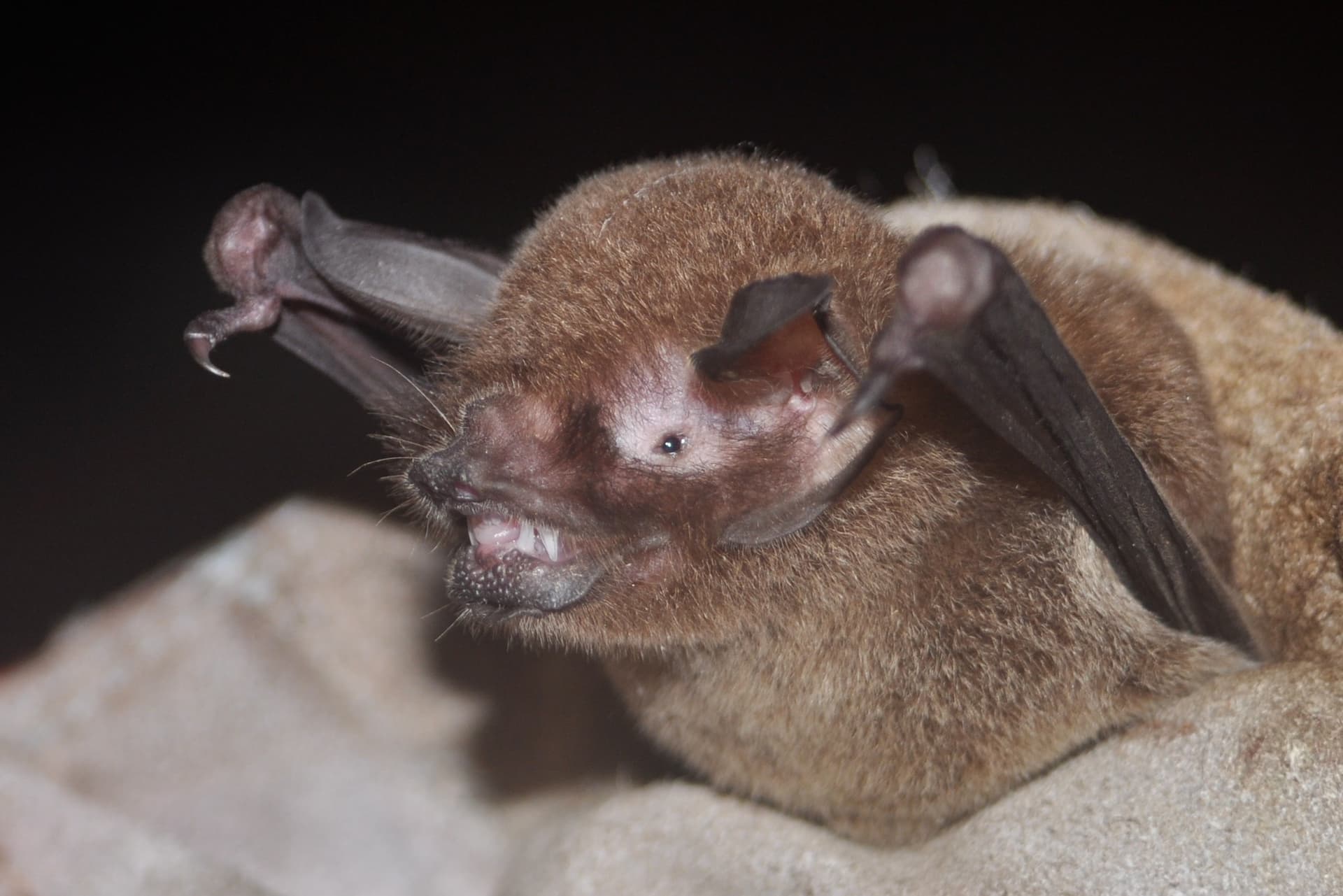
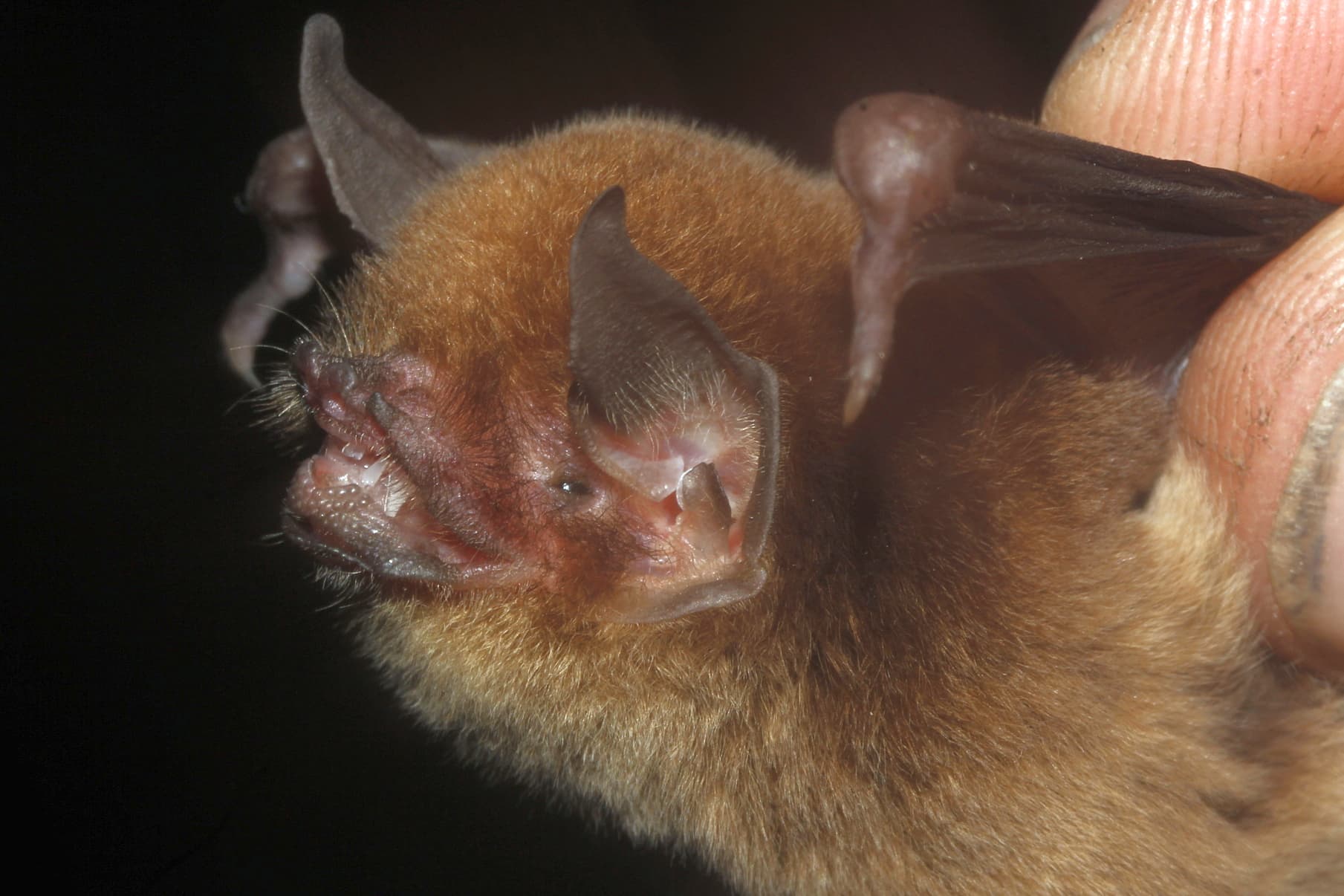
Pallas's Long-tongued Bat is a small nectar-feeding bat with an extraordinarily long, brush-tipped tongue that it uses to reach deep into tubular flowers.
Pallas's Long-tongued Bat is a small nectar-feeding bat with an extraordinarily long, brush-tipped tongue that it uses to reach deep into tubular flowers. As one of the Americas' most important bat pollinators, it plays a quiet but essential role in fertilising a wide range of plants across Trinidad's forests and gardens.
Identification
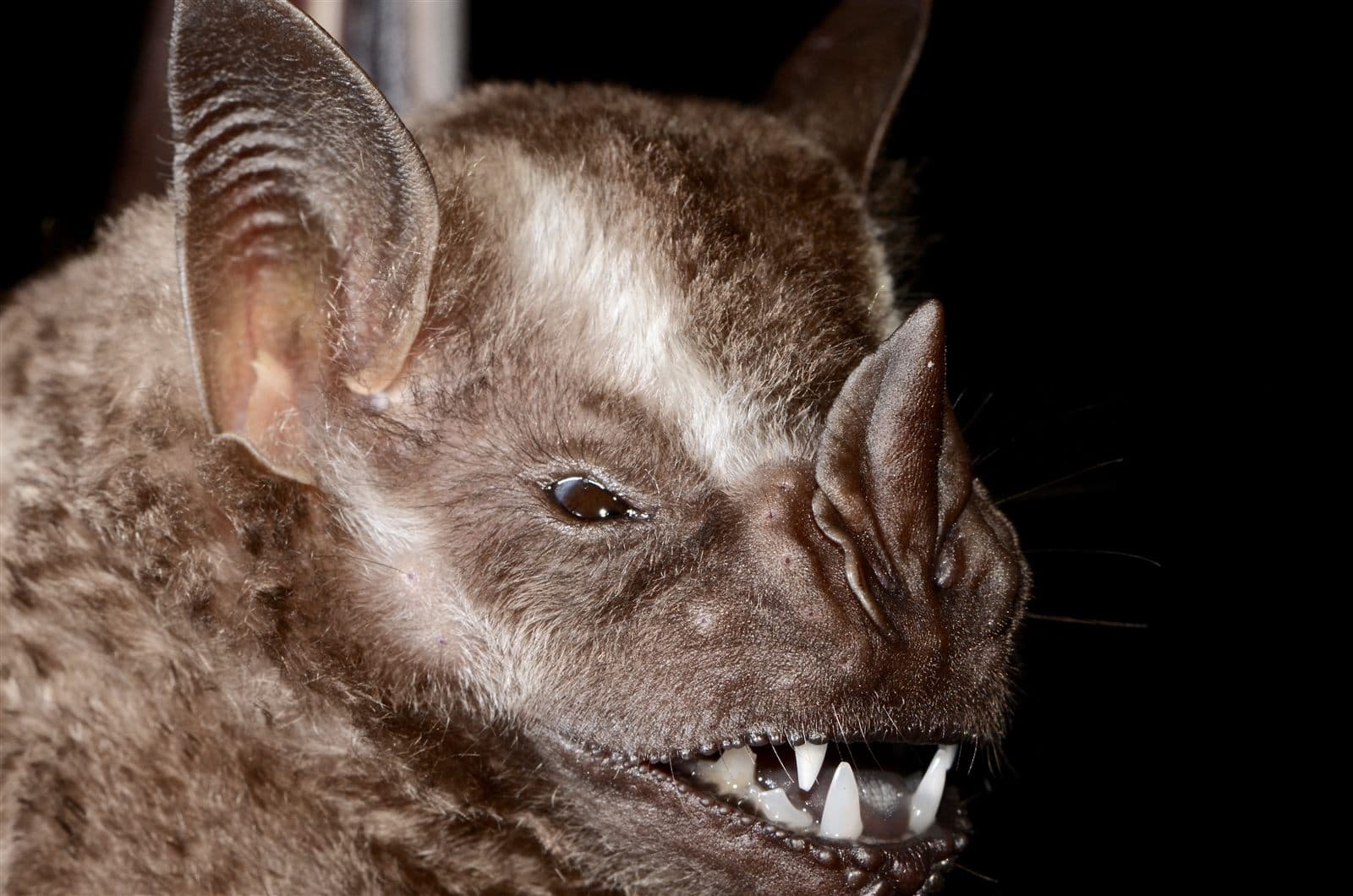
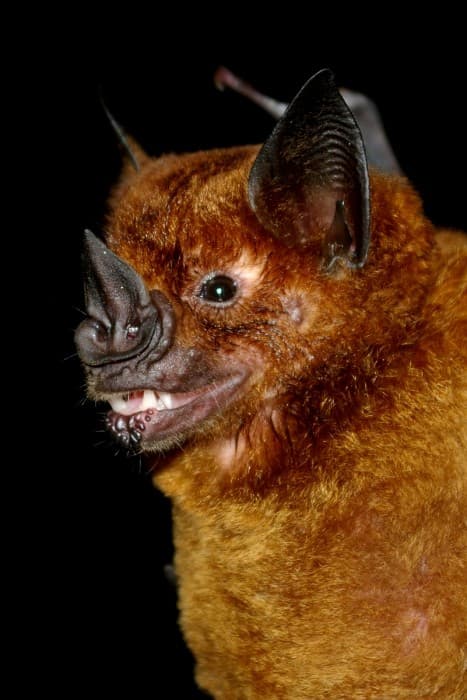
A small bat with a body length of around 5 to 6 cm and forearm of 33 to 38 mm, greyish-brown fur, and a long, narrow muzzle with a small nose-leaf typical of nectar-feeding leaf-nosed bats. Its tongue can extend far beyond its snout and bears a brush-like tip adapted to lap nectar, retracting into a specialised cavity in the chest between feeding bouts.
Ecology
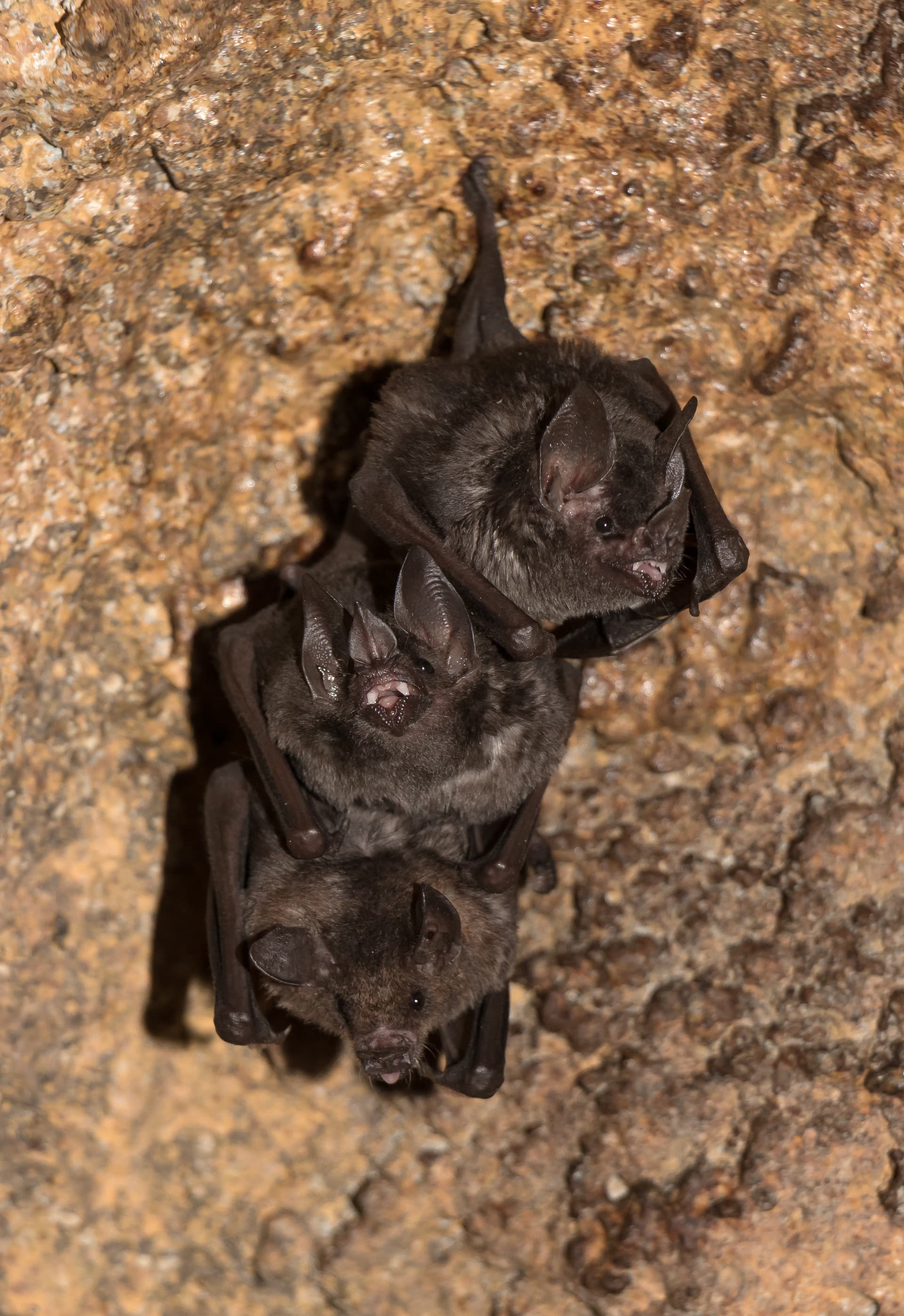
Feeds mainly on nectar and pollen from night-blooming flowers, hovering briefly at each bloom in a manner similar to a hummingbird, and supplements its diet with fruit and occasional insects. It is a key pollinator for numerous plants with bat-adapted flowers, including species of Bauhinia, banana relatives, and various cacti and vines. Roosts are typically in caves, hollow trees, culverts, and building cavities, in colonies ranging from a few individuals to several hundred.
Status in T&T
Common in forest, forest edge, and gardens with suitable flowering plants across Trinidad. Not threatened, and ecologically important as a pollinator supporting plant reproduction and genetic diversity. It is protected as native wildlife under the Conservation of Wildlife Act.
Threats
- Loss of night-flowering plant species
- Roost disturbance in caves and building cavities