Mammal
Mammal
Jamaican Fruit-eating Bat
Artibeus jamaicensis
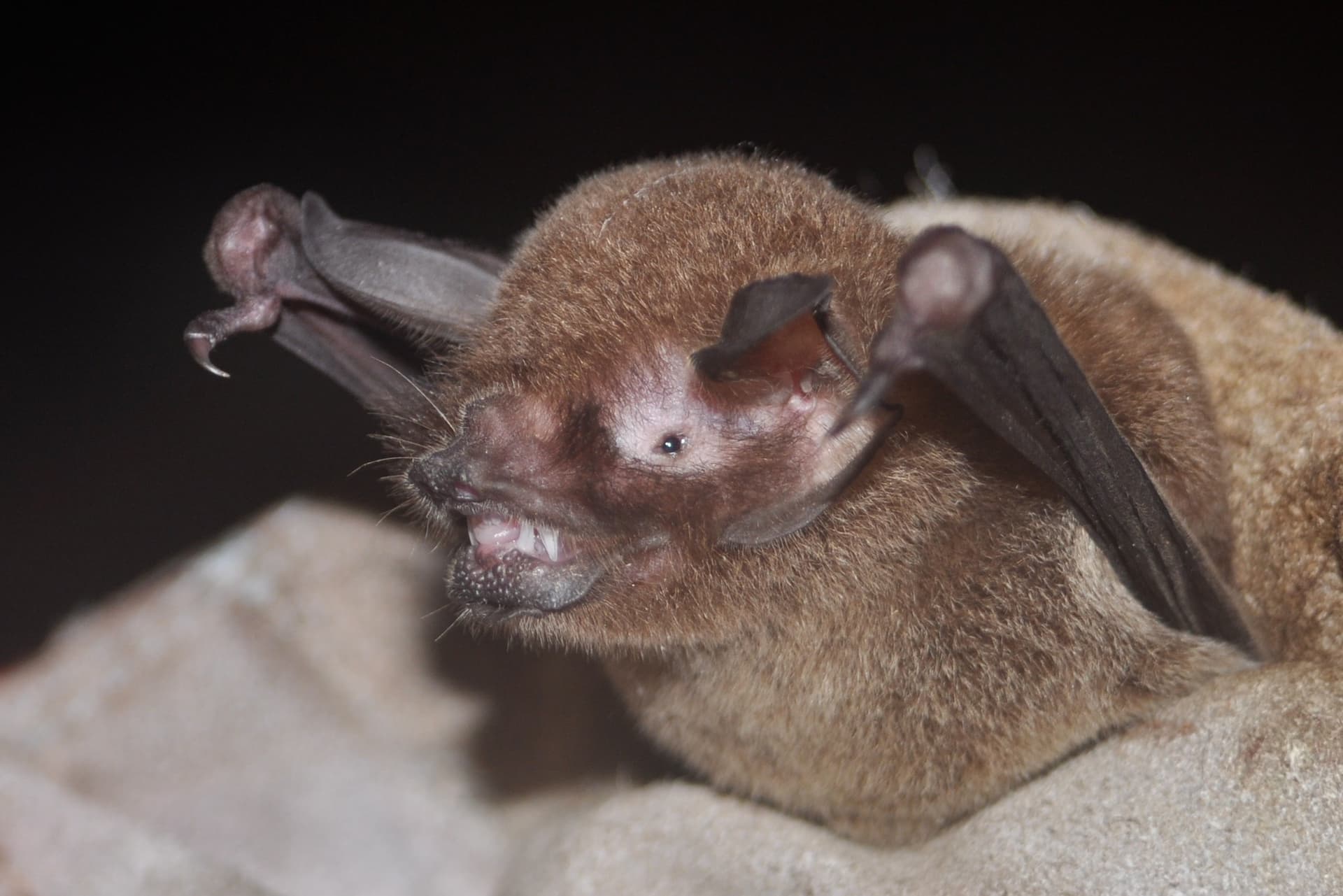
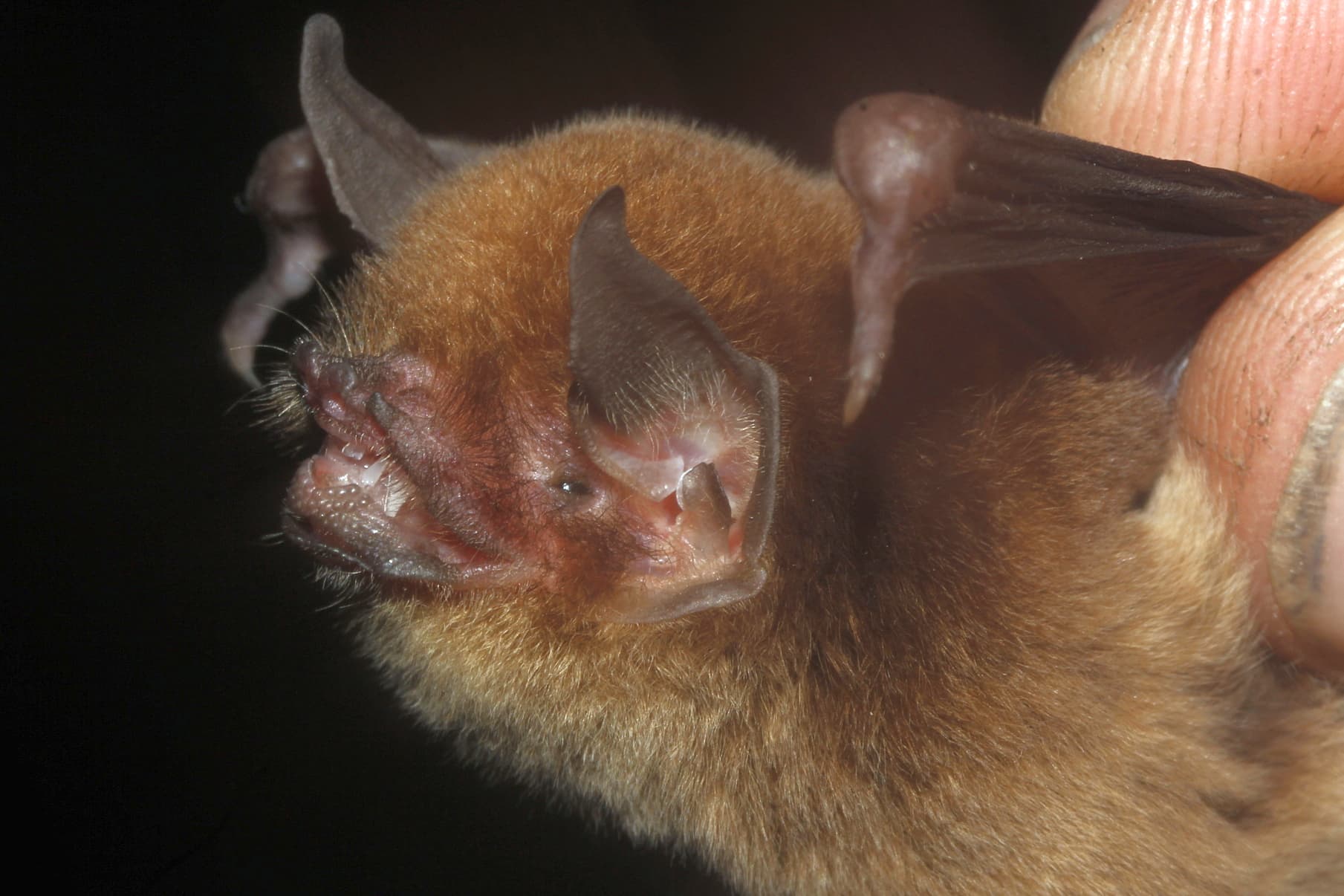
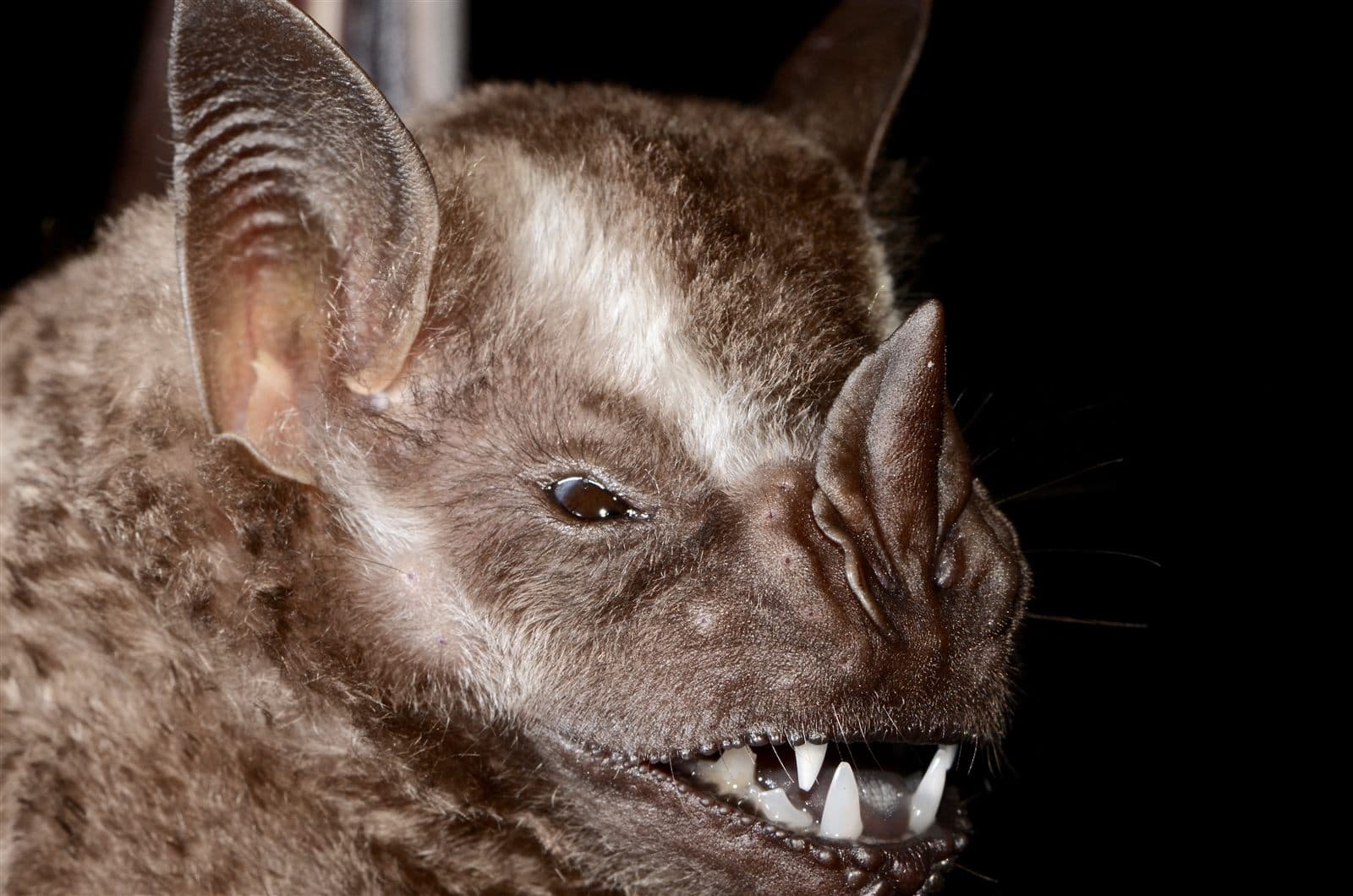
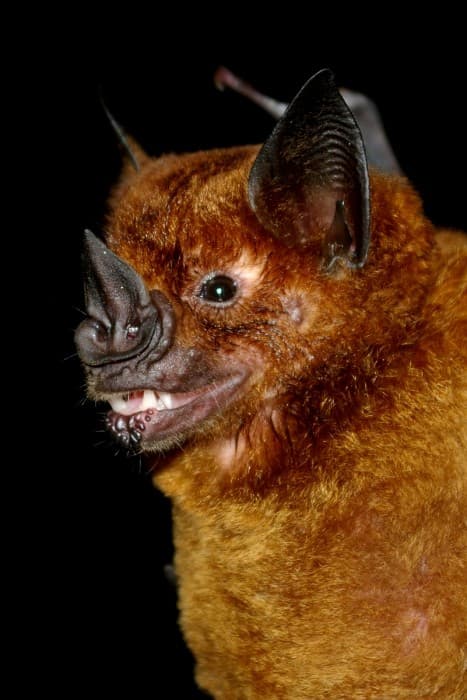
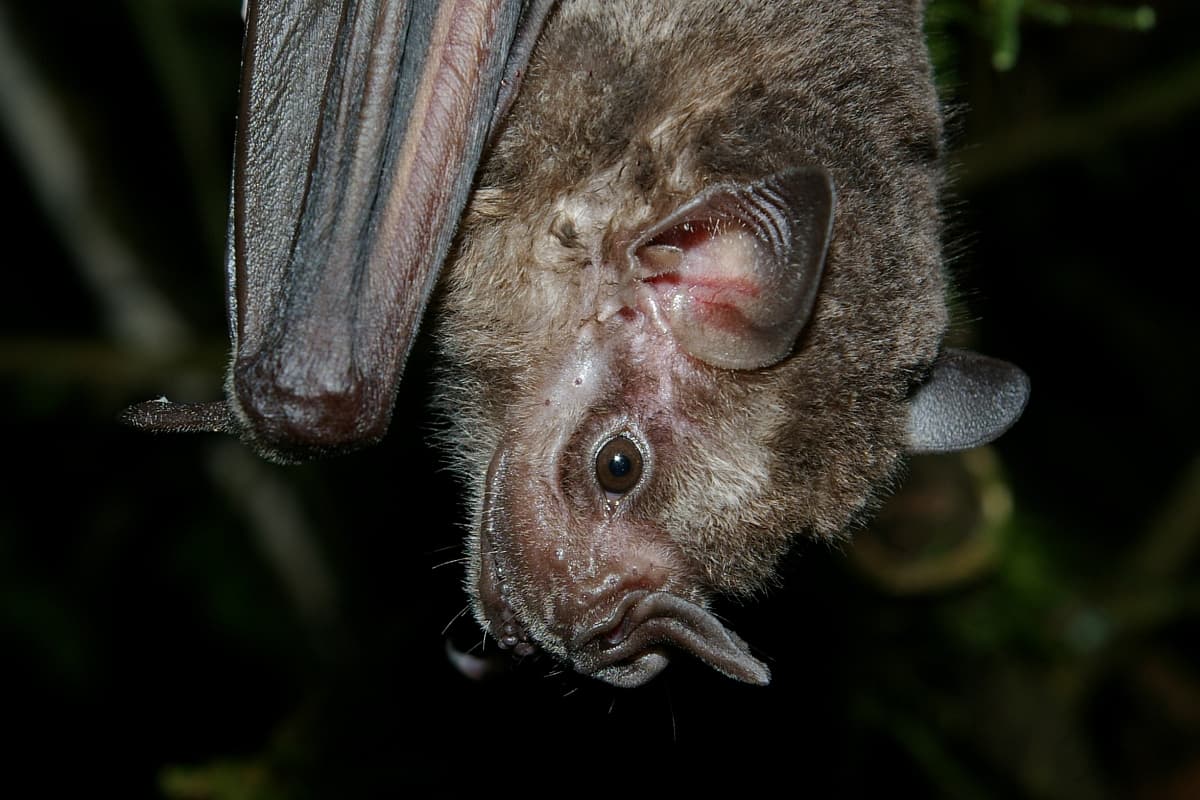
The Jamaican Fruit-eating Bat is one of the most commonly encountered bats in Trinidad, a medium-sized leaf-nosed bat that shelters by day in tents it bites into large leaves and forages by night on figs and other fruit.
The Jamaican Fruit-eating Bat is one of the most commonly encountered bats in Trinidad, a medium-sized leaf-nosed bat that shelters by day in tents it bites into large leaves and forages by night on figs and other fruit. Despite the name, its range spans much of the Caribbean and Central and South America, with Trinidad at the southern edge of its distribution.
Identification
A medium-sized bat with a forearm length of around 55 to 65 mm, greyish-brown fur, and faint pale facial stripes above and below the eyes. It has no external tail and a simple, triangular nose-leaf typical of the family. Whitish shoulder patches are sometimes visible, and its build is noticeably stockier than the smaller nectar and insect-feeding bats sharing its range.
Ecology
Strongly frugivorous, it favours figs (Ficus) along with fruit from Cecropia, Piper, and many cultivated trees, which it carries to a nearby feeding perch to consume, dispersing seeds widely in the process. It frequently constructs simple "tents" by biting the ribs of large palm or Heliconia leaves so they fold into a sheltering tepee, roosting beneath in small groups. This tent-making behaviour makes it a useful indicator species for structurally intact forest and forest edge.
Status in T&T
Common and widespread across Trinidad in forest, forest edge, plantations, and gardens with fruiting trees. Not considered threatened, and ecologically valuable as a seed disperser that helps regenerate cleared and disturbed land. It is protected as native wildlife under the Conservation of Wildlife Act.
Threats
- Roost disturbance in tented leaf shelters
- Loss of fig and fruiting trees