Mammal
Mammal
Greater Spear-nosed Bat
Phyllostomus hastatus
The Greater Spear-nosed Bat is one of the largest and most social leaf-nosed bats in the Americas, forming tight, stable harem groups in caves and hollow trees across Trinidad.
The Greater Spear-nosed Bat is one of the largest and most social leaf-nosed bats in the Americas, forming tight, stable harem groups in caves and hollow trees across Trinidad. An omnivorous generalist that eats everything from fruit and pollen to insects and small vertebrates, it is notable among bats for a complex vocal repertoire, including group-specific calls that help members recognise their own colony.
Identification
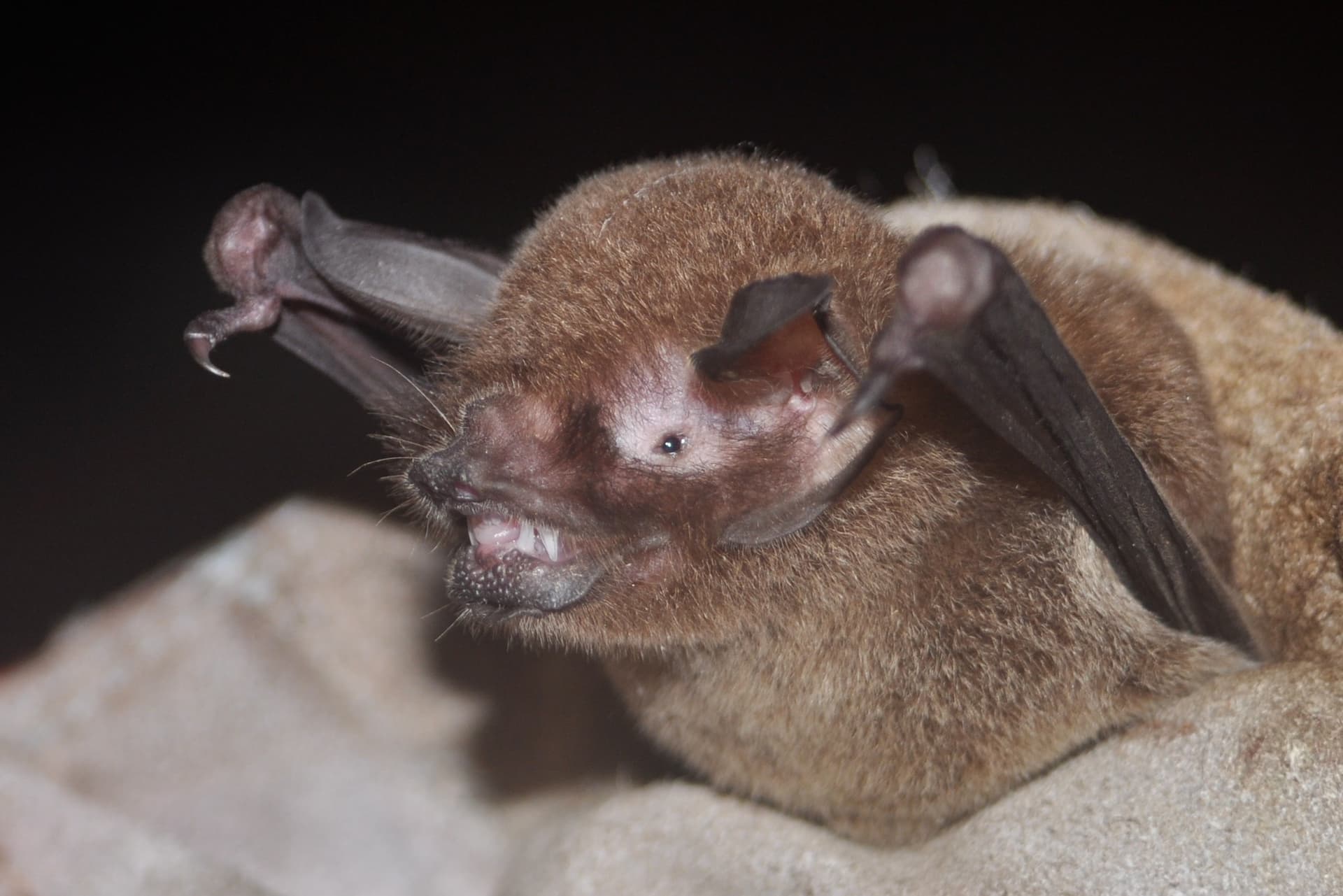
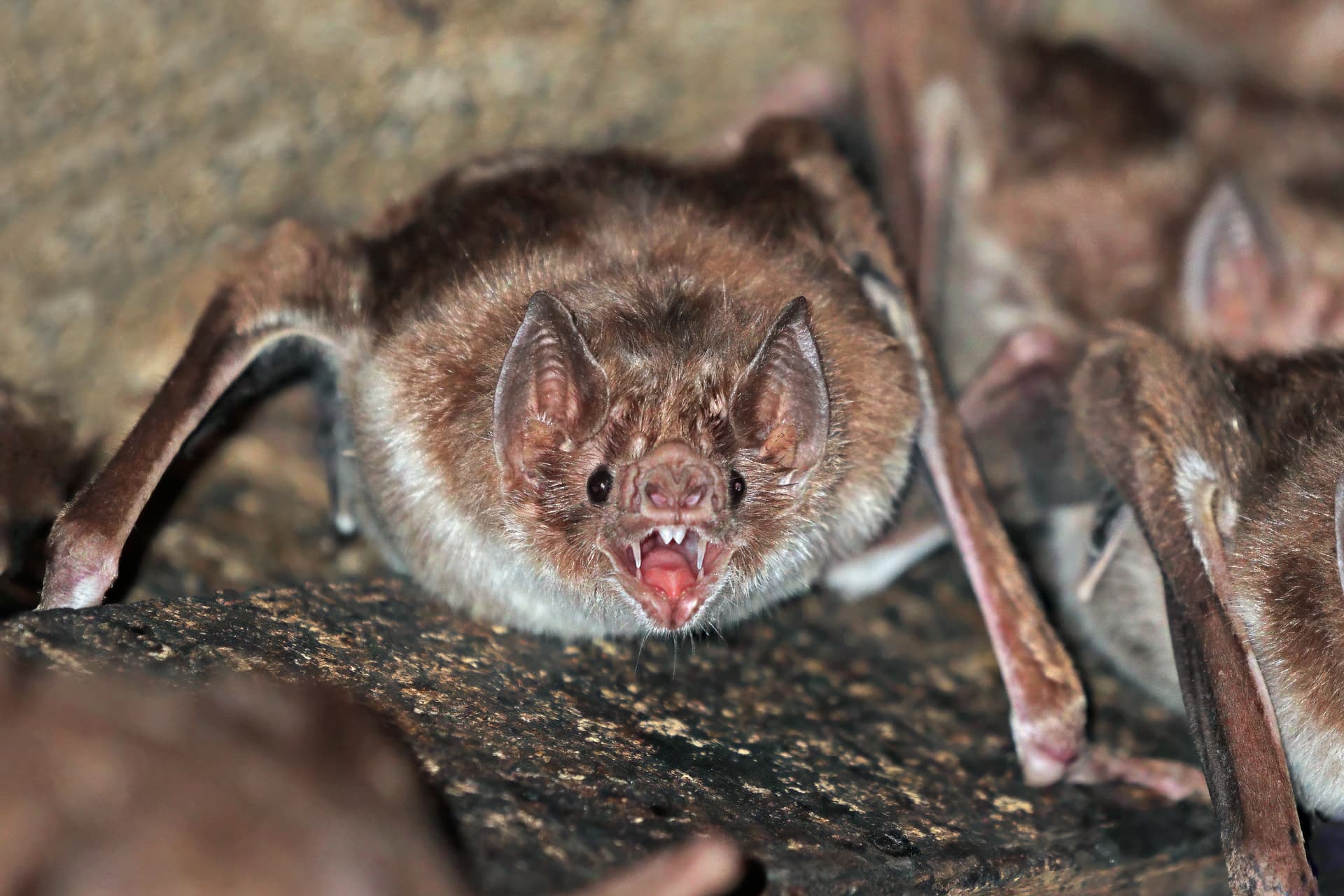
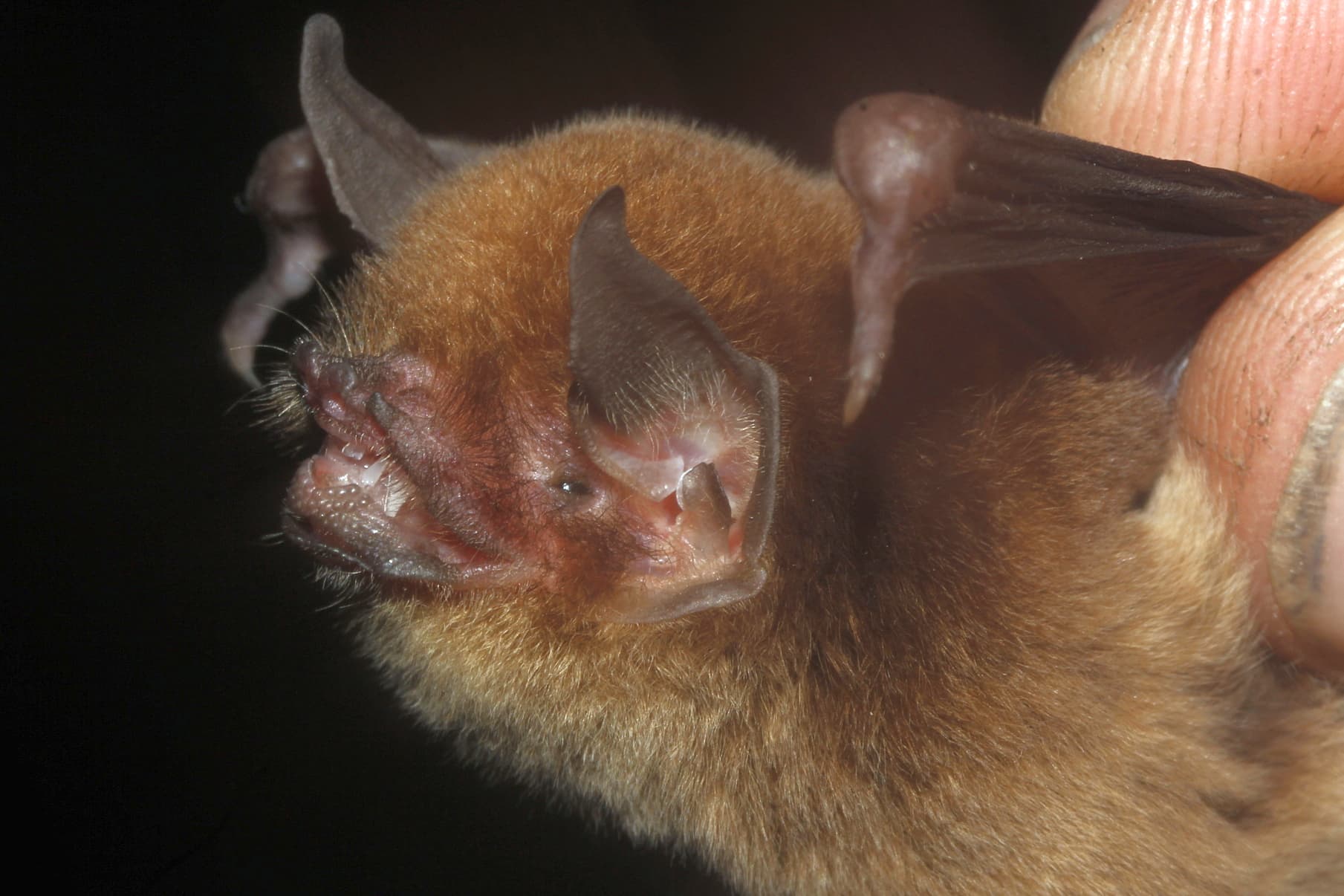
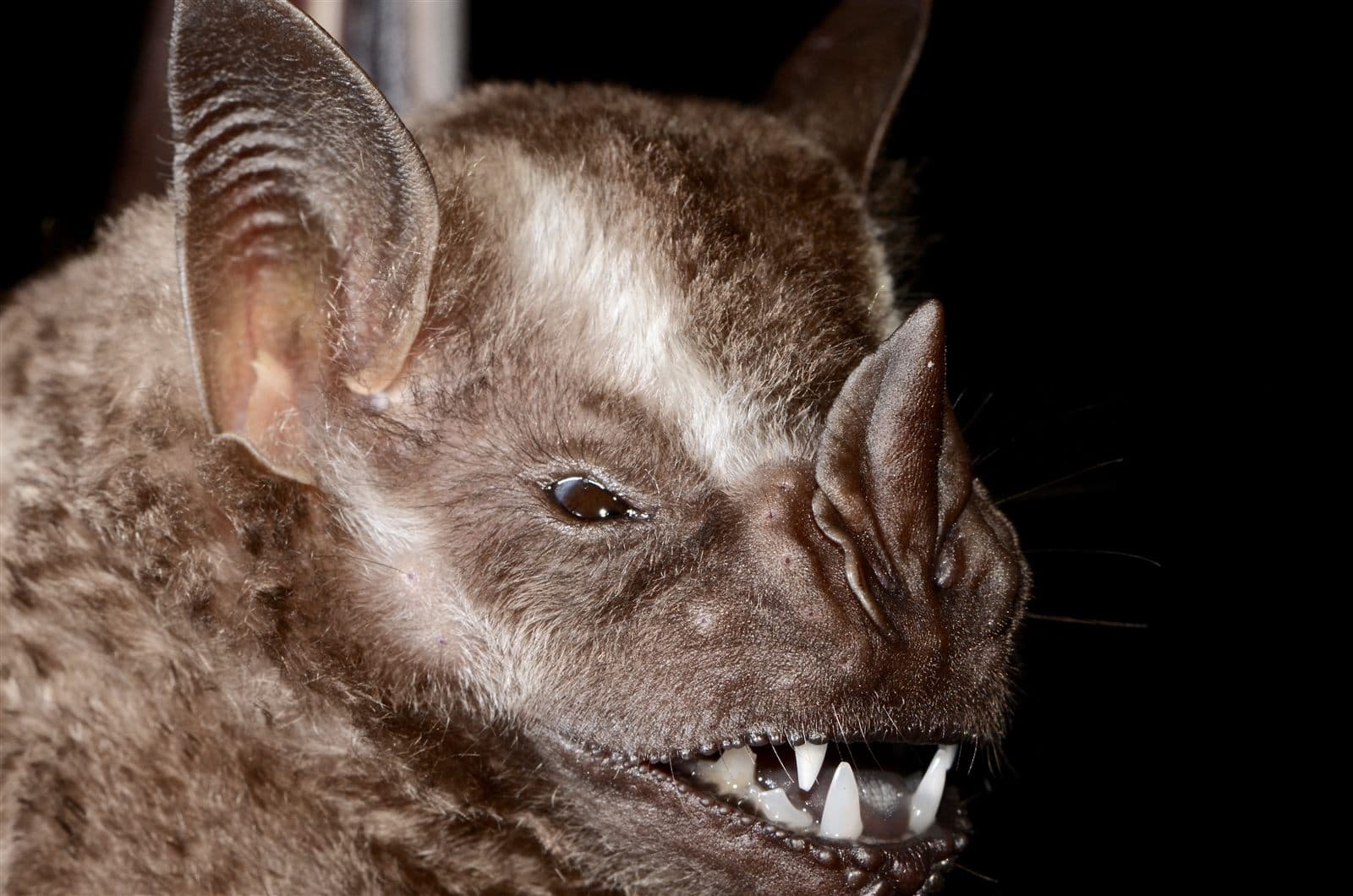
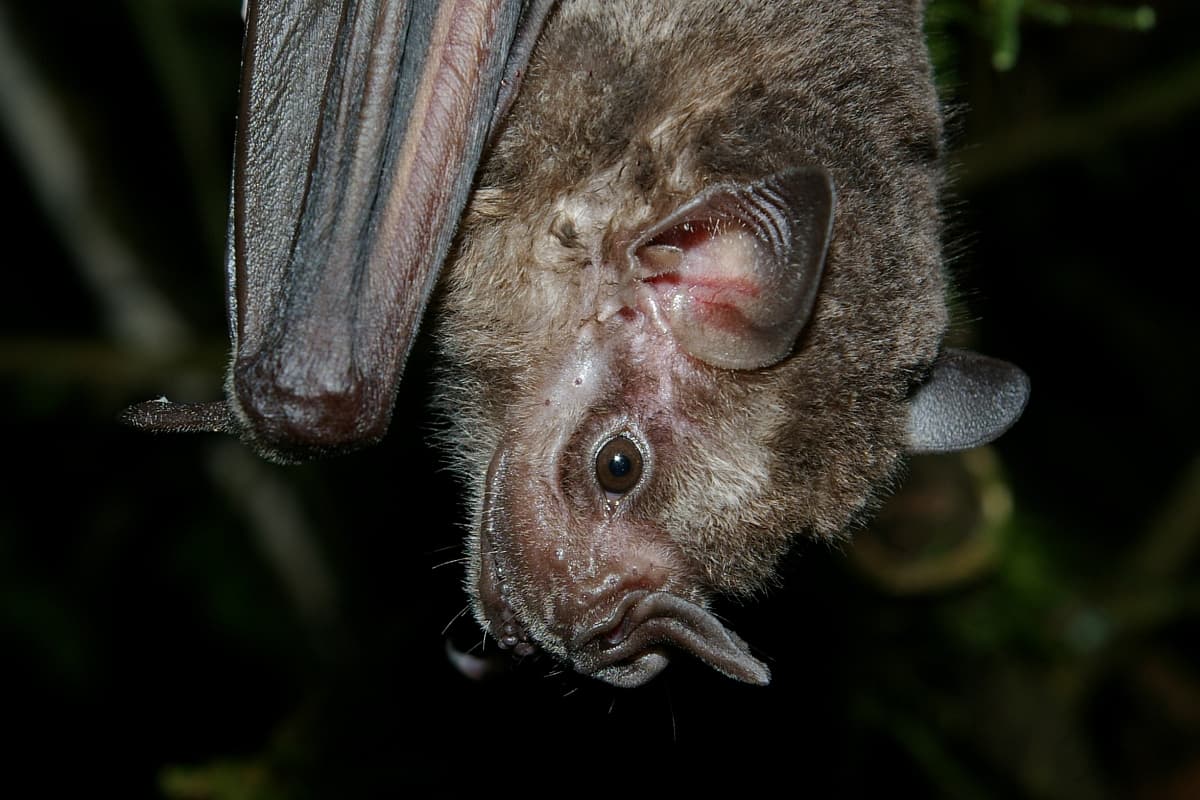
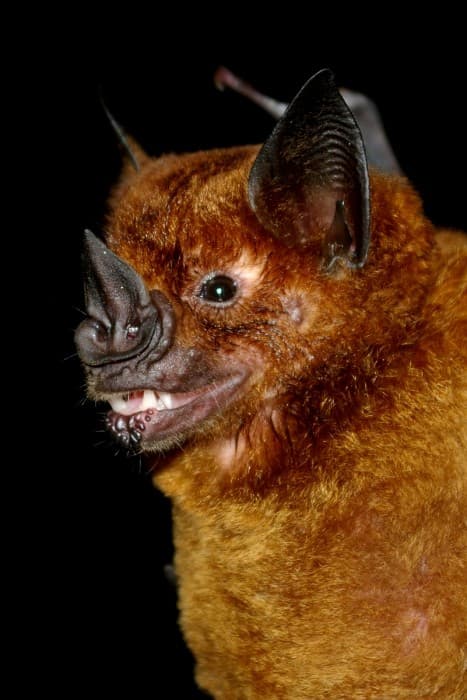
A large bat with a robust body, broad wings, and the triangular, spear-shaped nose-leaf typical of the New World leaf-nosed bat family, used to focus echolocation calls. Fur is reddish-brown to dark brown, short and dense. Adults have a forearm length of around 75 to 90 mm and are noticeably larger and more heavily built than most other bats encountered in Trinidad forests. Ears are prominent and rounded, and the face lacks the ornate flaps seen in some smaller leaf-nosed species.
Ecology
Greater Spear-nosed Bats are highly social, roosting in colonies of dozens to several hundred individuals in caves, hollow trees, and culverts, organised into stable harems of one adult male with multiple females and their young. Diet is unusually broad for a bat: insects, fruit, pollen, nectar, and occasionally small vertebrates including other bat species, making it one of the more carnivorous members of its family. Females in a harem often cooperate and produce distinctive group-specific "screech" calls that help members recognise and reunite with their own colony after foraging apart at night.
Status in T&T
Common and widespread across Trinidad in forest, forest edge, and cave habitats, with well-documented roosts in several of the island's show caves and agricultural areas. It is not considered threatened and plays a useful ecological role as a pollinator of some flowering trees and a disperser of fruit seeds, alongside acting as a natural check on insect populations. As with all bats, it is protected as native wildlife under the Conservation of Wildlife Act, and roost disturbance, particularly in caves, is a key conservation concern.
Threats
- Cave roost disturbance and vandalism
- Deforestation reducing foraging and roost habitat
- Public misconceptions leading to persecution of bats generally