Mammal
Mammal
Greater Bulldog Bat (Fishing Bat)
Noctilio leporinus
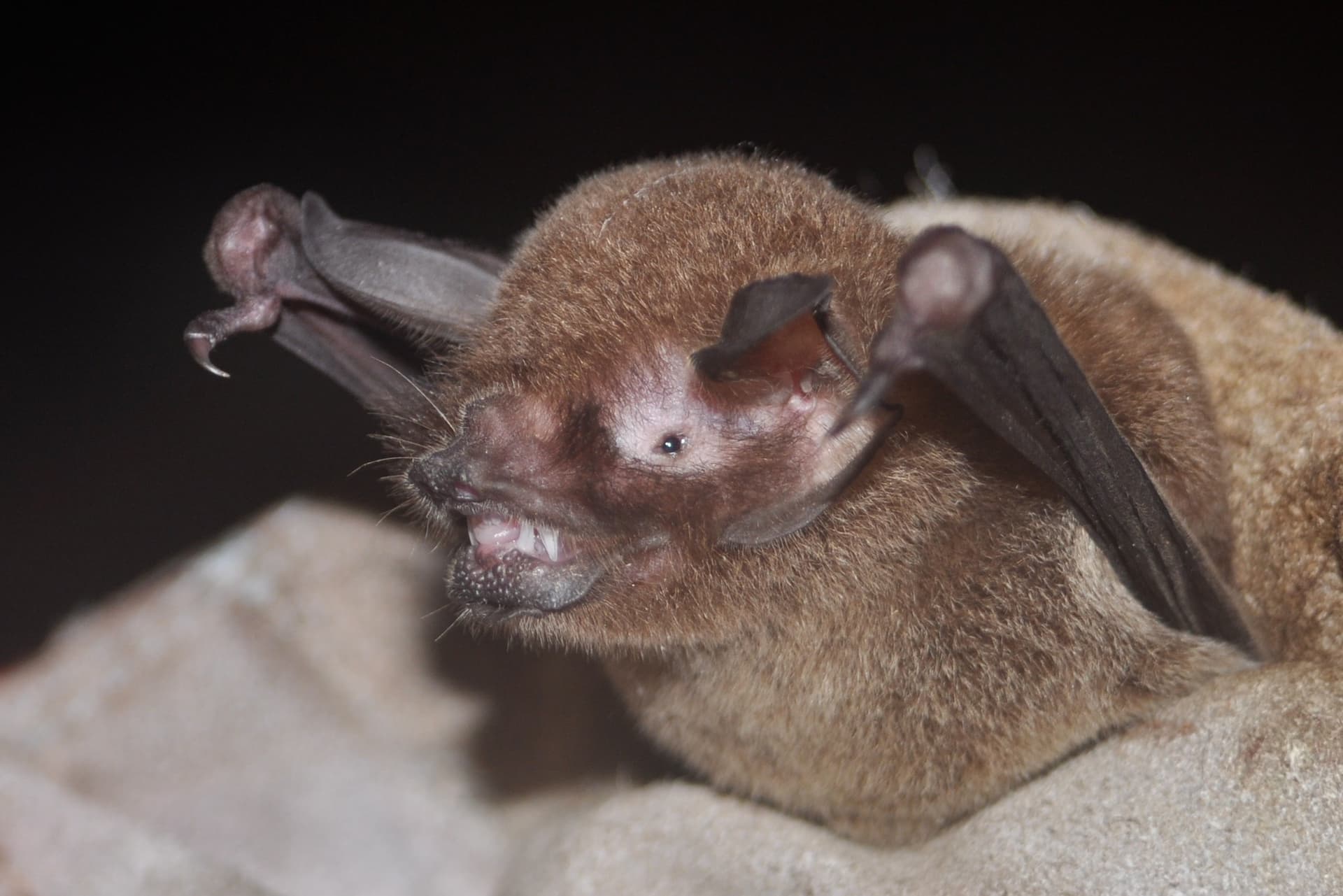
The Greater Bulldog Bat, or Fishing Bat, is one of only a handful of bat species in the world that catches fish, raking the surface of rivers, swamps, and coastal waters with enormous hind claws.
The Greater Bulldog Bat, or Fishing Bat, is one of only a handful of bat species in the world that catches fish, raking the surface of rivers, swamps, and coastal waters with enormous hind claws. Its large size, jowly face, and distinctive foraging behaviour over water make it one of Trinidad's most striking bats to observe at night.
Identification
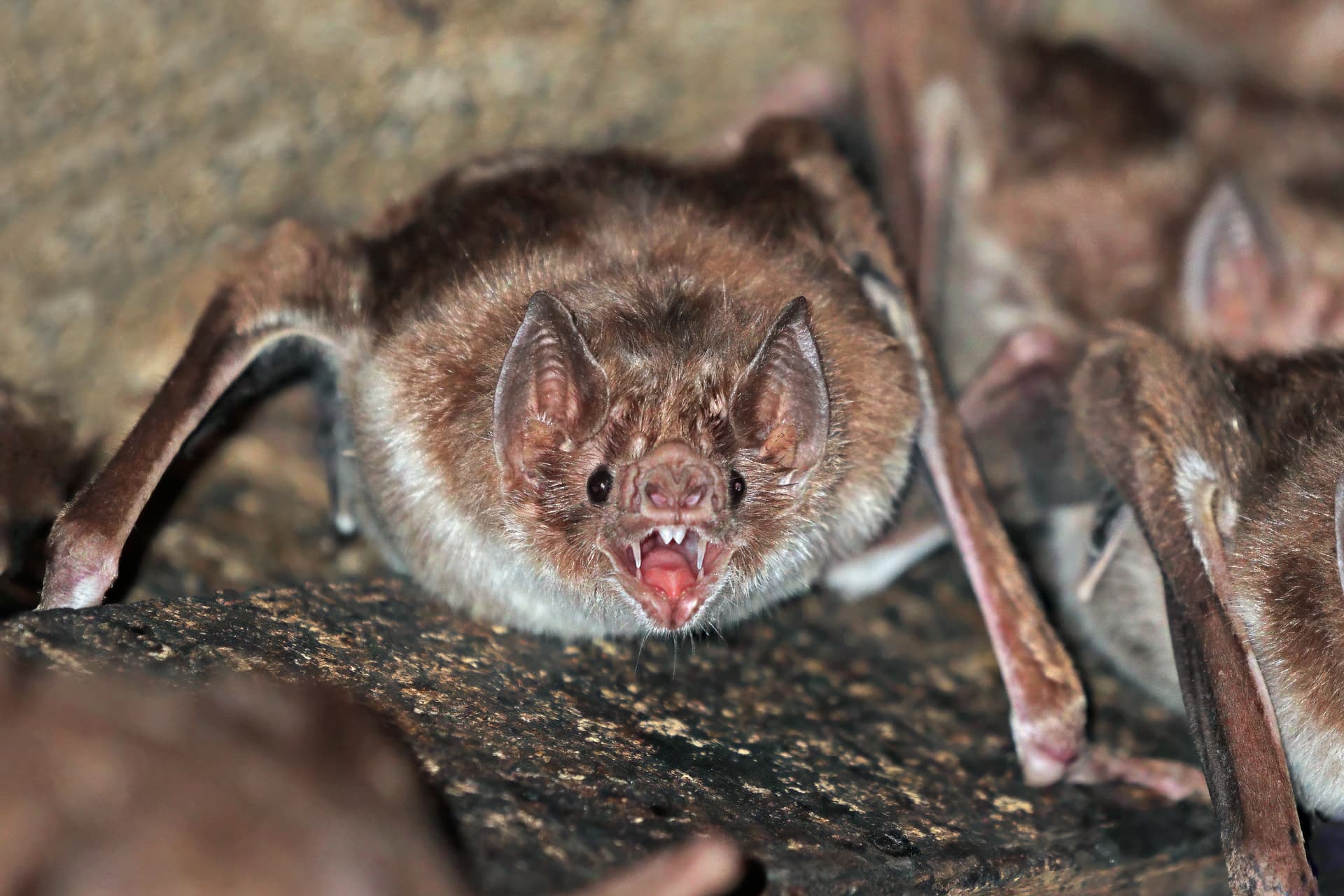
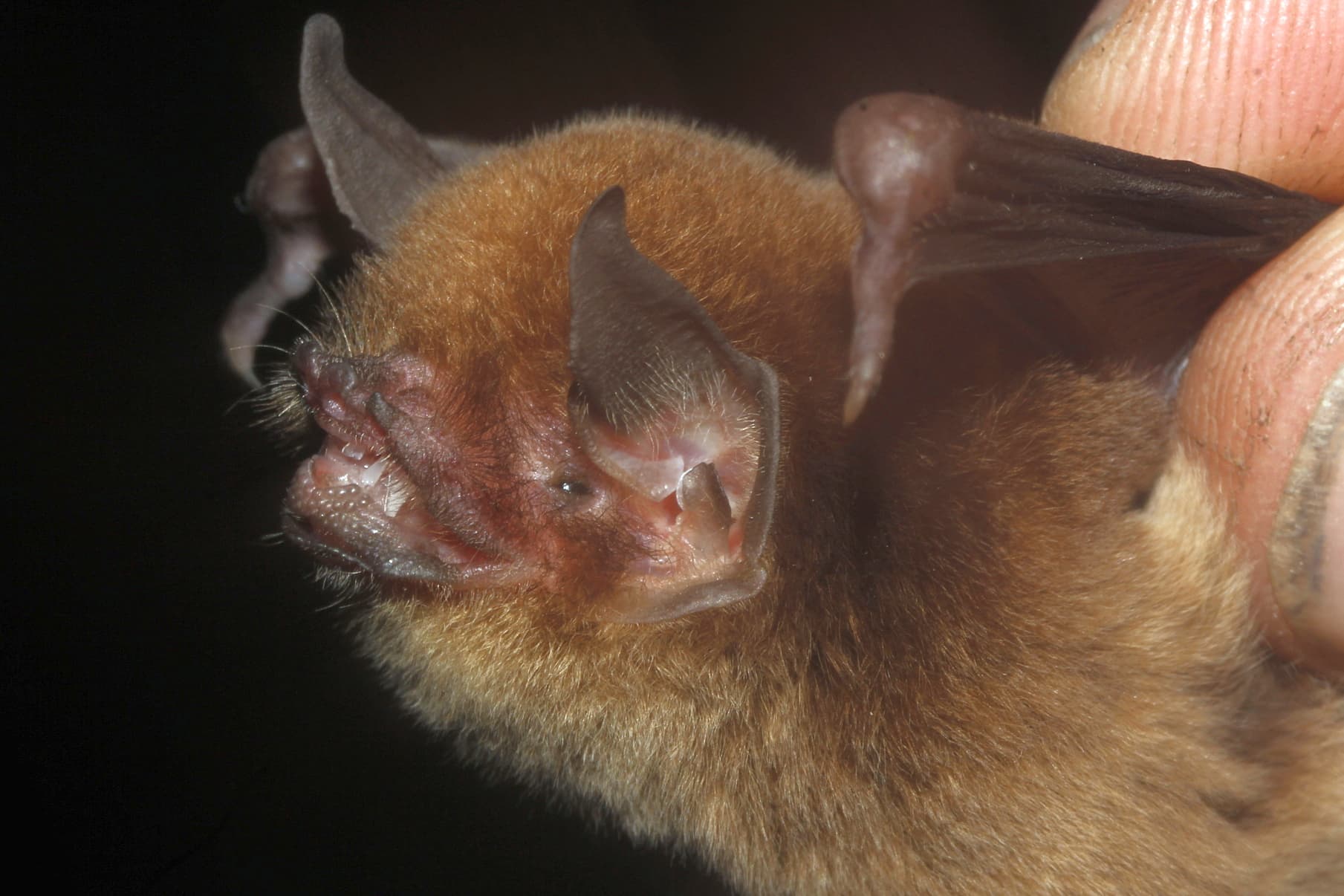
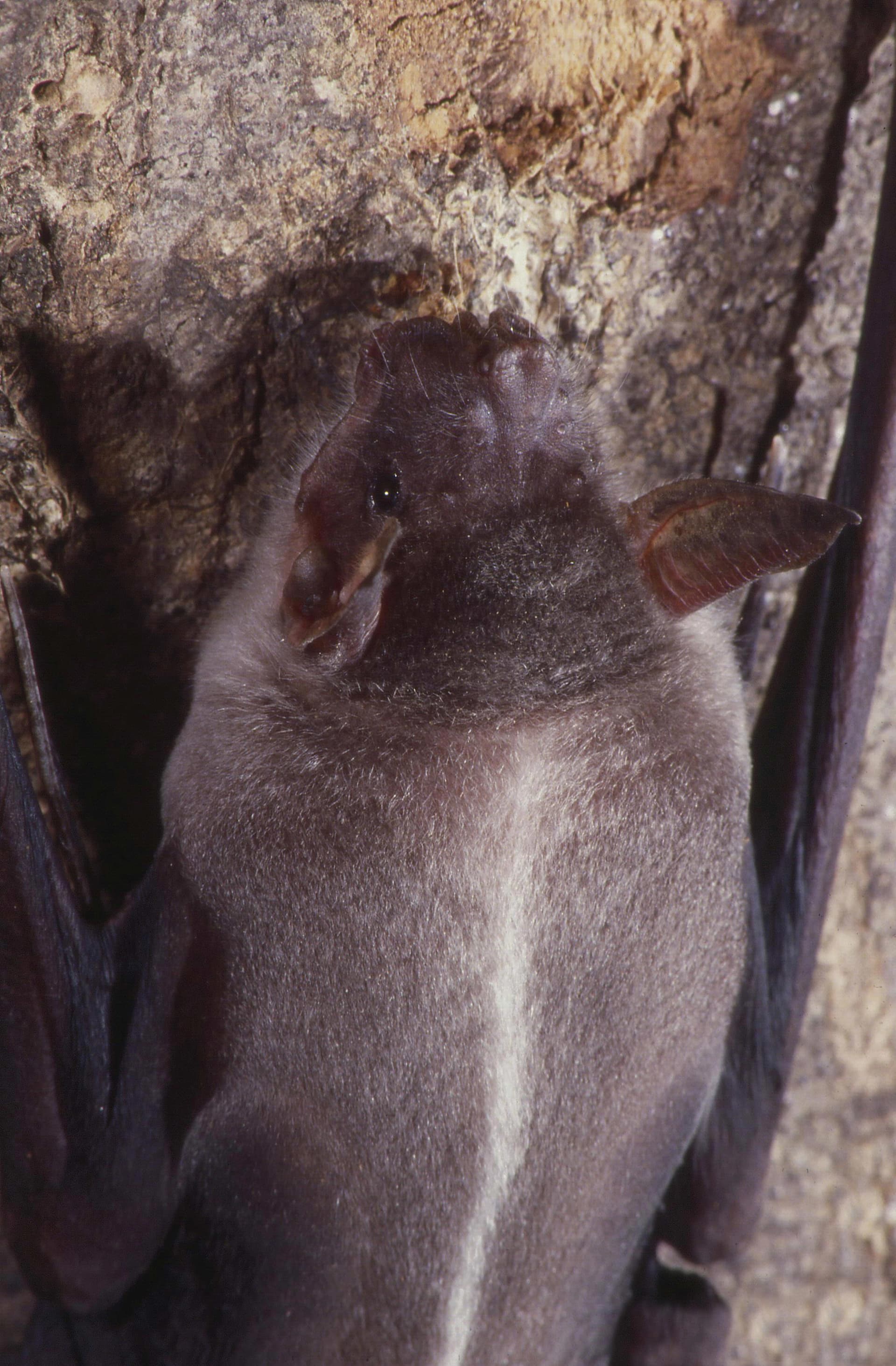
A large bat with a forearm length of around 85 to 95 mm and a wingspan that can exceed 60 cm, with a wingspan among the largest of any bat in Trinidad. Fur colour is variable, from orange-red to greyish brown, often with a pale stripe down the back. Its most distinctive features are its very large hind feet and claws, a bulldog-like jowly face with cheek pouches, and long, narrow wings suited to fast flight over open water.
Ecology
Forages low over calm water in rivers, swamps, lagoons, and sheltered coastal bays, using echolocation to detect ripples made by fish breaking the surface, then raking the water with its oversized claws to snag prey, which it stores in cheek pouches before eating on the wing or at a perch. It also takes crustaceans and insects, particularly when fish are scarce. Roosts are typically in hollow trees, caves, or rock crevices close to foraging waters, in colonies of a few to several hundred.
Status in T&T
Found around Trinidad's wetlands, rivers, and sheltered coastal waters, including the Caroni and Nariva swamps. Not considered threatened, though it depends on clean, fish-productive water bodies and undisturbed roost sites near them. It is protected as native wildlife under the Conservation of Wildlife Act.
Threats
- Water pollution reducing fish prey
- Disturbance of riverside and swamp roost sites