Ferns
Ferns
Tree Fern
Cyathea spp.
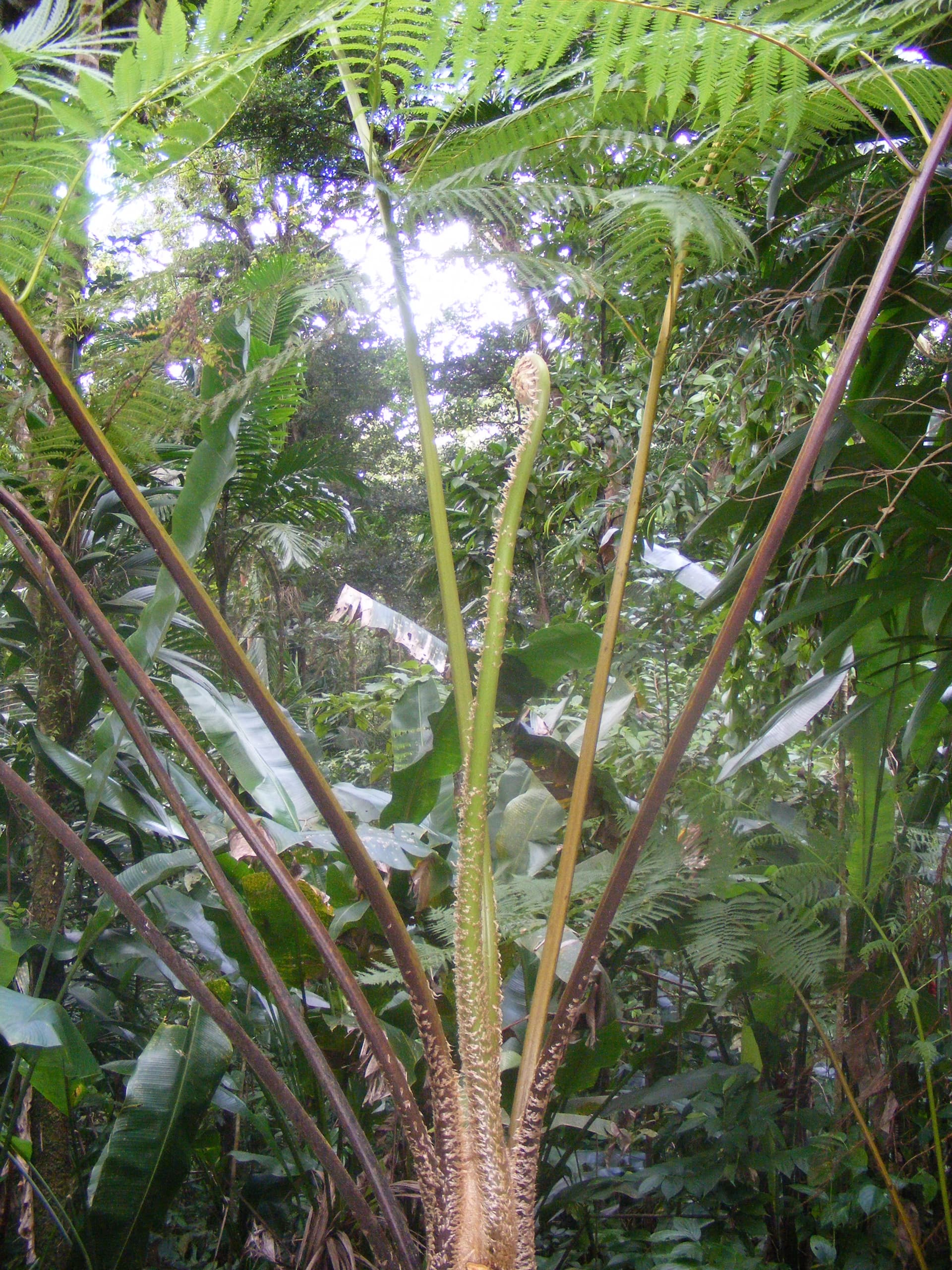
Photo: Paul Harrison · St Lucia (CC BY-SA 4.0)
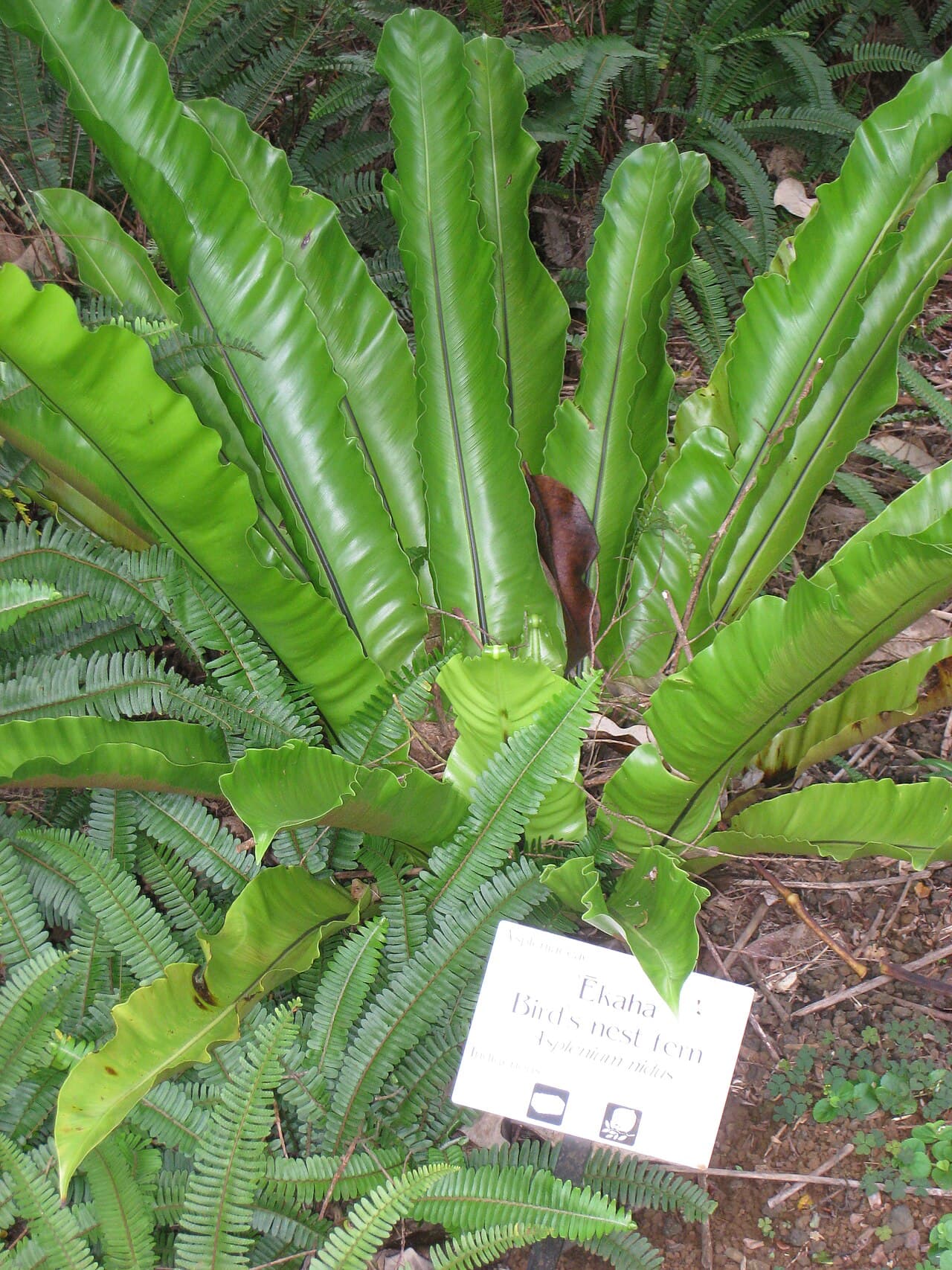
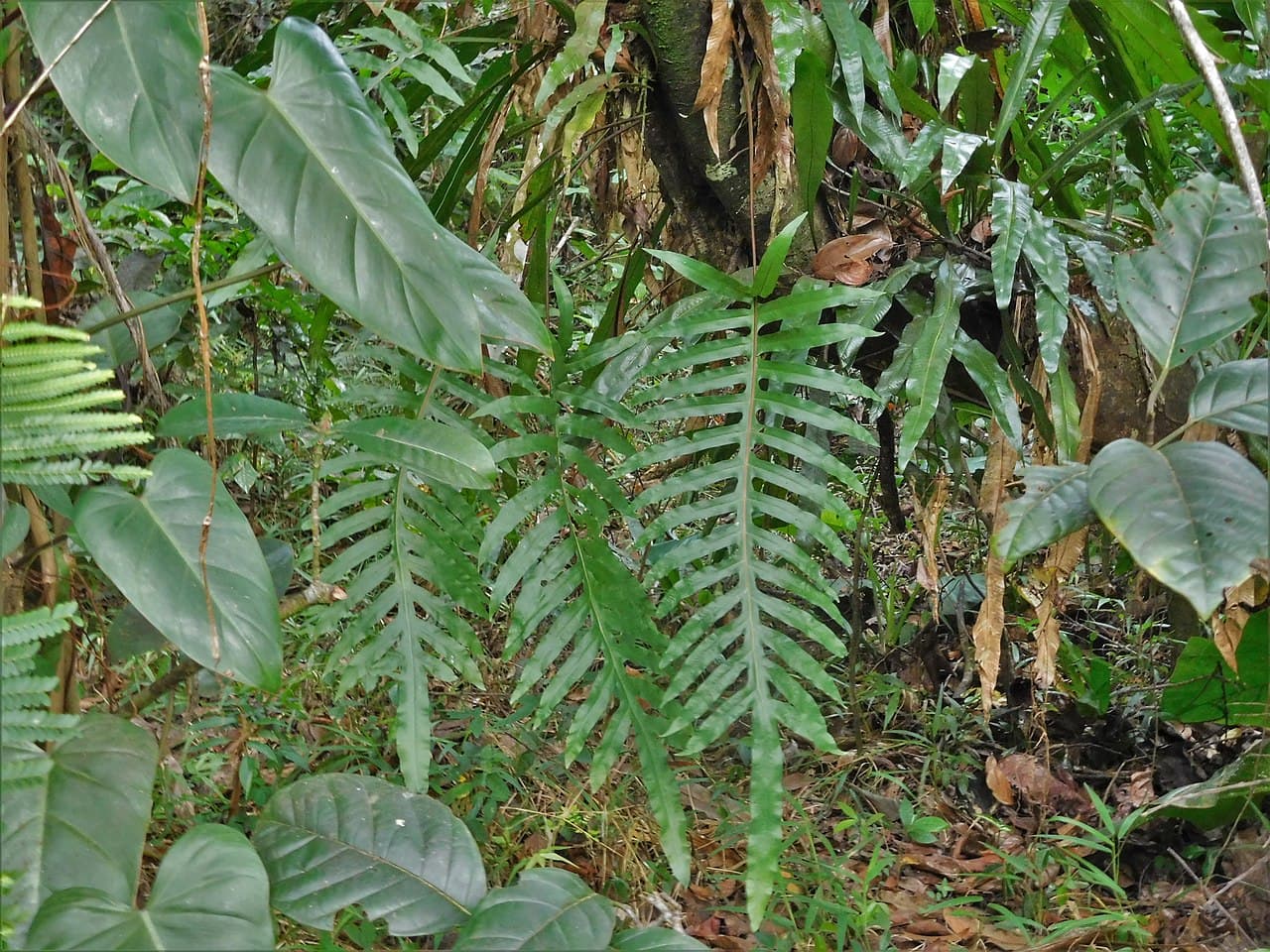
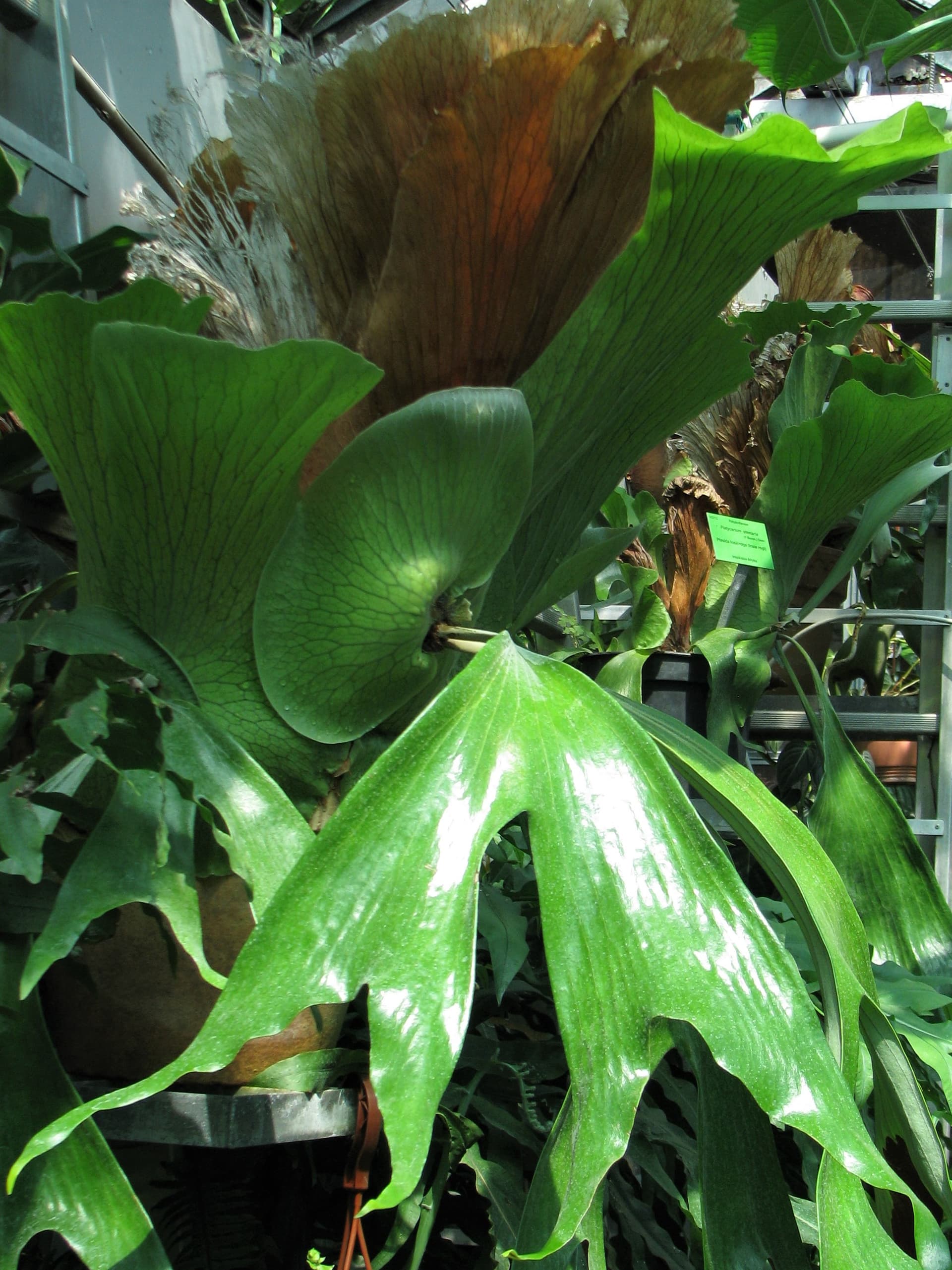
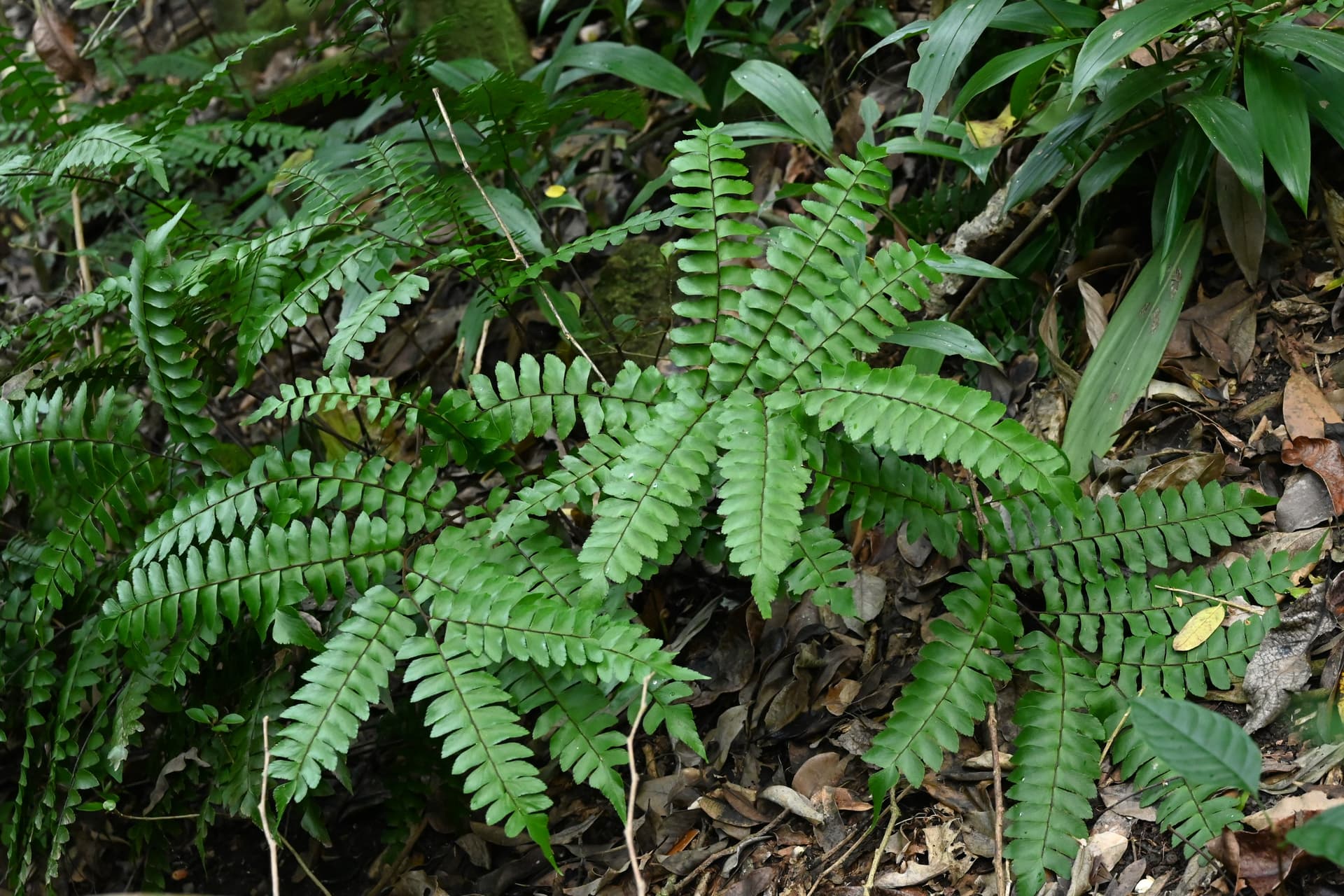
Tree ferns are living relics of an ancient world: vascular plants that predate the flowering plants by hundreds of millions of years, yet still dominate the misty understorey of the Northern Range's montane forests today.
Tree ferns are living relics of an ancient world: vascular plants that predate the flowering plants by hundreds of millions of years, yet still dominate the misty understorey of the Northern Range's montane forests today. Several species of Cyathea grow in Trinidad and Tobago, some reaching trunk heights of five metres or more, their crowning fronds arching outward like a natural parasol.
Description
Tree ferns are not true trees: they have no woody tissue and do not grow in girth, only in height. The trunk is a compressed column of old leaf bases and fibrous root material. From the apex, large compound fronds unfurl in tight spirals called croziers or fiddleheads. In Trinidad and Tobago, multiple Cyathea species are present, ranging from small understorey plants under two metres to imposing giants exceeding five metres in sheltered ravines.
Habitat and Ecology
Tree ferns are indicators of undisturbed, humid montane and cloud forest. In Trinidad they are abundant in the Northern Range above 300 m elevation, particularly along stream gullies and in areas of persistent cloud and mist. They thrive in the cool, shaded conditions that flowering trees create and are highly sensitive to desiccation, making them reliable markers of forest continuity and microclimate stability.
Ecological Role
The fibrous trunk material of tree ferns is a valued substrate for epiphytic plants: orchids, bromeliads, mosses, and liverworts colonise old trunks readily. Small vertebrates and invertebrates use the crown of accumulated leaf litter that builds up at the junction of frond and trunk. In this sense, a mature tree fern is a micro-ecosystem in itself.
Where to See
The Arima-Blanchisseuse Road through the Northern Range is one of the best places to observe tree ferns in Trinidad, particularly at higher elevations. The Asa Wright Nature Centre and the heights around El Tucuche and El Cerro del Aripo support large, mature colonies. In Tobago, the Main Ridge Forest Reserve harbours tree fern stands in its wetter interior gullies.
Threats
- Forest clearance removing the closed canopy that maintains humidity and shade
- Illegal collection of trunks for use as orchid-growing substrate in the horticultural trade
- Climate change altering montane cloud and mist patterns
- Bushfire damage at forest edges