Mangroves
Mangroves
Red Mangrove
Rhizophora mangle
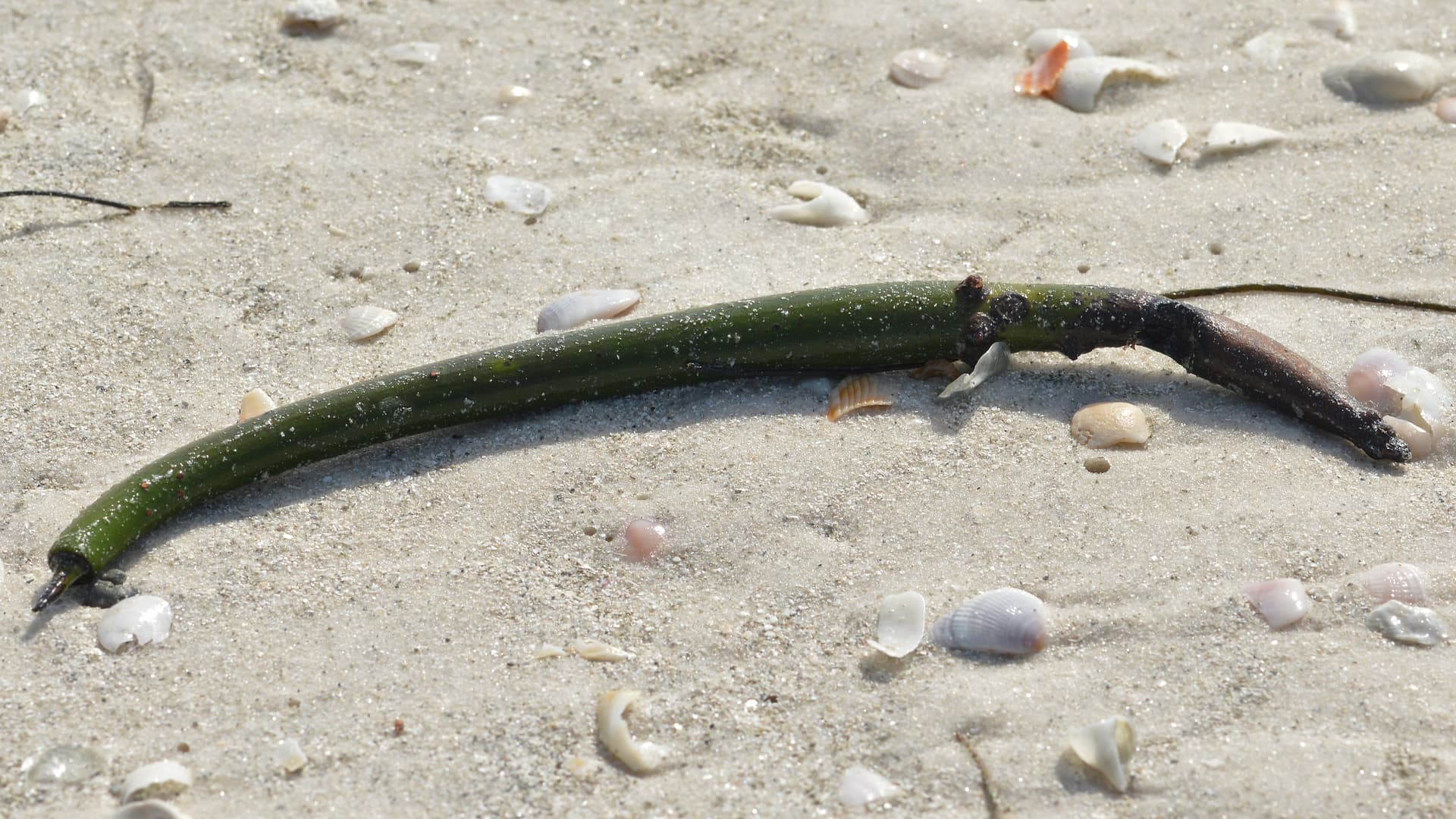
Photo: Ryan Hodnett · Sarasota, Florida (CC BY-SA 4.0)
The Red Mangrove is the seaward-facing pillar of every healthy estuarine wetland in Trinidad and Tobago.
The Red Mangrove is the seaward-facing pillar of every healthy estuarine wetland in Trinidad and Tobago. Its tangled prop roots stabilise coastlines, nurse juvenile fish, and form the structural backbone of internationally recognised wetlands like the Caroni and Nariva swamps.
Description
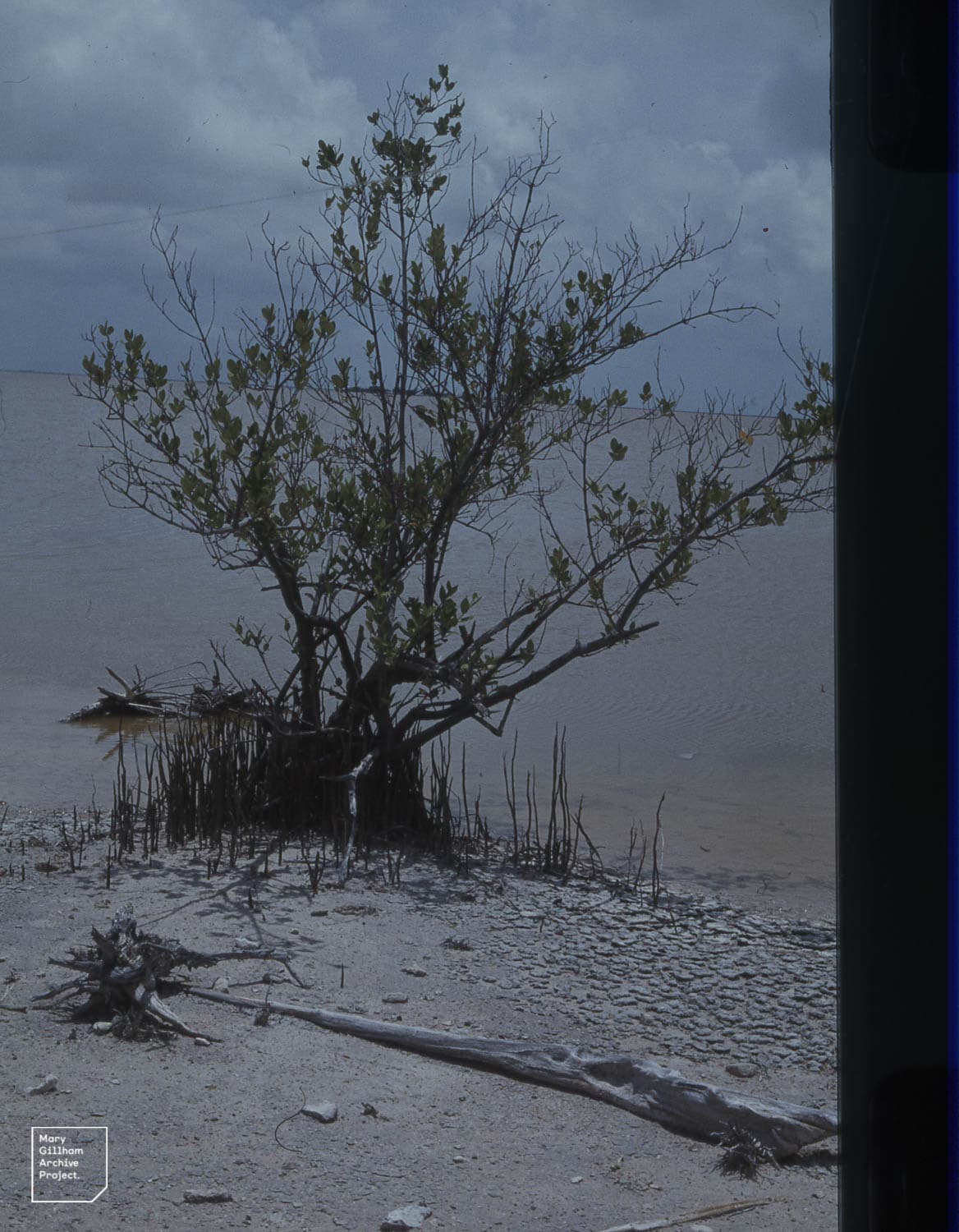
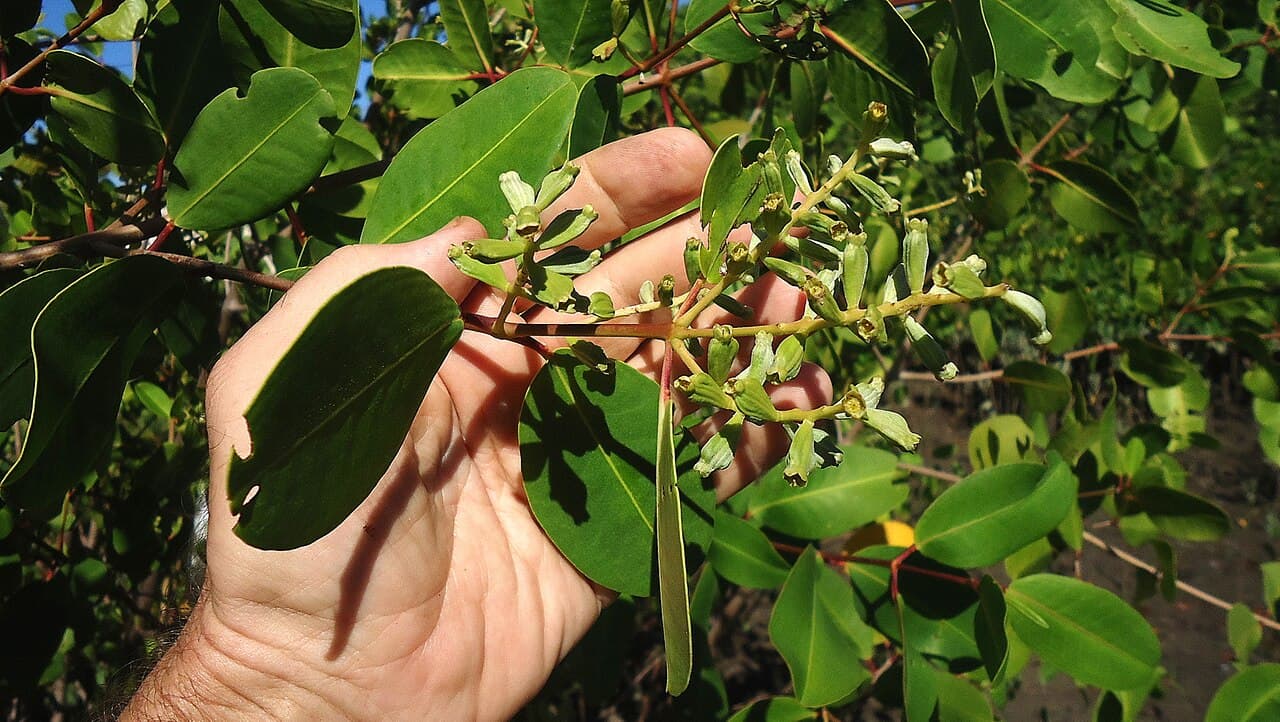
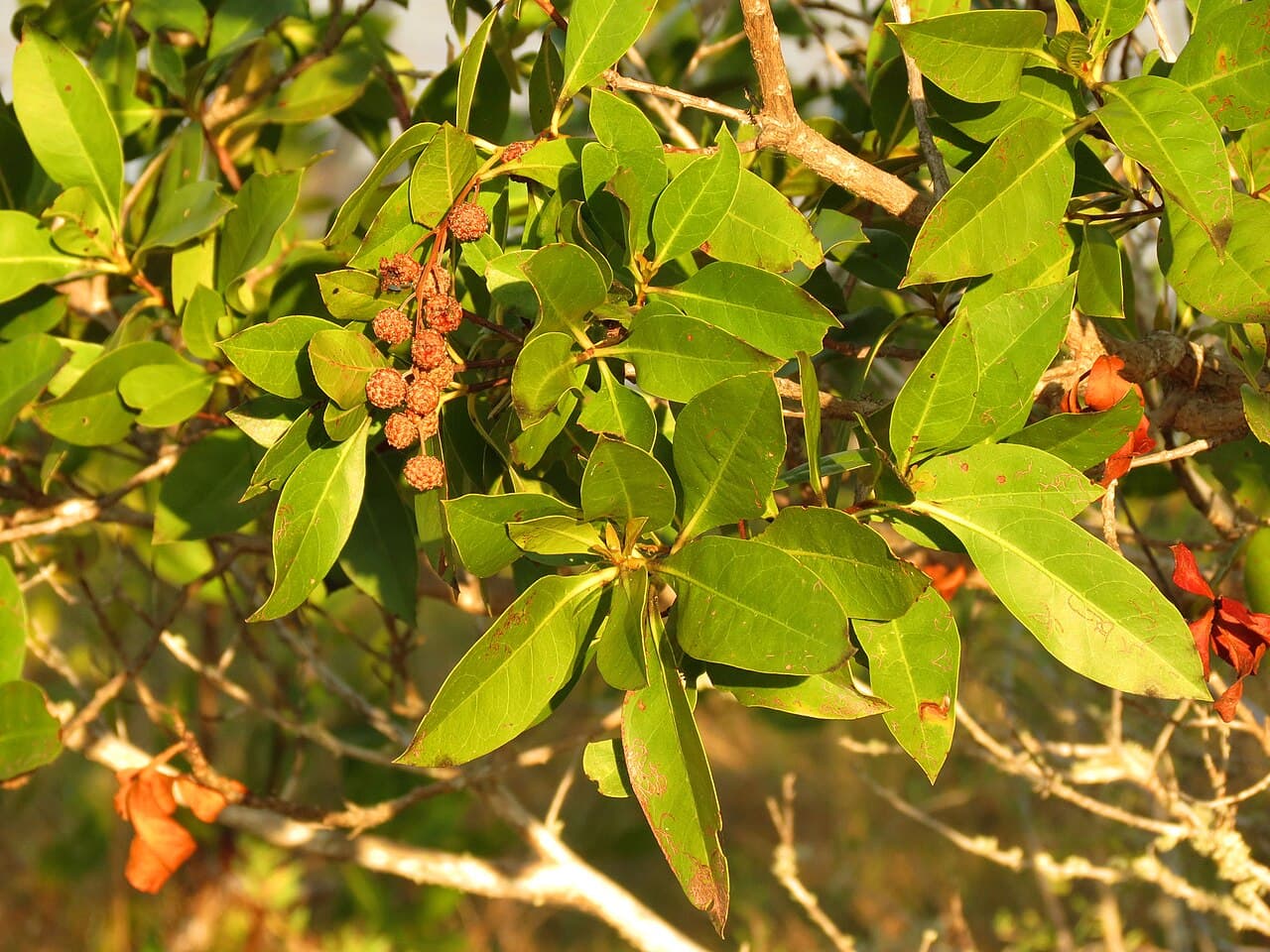
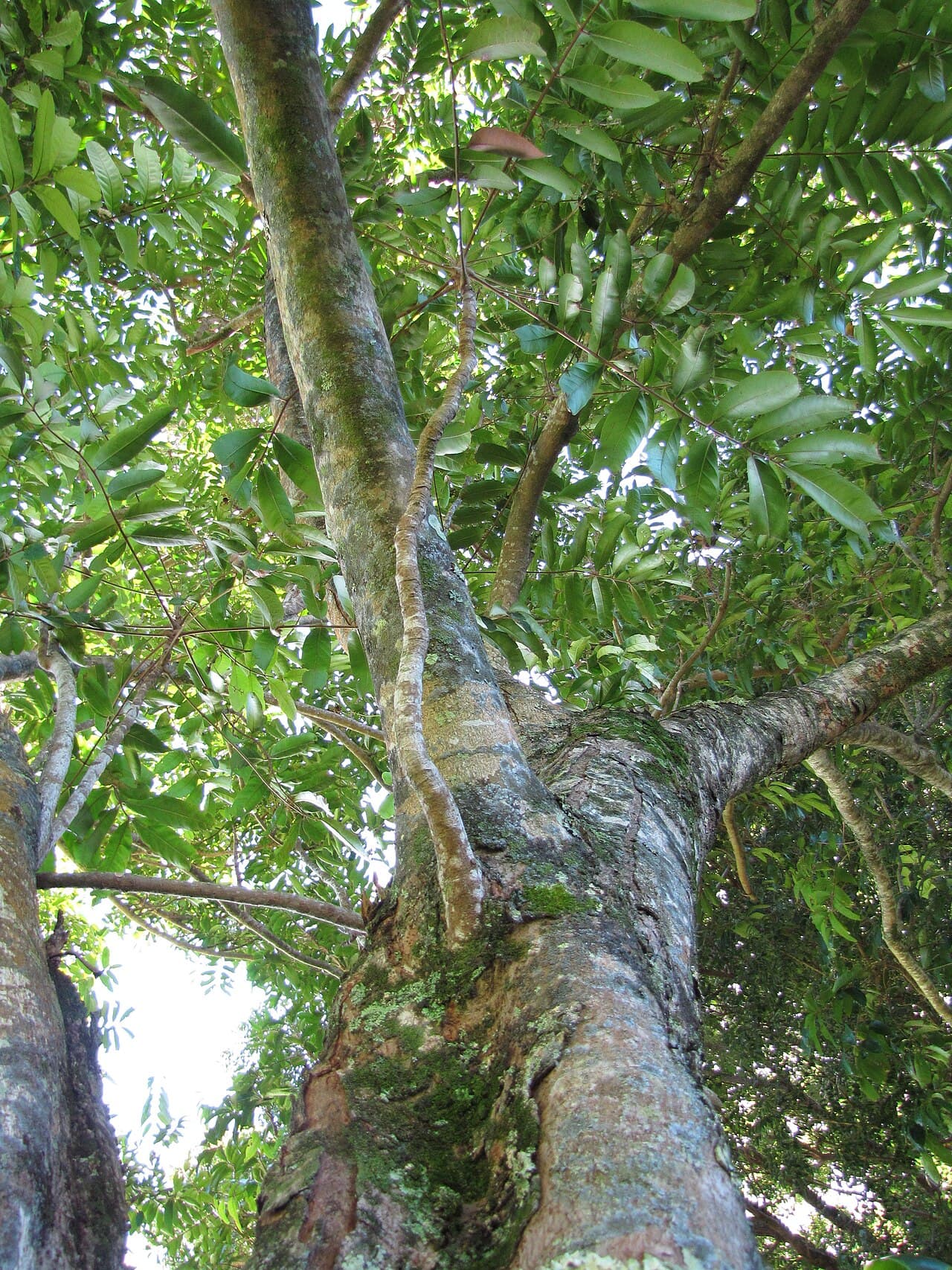
A medium-sized evergreen tree, typically 5 to 15 m tall, identifiable by its arching aerial prop roots that descend from the trunk and branches. Leaves are leathery, oval, and dark green above with a paler underside. The species reproduces via viviparous propagules: torpedo-shaped seedlings that germinate while still attached to the parent tree and drop to root in the mud below.
Ecosystem Role
Red Mangroves are foundation species. Their root systems trap sediment, dissipate wave energy, and create the sheltered, nutrient-rich nurseries that fish, crabs, and shrimp depend on. The Scarlet Ibis, T&T's national bird, roosts in mangrove canopy at Caroni Swamp; many shorebirds and waterbirds rely on the same habitat.
Protection Status
Caroni Swamp and Nariva Swamp are both designated Ramsar Sites of international importance, and Nariva is a national Environmentally Sensitive Area. Mangrove clearance is regulated under the EMA Act and the Forests Act; deliberate destruction of mangrove forest can trigger criminal penalties.
Threats
- Coastal development and reclamation
- Pollution and sedimentation from upstream agriculture
- Sea-level rise and storm-surge erosion
- Illegal cutting for charcoal and timber