Shrubs & Herbs
Shrubs & Herbs
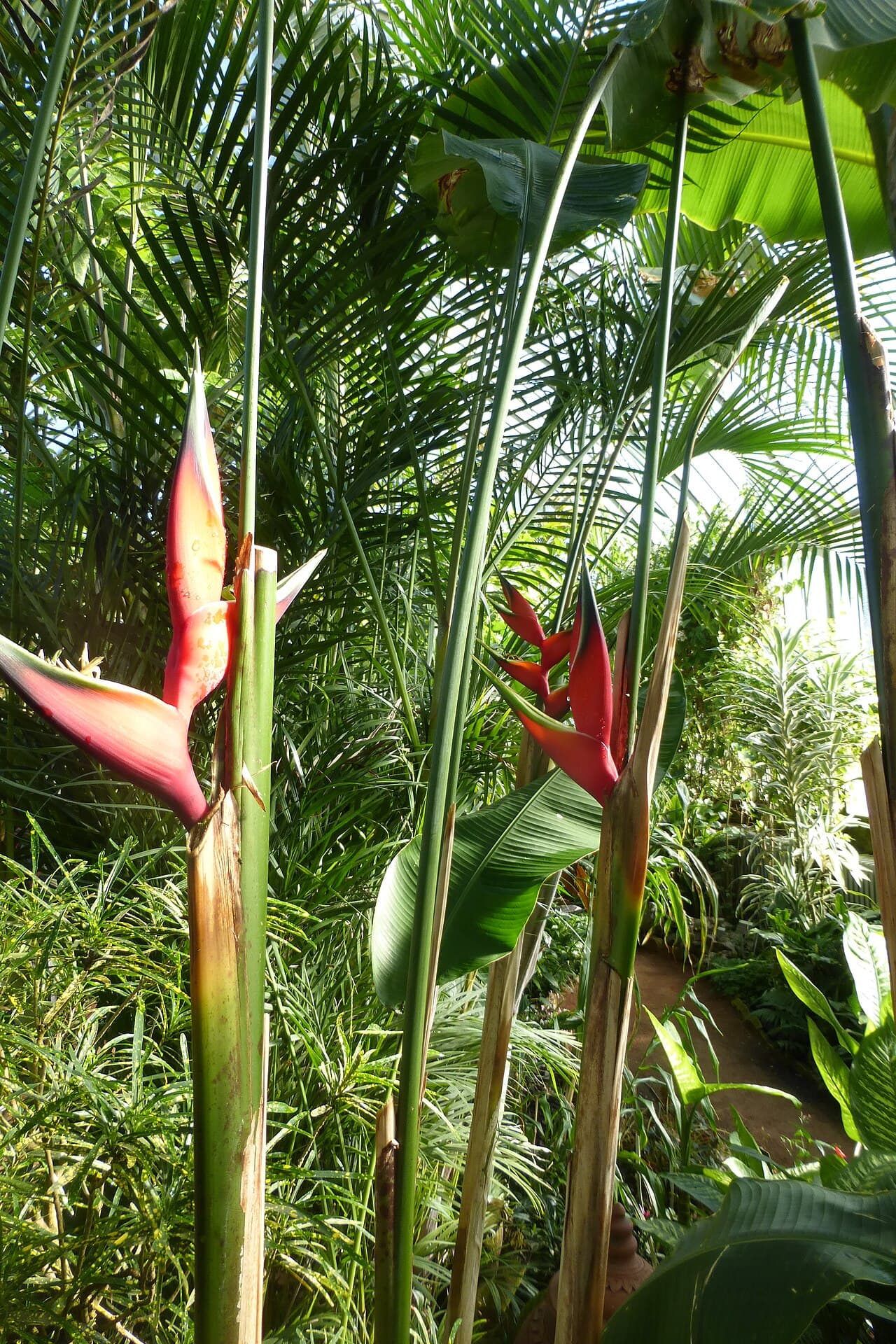
Balisier
Heliconia caribaea
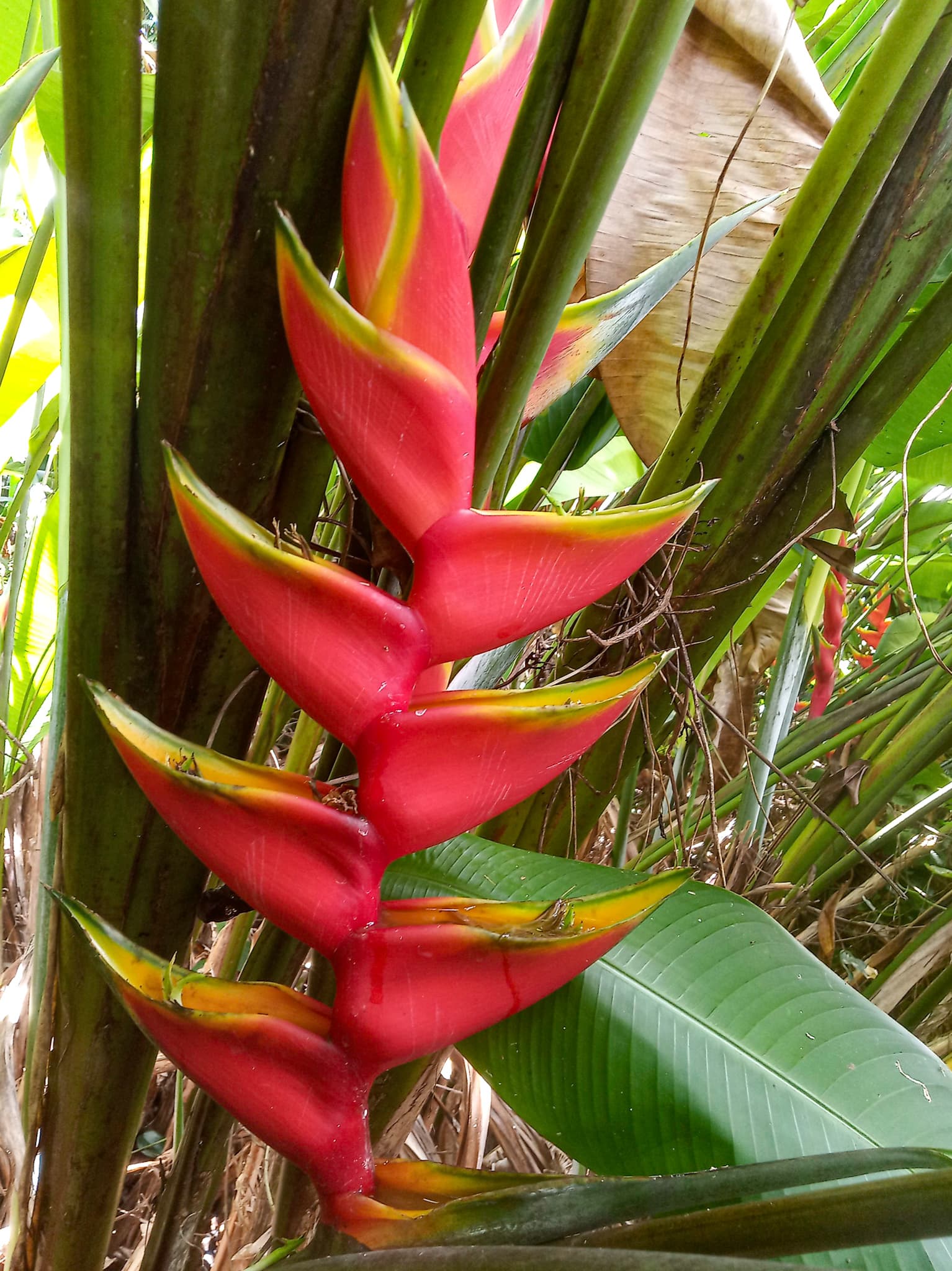
Photo: Filo gèn' (CC BY-SA 4.0)
Balisier is a tall, robust heliconia of Trinidad and Tobago's rainforest and mountain forest edges, its upright flower spikes with bold red and yellow waxy bracts among the most culturally embedded plant images in T&T.
Balisier is a tall, robust heliconia of Trinidad and Tobago's rainforest and mountain forest edges, its upright flower spikes with bold red and yellow waxy bracts among the most culturally embedded plant images in T&T. The stylised balisier leaf and inflorescence is the emblem of the People's National Movement (PNM), one of Trinidad and Tobago's oldest and most important political parties, making it one of the few native plants to have entered the country's political iconography. In the forest it provides nectar for hermit hummingbirds and shelter for small animals.
Description
One of the largest heliconias in the Caribbean, Balisier typically grows 2 to 6 metres tall from stout, spreading rhizomes, forming impressive clumps at forest margins and along streams. The leaves are very large, paddle-shaped, glossy green, and held upright on long sheaths. The inflorescence is erect, rising above the leaf canopy on a stiff stem, with large, waxy, boat-shaped bracts in deep red or red and yellow combinations enclosing rows of tubular yellow to orange flowers. Fruits are blue-black drupes. The plant is highly variable in bract colour across its range.
Cultural and Political Significance
The name "balisier" is used throughout the French Caribbean and Trinidad, derived from the Carib name for the plant. In Trinidad and Tobago the balisier flower became the symbol of the PNM, the party that led T&T to independence in 1962 under Dr Eric Williams. The image of the balisier inflorescence appears on party flags, campaign materials, and in political speeches, giving this forest plant an unusual prominence in national culture. Beyond politics, the balisier is associated with the Carnival tradition and with the broader imagery of Trinidad's tropical landscape.
Ecology
Balisier grows in humid to wet conditions: along streams, at forest edges, in secondary vegetation, and in semi-shaded clearings from sea level to moderate elevation. Like other large heliconias, it is pollinated by hermit hummingbirds with long, curved bills. The leaf axils and bract cups collect rainwater and support communities of bromeliaceous insects and tree frogs. The plant spreads vigorously by rhizome and can form large, persistent colonies at disturbed forest margins.
Threats
- Clearing of forest-edge and streamside habitat for agriculture and development
- Competition from invasive plants in disturbed secondary vegetation