Bird
Bird
Semipalmated Sandpiper
Calidris pusilla
The Semipalmated Sandpiper is one of the most abundant migratory shorebirds passing through and wintering in Trinidad, gathering in large, tightly packed flocks on the mudflats of Caroni Swamp and other coastal wetlands after breeding on Arctic tundra.
The Semipalmated Sandpiper is one of the most abundant migratory shorebirds passing through and wintering in Trinidad, gathering in large, tightly packed flocks on the mudflats of Caroni Swamp and other coastal wetlands after breeding on Arctic tundra.
Identification
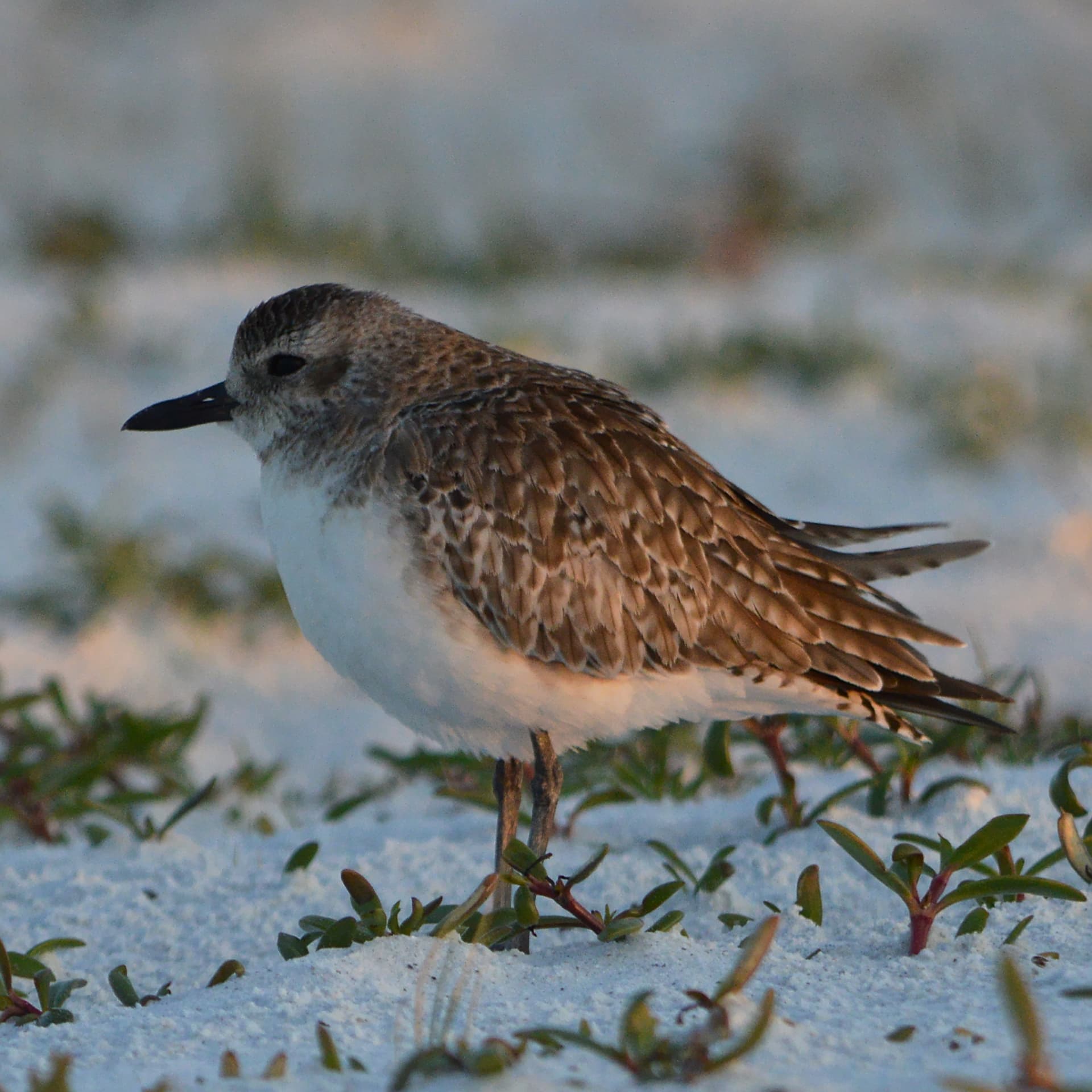
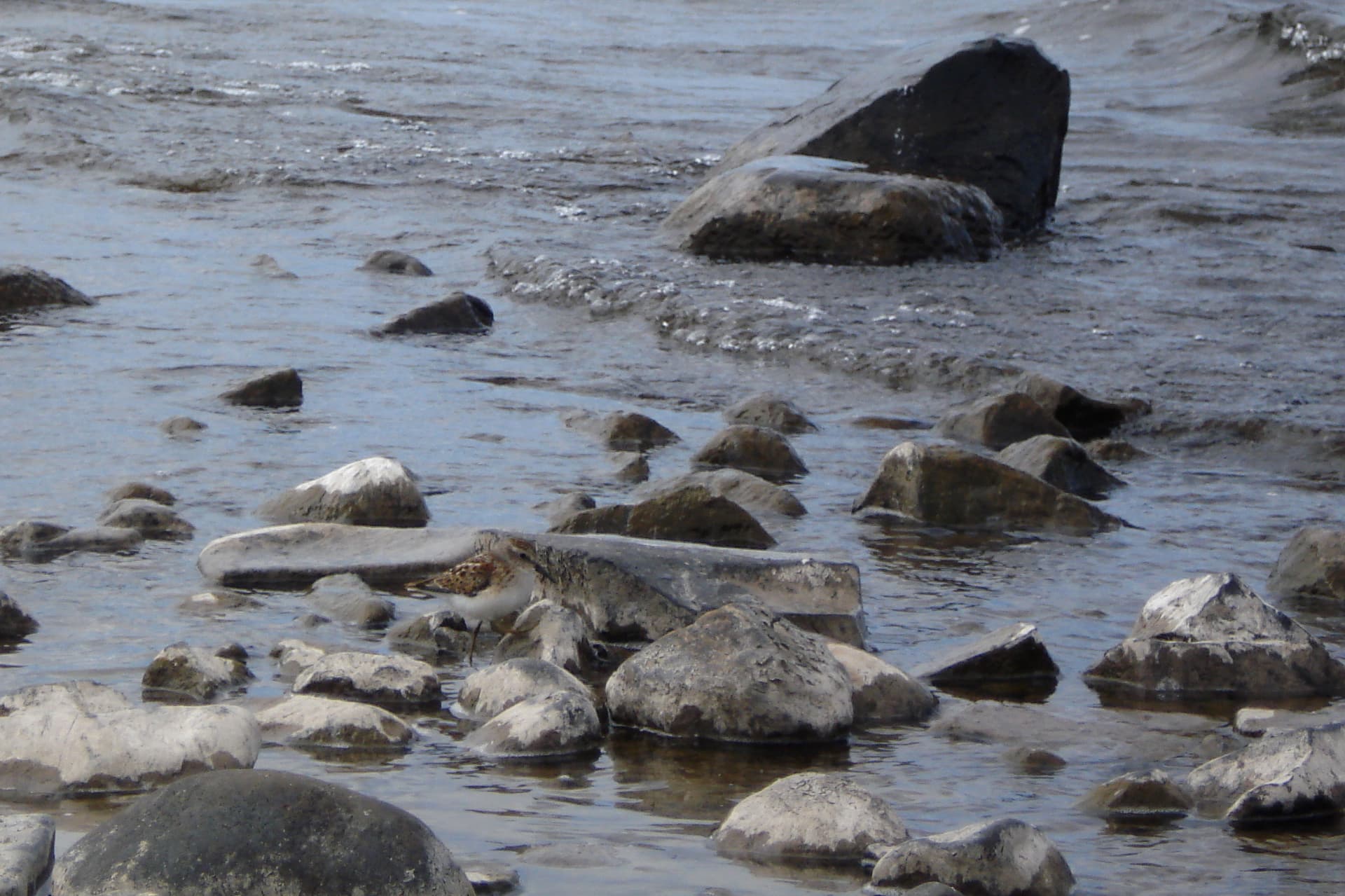
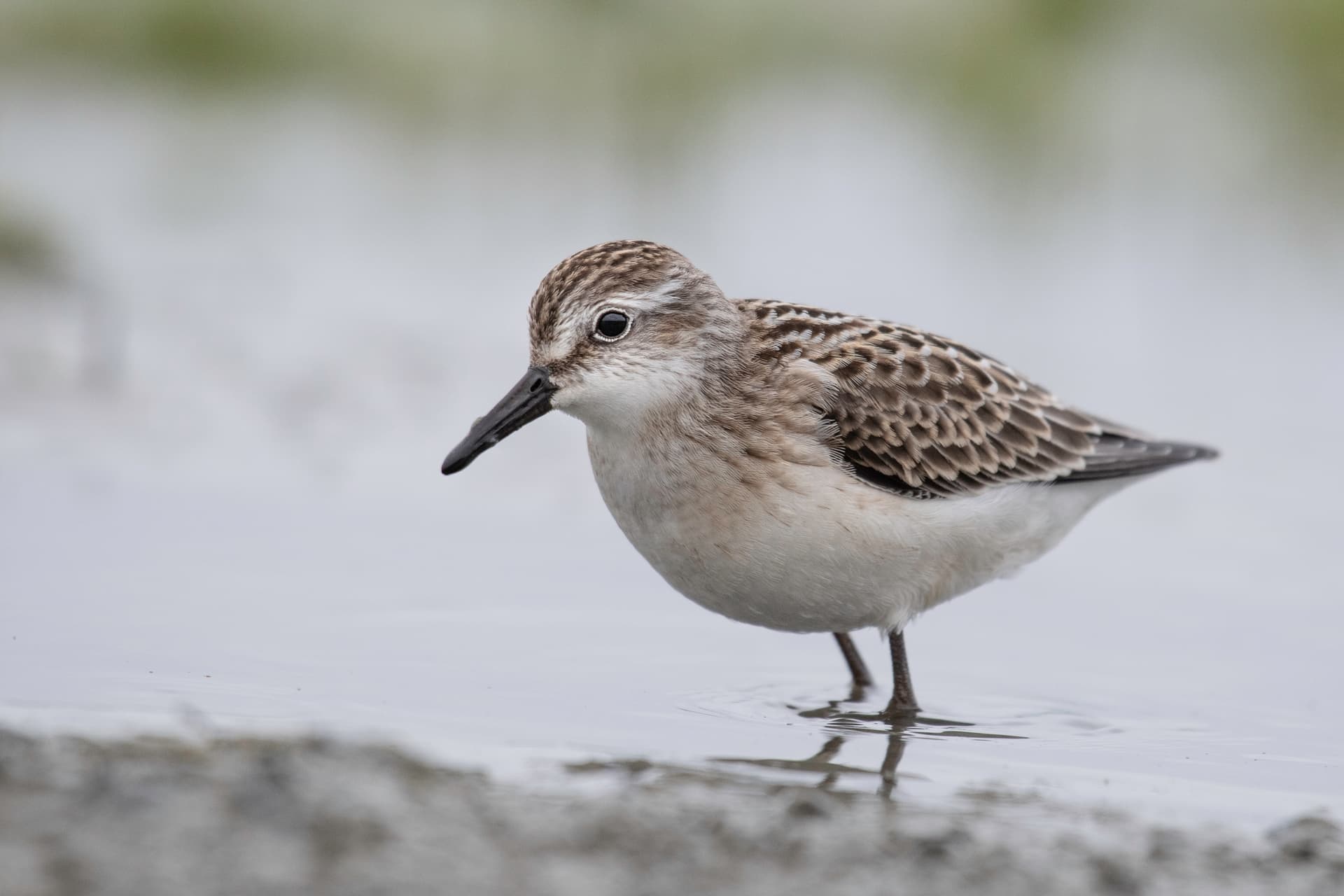
A small sandpiper around 14 to 17 cm long, with grey-brown upperparts, a streaked breast, and black legs, distinguishing it from the yellowish-legged Least Sandpiper with which it often associates. Its bill is straight and blunt-tipped, and small webbing between the front toes gives the species its name, though rarely visible in the field.
Migration
A very common non-breeding migrant and passage bird present in Trinidad roughly from July to May, having bred on Arctic tundra across northern Canada and Alaska. It is one of the most numerous shorebirds wintering in the Caribbean and South America, and is largely absent from Trinidad outside this period.
Status in T&T
Abundant on mudflats and coastal wetlands across Trinidad during passage and the non-breeding season, particularly at Caroni Swamp, often forming large, dense flocks. Not threatened at present, though globally its populations are monitored closely due to habitat loss along the flyway. It is protected as a migratory species under the Conservation of Wildlife Act.
Threats
- Loss of coastal mudflat stopover and wintering habitat along the flyway