Amphibian
Amphibian
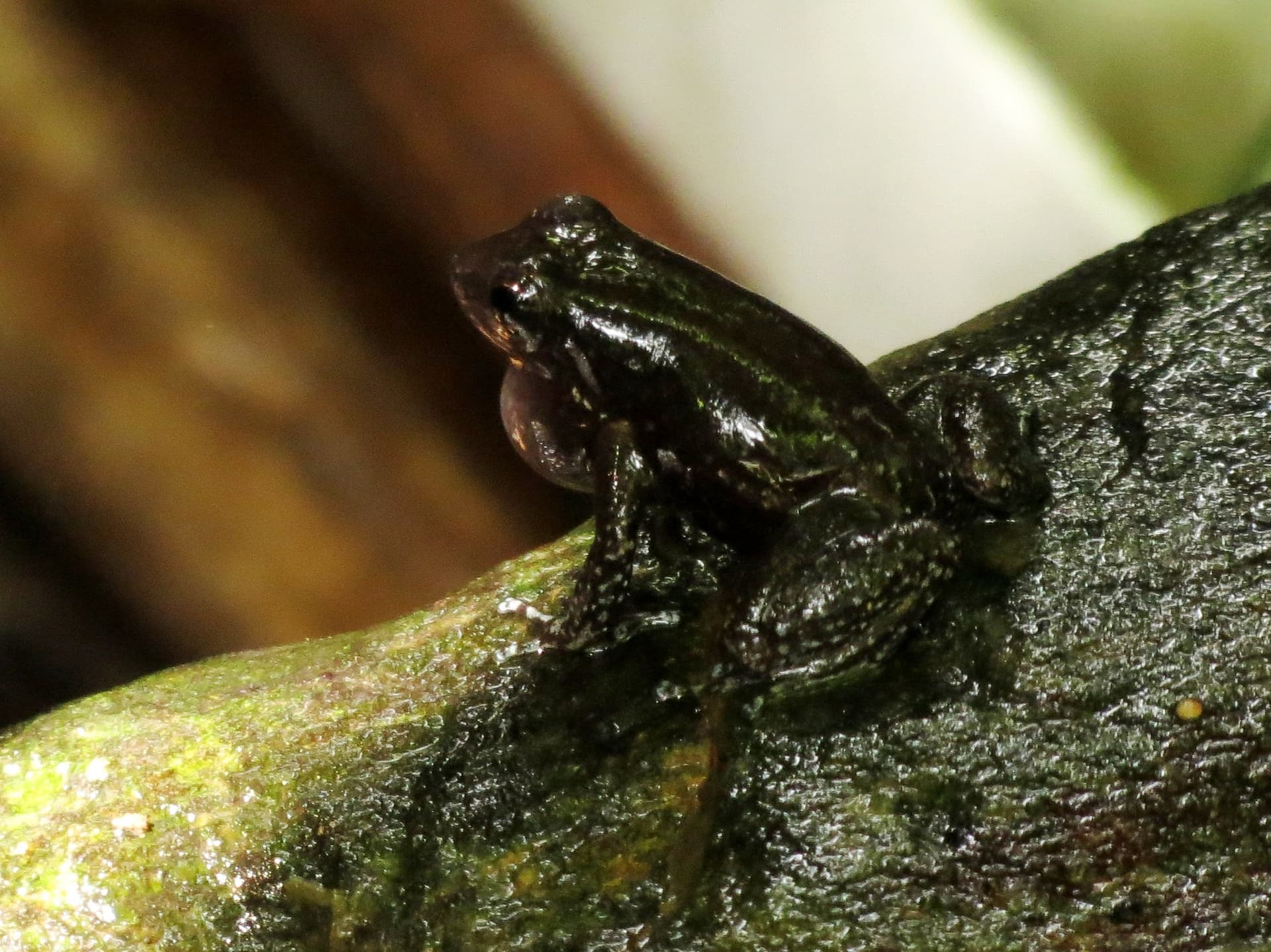
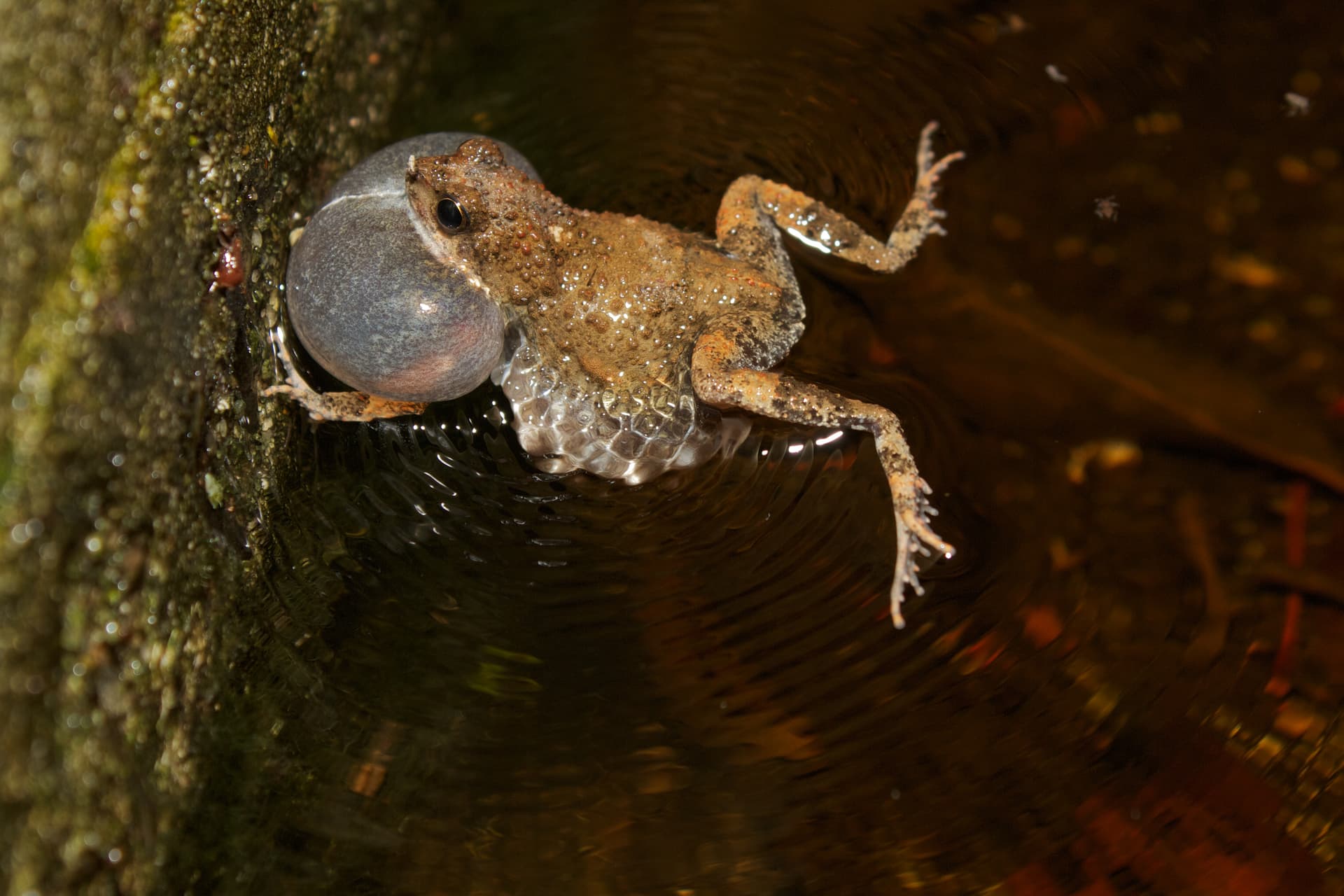
Paradoxal Frog
Pseudis paradoxa
The Paradoxal Frog earns its name from a striking oddity: its tadpole grows far larger than the adult frog it eventually becomes, shrinking dramatically during metamorphosis rather than growing, a developmental pattern found in almost no other vertebrate.
The Paradoxal Frog earns its name from a striking oddity: its tadpole grows far larger than the adult frog it eventually becomes, shrinking dramatically during metamorphosis rather than growing, a developmental pattern found in almost no other vertebrate.
Identification
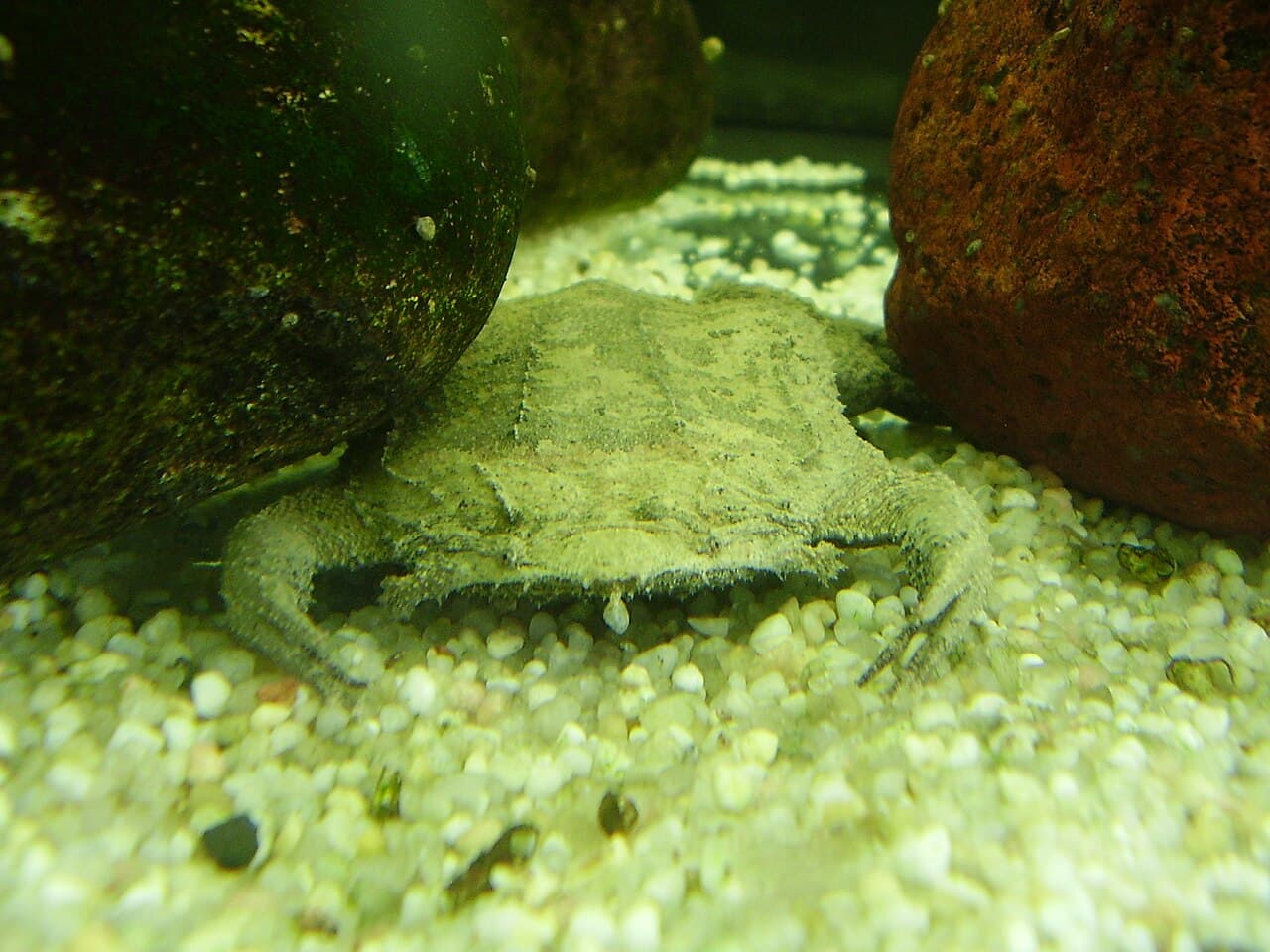
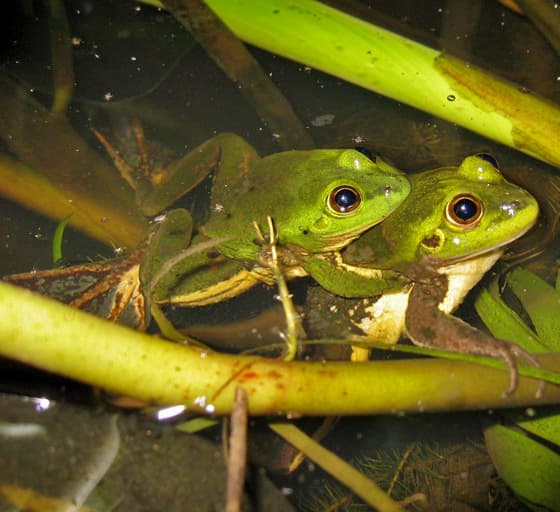
A fully aquatic frog with a streamlined body and strongly webbed hind feet for swimming, reaching only 5 to 7 cm as an adult, despite tadpoles of the same species that can grow to 20 cm or more before metamorphosis, sometimes several times longer than the adult frog they become.
Ecology
Almost entirely aquatic as both tadpole and adult, rarely leaving still or slow-moving freshwater bodies such as swamps, ponds, and flooded grassland. Its outsized tadpole is one of the more unusual developmental strategies among frogs; the exact adaptive advantage of growing to such disproportionate size before shrinking through metamorphosis remains a subject of scientific interest, with hypotheses ranging from predator avoidance to more efficient use of temporary abundant food in the tadpole stage.
In Trinidad and Tobago
Found in Trinidad's swamps and permanent freshwater wetlands, including Nariva, where suitable still water persists year-round to support its fully aquatic lifestyle.
Threats
- Wetland drainage and pollution