Bird
Bird
House Wren
Troglodytes aedon
The House Wren is a small, plain, energetic songbird found around gardens, buildings, and forest edge across Trinidad and Tobago, its loud, bubbling, cheerful song far exceeding what might be expected from such a small and drab-looking bird.
The House Wren is a small, plain, energetic songbird found around gardens, buildings, and forest edge across Trinidad and Tobago, its loud, bubbling, cheerful song far exceeding what might be expected from such a small and drab-looking bird.
Identification
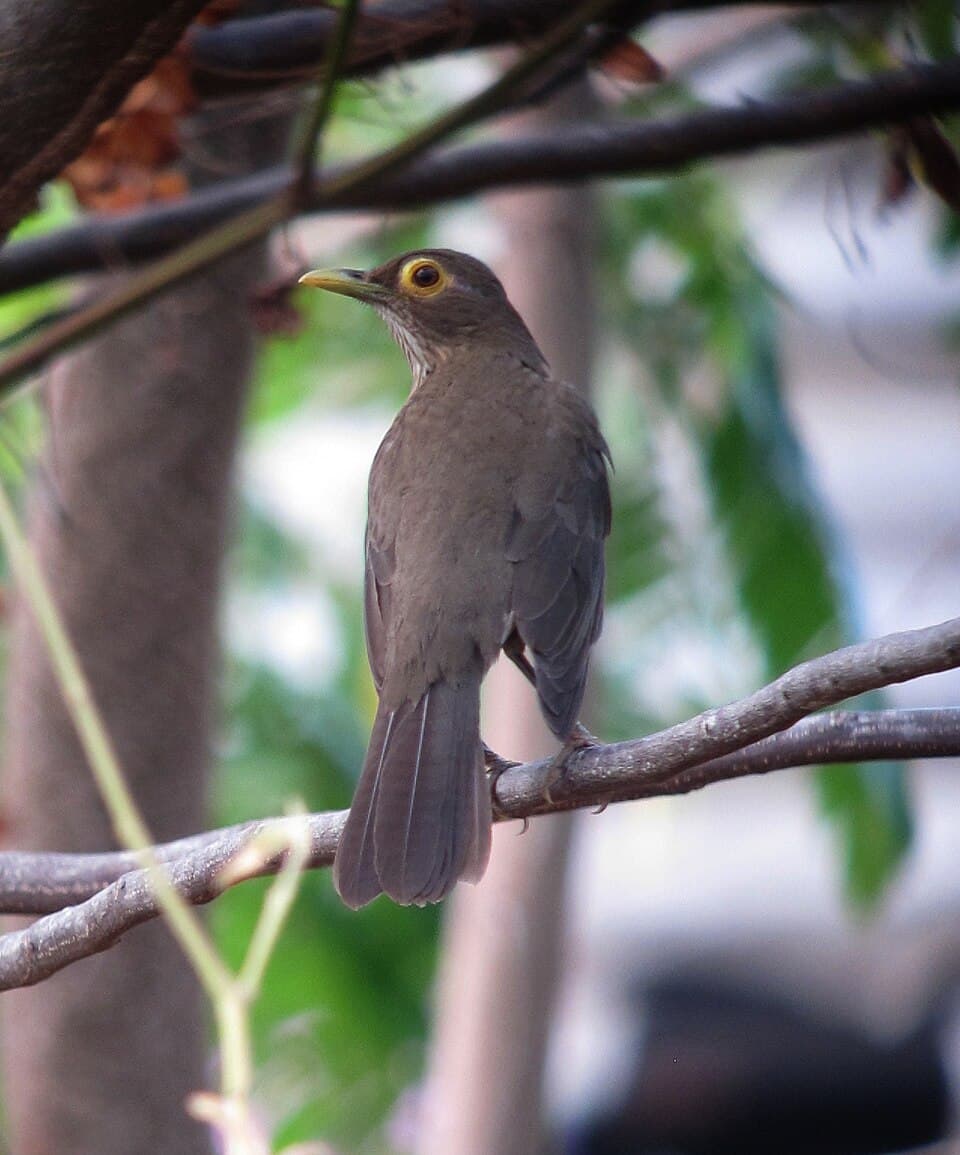
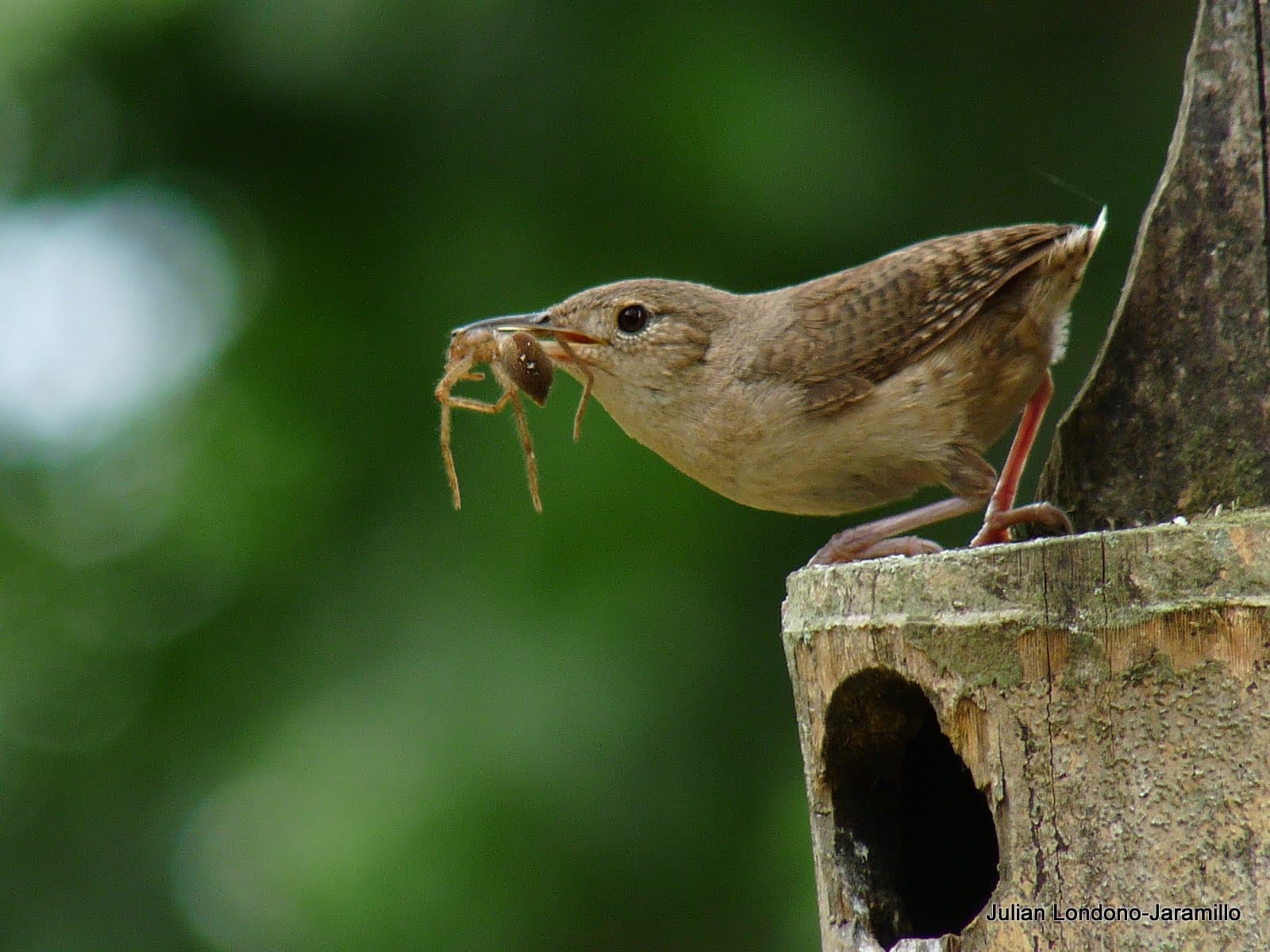
A small bird around 11 to 13 cm long, uniformly brown above with fine dark barring on the wings and tail, and paler, greyish-brown underparts. It has a short, often cocked tail and a thin, slightly downcurved bill, typical of wrens as a family. Its plain, unremarkable plumage is offset by an animated, restless manner and a loud, distinctive voice.
Ecology
The House Wren feeds on insects and spiders, gleaned actively from low vegetation, brush piles, and building crevices, foraging with characteristic energetic, cocked-tail movement. It readily nests in cavities close to human habitation, including birdhouses, building crevices, and hollow fence posts, and is known for an unusually loud and complex bubbling song for its small size, often delivered from a low, prominent perch.
Status in T&T
Common in gardens, forest edge, and areas near human habitation across both Trinidad and Tobago. It is not threatened and thrives alongside human settlement. It is protected under the Conservation of Wildlife Act and is not a game species.
Threats
- No significant threats; thrives alongside human settlement