Invertebrate
Invertebrate
Heliconius (Passion Vine Butterfly)
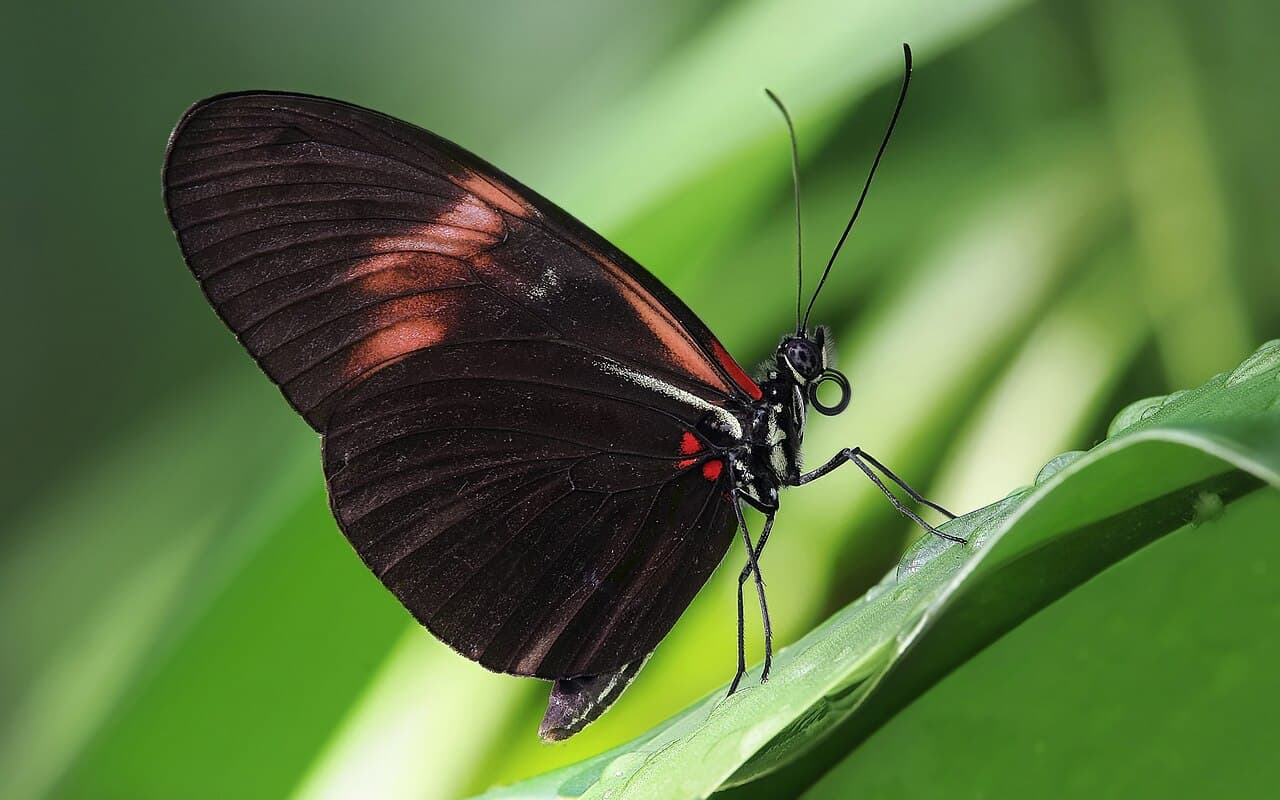
Heliconius melpomene
The Heliconius, or passion vine butterfly, is a slow-flying, long-lived, brightly patterned butterfly whose toxic, warning-coloured wings and complex mimicry relationships with other species have made it a cornerstone of evolutionary biology research since the work of Henry Walter Bates and Fritz Muller in the nineteenth century.
The Heliconius, or passion vine butterfly, is a slow-flying, long-lived, brightly patterned butterfly whose toxic, warning-coloured wings and complex mimicry relationships with other species have made it a cornerstone of evolutionary biology research since the work of Henry Walter Bates and Fritz Muller in the nineteenth century.
Identification
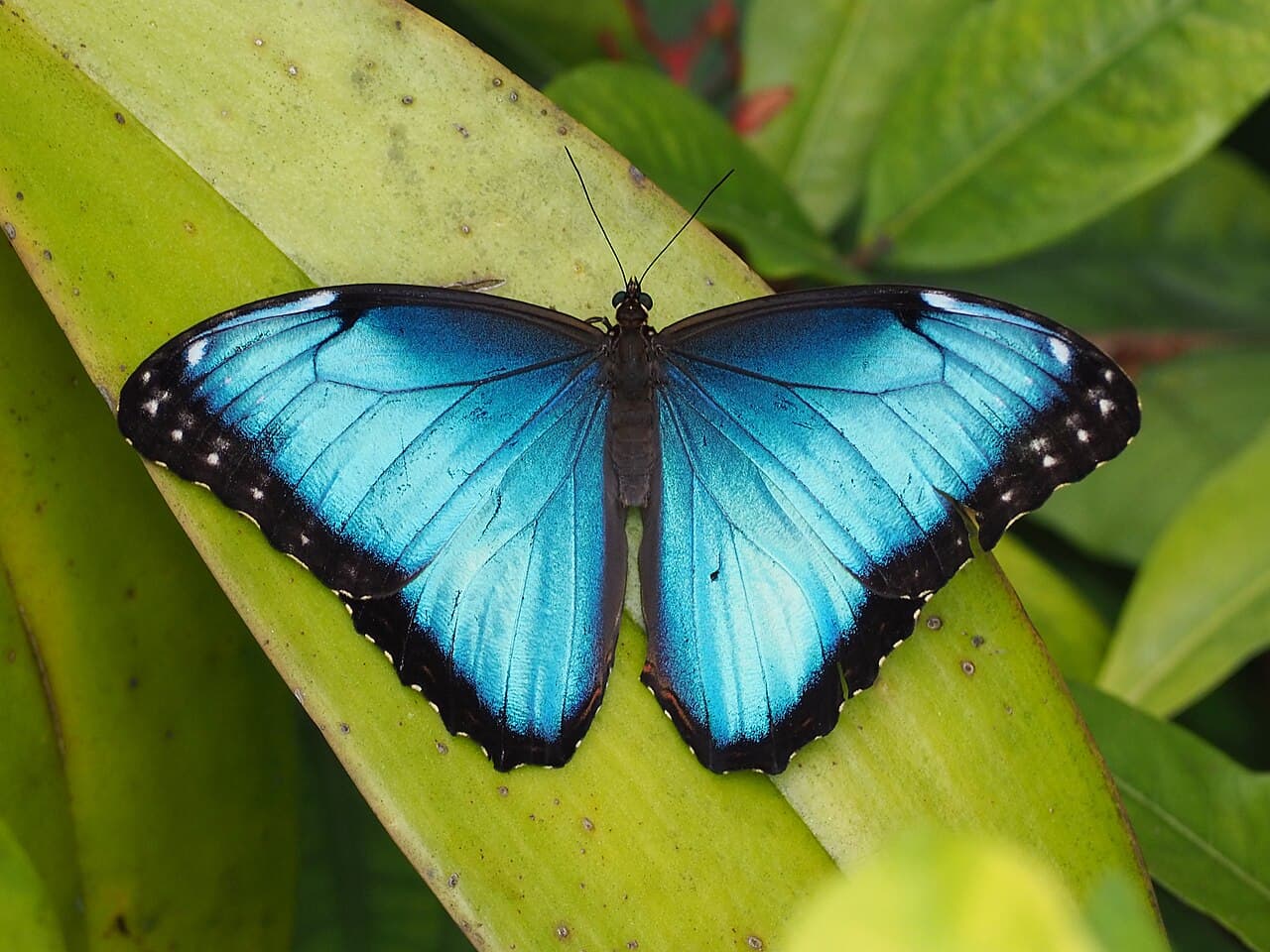
A narrow-winged, elongated butterfly with bold black, red, and yellow patterning that advertises its toxicity to predators (aposematic colouration). Wingspan is typically 7 to 9 cm, with wing shape and pattern details varying between the many geographic races of this wide-ranging and highly variable species.
Ecology
Caterpillars feed exclusively on passion vine (Passiflora) leaves, sequestering the plant's toxic cyanogenic compounds in their own tissues, which makes both larvae and adults distasteful and even mildly poisonous to predators. Adults are unusually long-lived for butterflies, surviving several months rather than the days or weeks typical of most species, a longevity supported by their unique ability to feed on pollen as well as nectar; digested pollen supplies amino acids that adult Heliconius use for ongoing egg production and tissue maintenance throughout their extended lifespan. Different Heliconius species and even different populations of the same species mimic one another's warning wing patterns, a phenomenon named Mullerian mimicry after Fritz Muller, in which multiple toxic species converge on a shared warning signal so that predators learn to avoid the pattern faster, benefiting all species that share it.
In Trinidad and Tobago
Found in forest edge and clearings with passion vine host plants on both islands, flying with a characteristic slow, floating flight that reflects its chemical defences and confidence that predators will avoid it.
Threats
- Loss of passion vine host plants through forest clearance