Bird
Bird
Boat-billed Heron
Cochlearius cochlearius
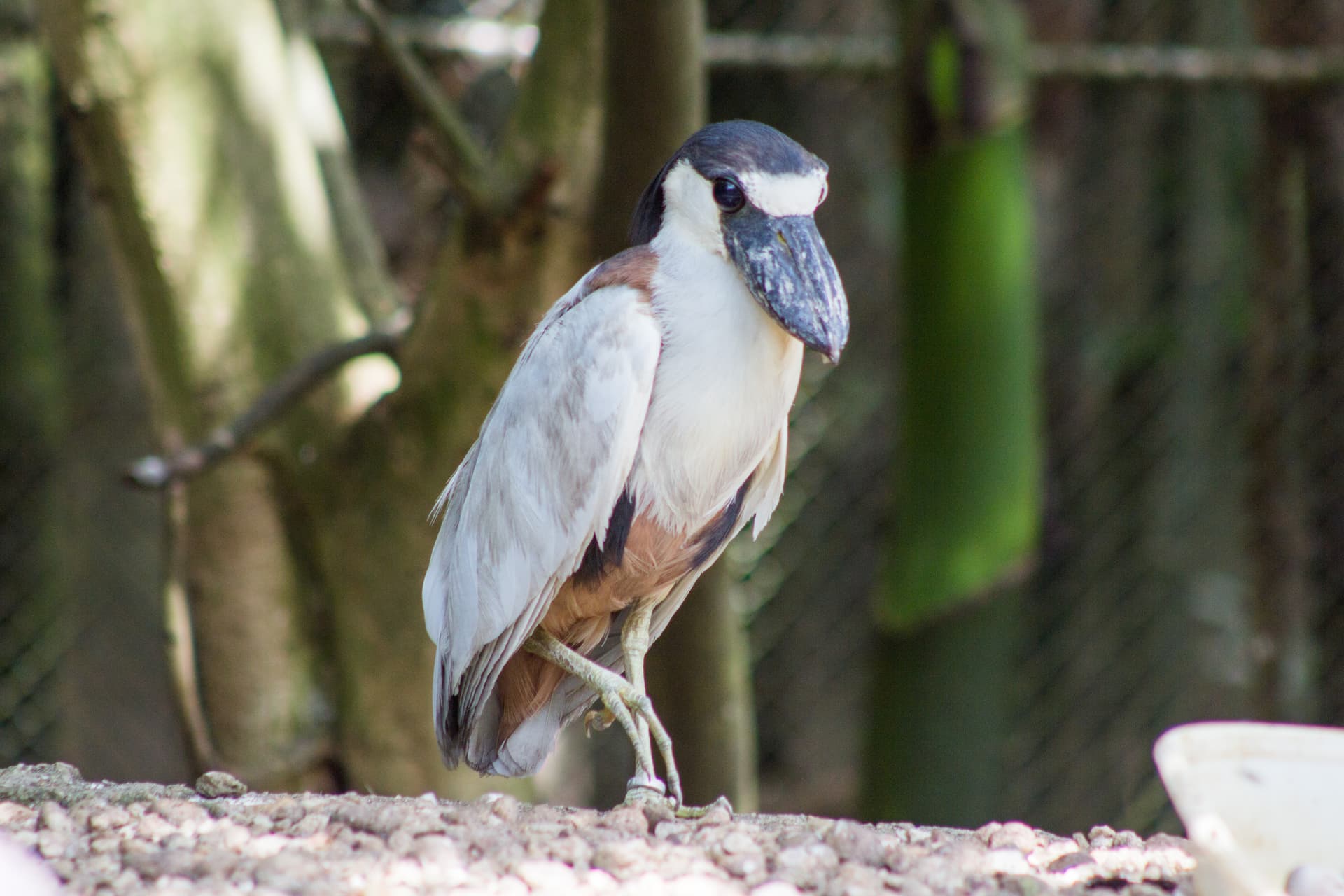
The Boat-billed Heron is one of the most bizarre and distinctive herons in the Americas, immediately recognisable by its enormous, broad, scooped bill that resembles the hull of a boat and is unlike any other heron bill in the world.
The Boat-billed Heron is one of the most bizarre and distinctive herons in the Americas, immediately recognisable by its enormous, broad, scooped bill that resembles the hull of a boat and is unlike any other heron bill in the world. Nocturnal, secretive, and found in mangroves and forested river margins on Trinidad, it roosts in dense vegetation by day and emerges at night to hunt, using its wide bill to scoop up prey in shallow water. The combination of the extraordinary bill, large black-and-white eyes adapted for night vision, and secretive habits makes it one of the most sought-after and memorable sightings in T&T.
Identification
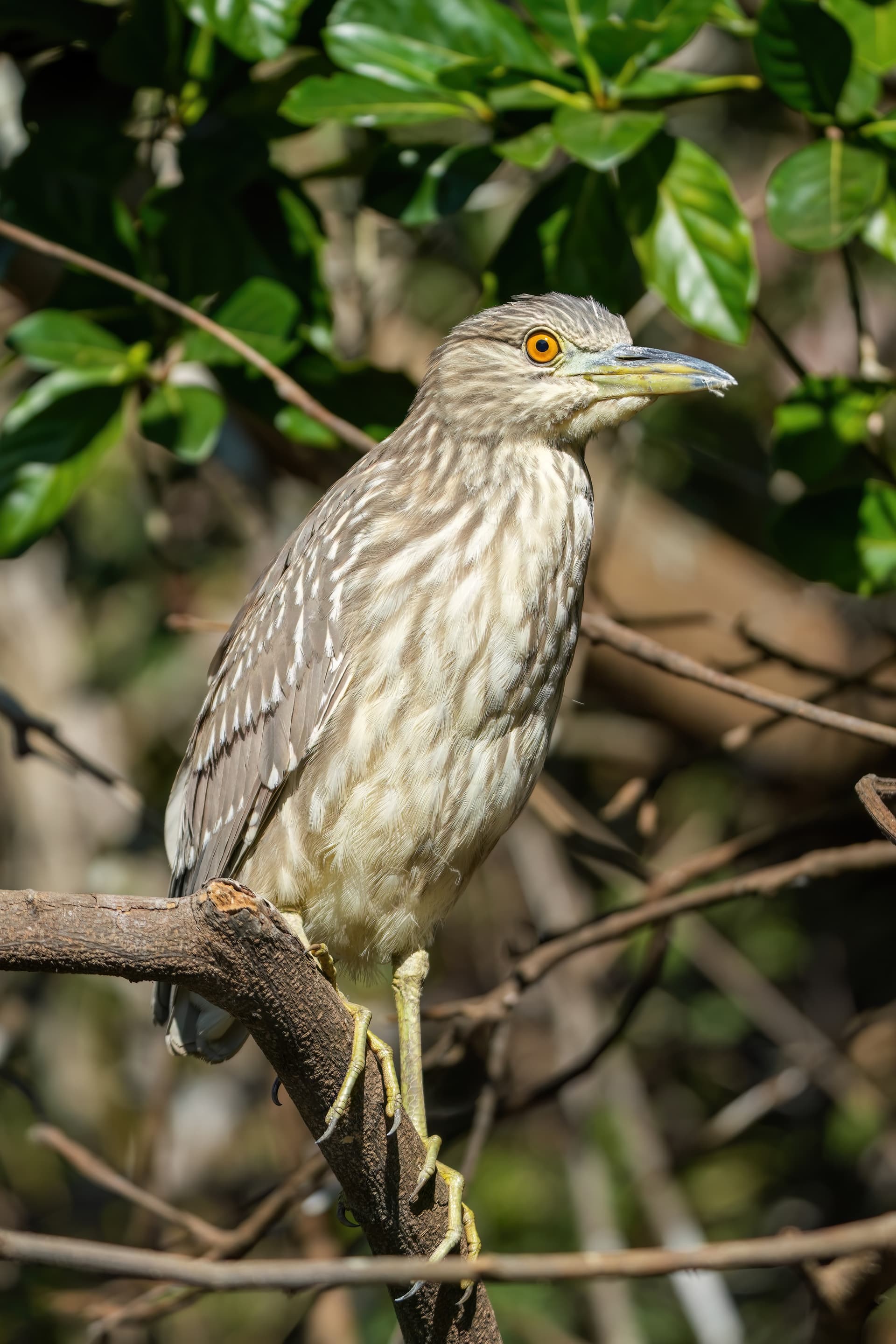
The Boat-billed Heron measures 46 to 56 cm. The most distinctive feature is the bill: enormously broad, flattened, and scooped, with a width and depth far exceeding any other heron and resembling an upturned boat hull. The crown and back are black; the face and throat are white; the breast is pale rufous; the flanks are black. The eyes are very large and black, an adaptation to nocturnal hunting. A short black crest is frequently raised when the bird is alert. The bill is pale greenish-grey. Juveniles are brown above with a less dramatically developed bill. In silhouette the huge bill is diagnostic even in poor light.
Ecology
Boat-billed Herons are nocturnal hunters of shallow water, using the enormous bill to scoop prey from the water surface or shallow depths rather than the stabbing technique of most herons. Diet includes fish, shrimp, frogs, small crabs, and large insects. By day they roost motionless in dense mangrove or riparian vegetation, relying on camouflage and stillness to avoid detection. They nest colonially, often in mixed heronries in mangroves. The broad bill may also function in reducing water splash noise during foraging, helping to avoid alerting prey, and in thermoregulation.
Status in T&T
The Boat-billed Heron is found on Trinidad in mangroves and forested river margins, particularly in the Caroni and Nariva swamp systems. It does not occur on Tobago. It is uncommon and more often heard (a low, nasal call) than seen due to its nocturnal habits. The species is fully protected under the Conservation of Wild Life Act and is not a game species. Mangrove preservation is critical for its continued presence in T&T.
Threats
- Mangrove clearance removing roost and nesting habitat
- River pollution reducing prey availability
- Night-time disturbance of foraging areas