Trees
Trees
Tonka Bean
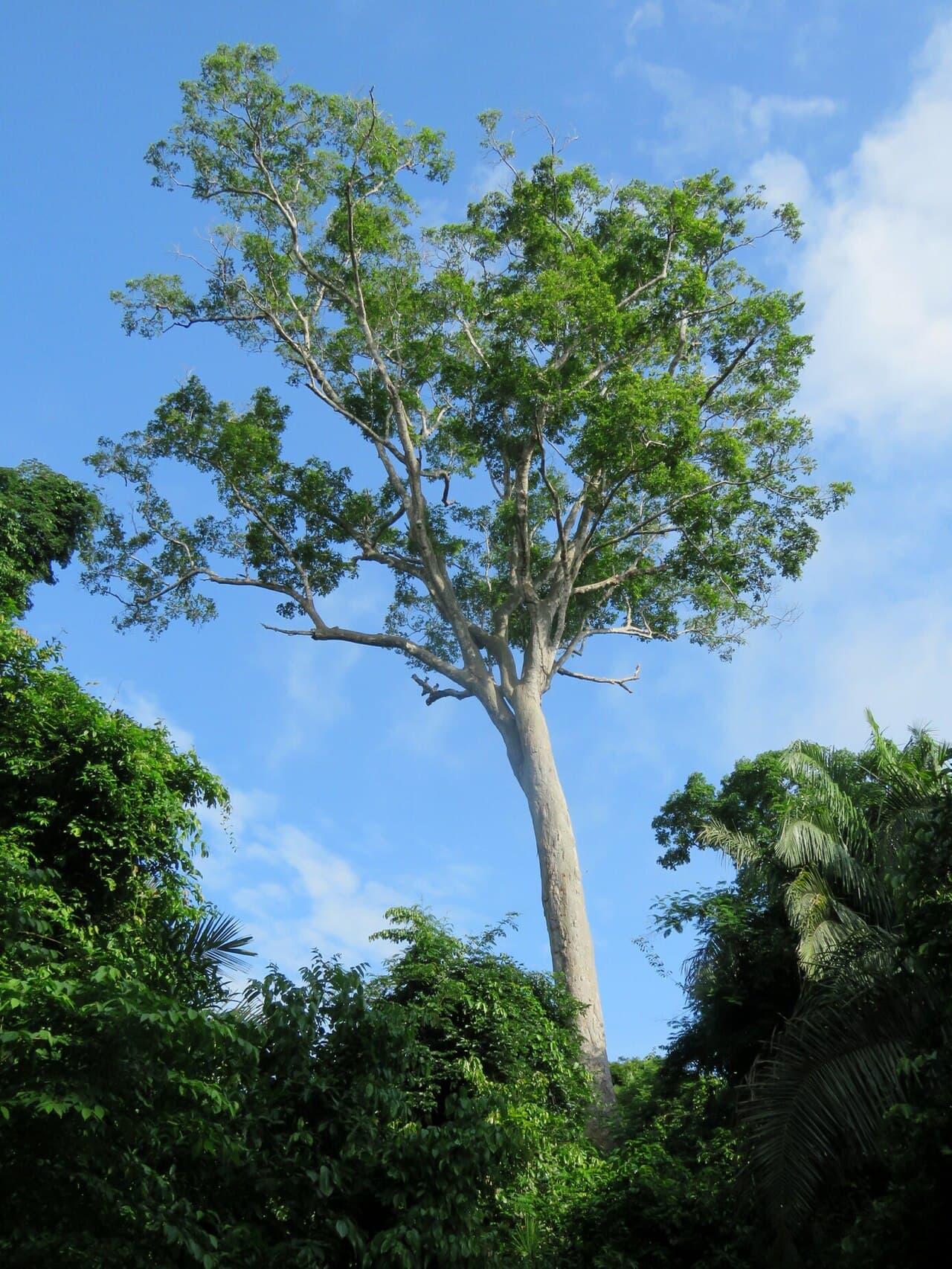
Dipteryx odorata
Photo: Wikimedia Commons contributor · Vaca Diez, Bolivia (CC BY 4.0)
The Tonka Bean tree is a large, aromatic rainforest legume whose seeds are among the most fragrant natural products in the world, containing high concentrations of coumarin and historically prized in perfumery, tobacco blending, and traditional medicine.
The Tonka Bean tree is a large, aromatic rainforest legume whose seeds are among the most fragrant natural products in the world, containing high concentrations of coumarin and historically prized in perfumery, tobacco blending, and traditional medicine. Native to tropical South America and present in Trinidad's northern rainforests, it produces small pink flowers and a woody, plum-like pod containing a single deeply fragrant seed. Tonka beans were once an important export commodity from Trinidad and remain commercially valuable today.
Description
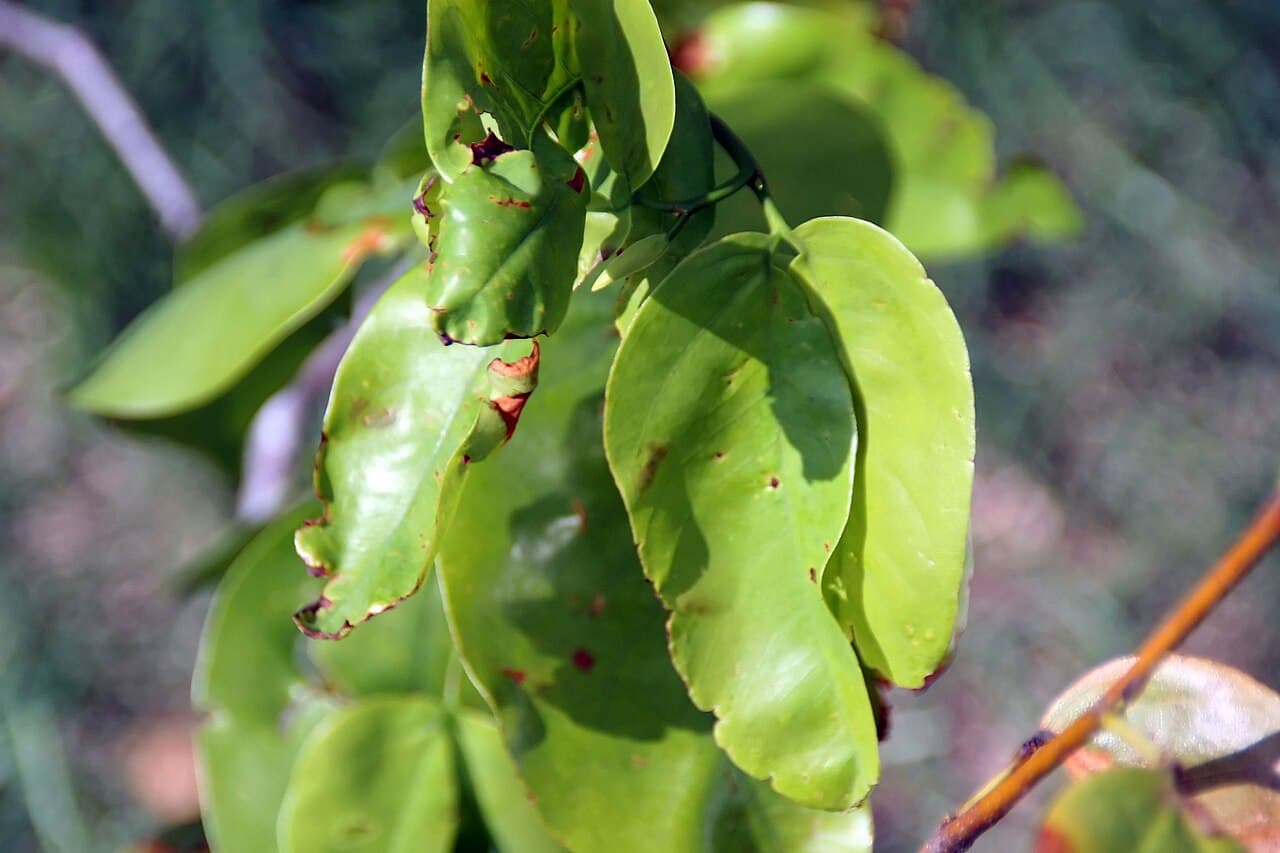
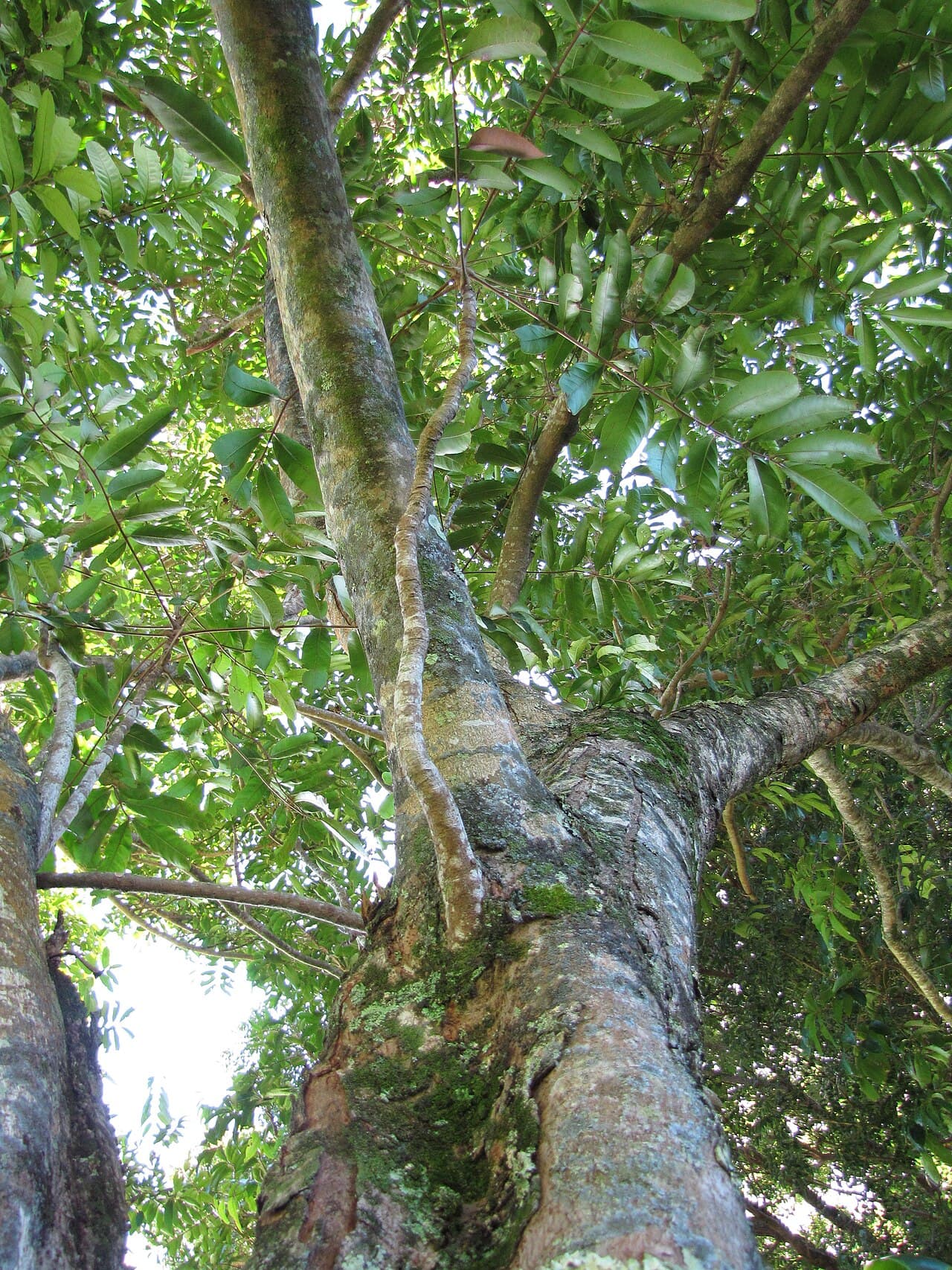
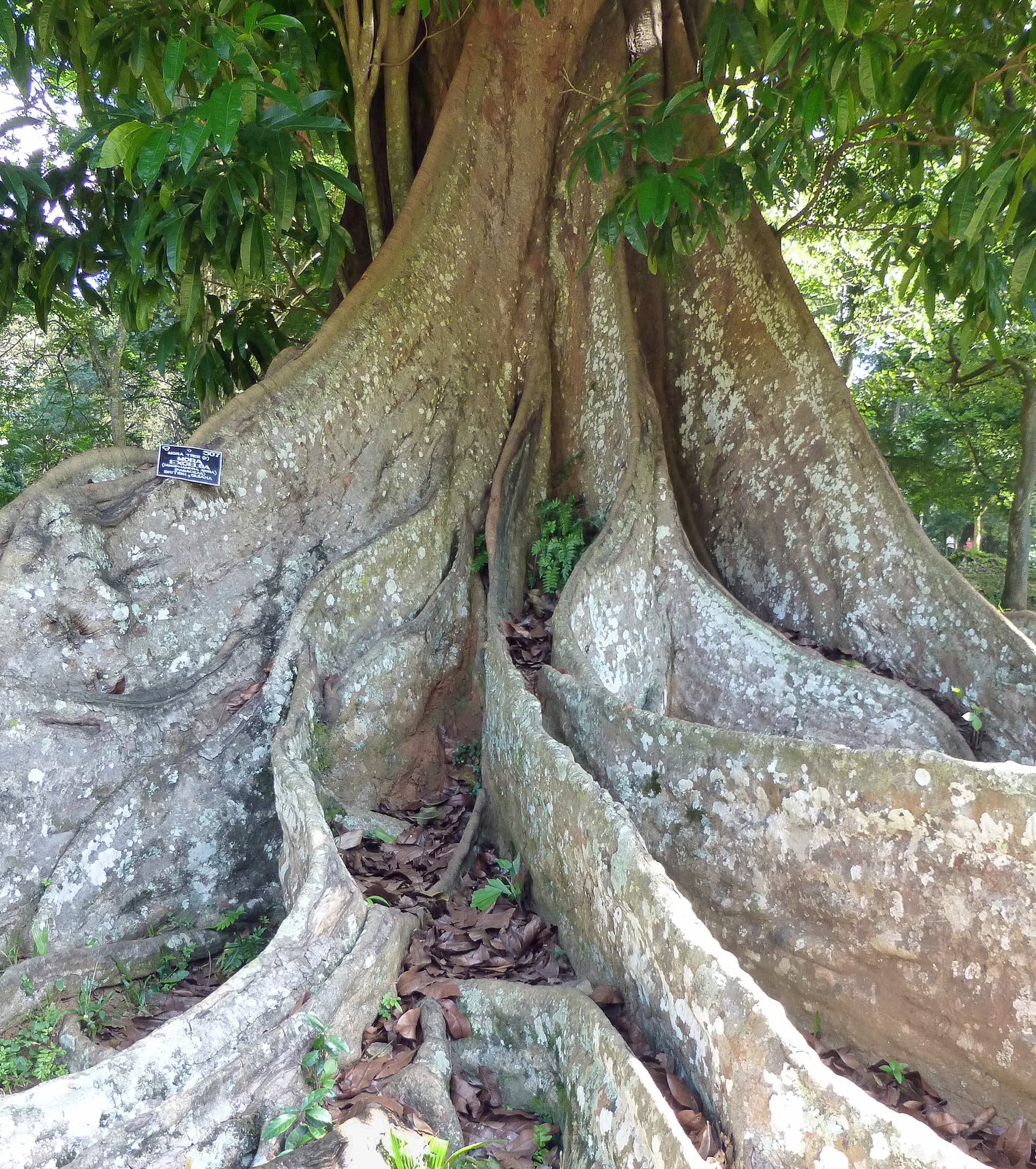
A large, spreading evergreen tree growing 25 to 40 metres tall in forest conditions, with a straight cylindrical trunk and dense, rounded crown. Bark is grey to brown, smooth to slightly fissured. Leaves are pinnately compound with 4 to 6 pairs of elliptic, leathery leaflets. Flowers are small, fragrant, pink to pale purple, produced in large terminal panicles and attractive to bees and other pollinators. The fruit is a smooth, woody, indehiscent pod (drupe-like) about 5 to 7 cm long, resembling a plum; it encloses a single elongated seed - the tonka bean - that is dark, wrinkled, and intensely fragrant when dried, smelling of vanilla, almonds, and hay due to its high coumarin content.
Ecology
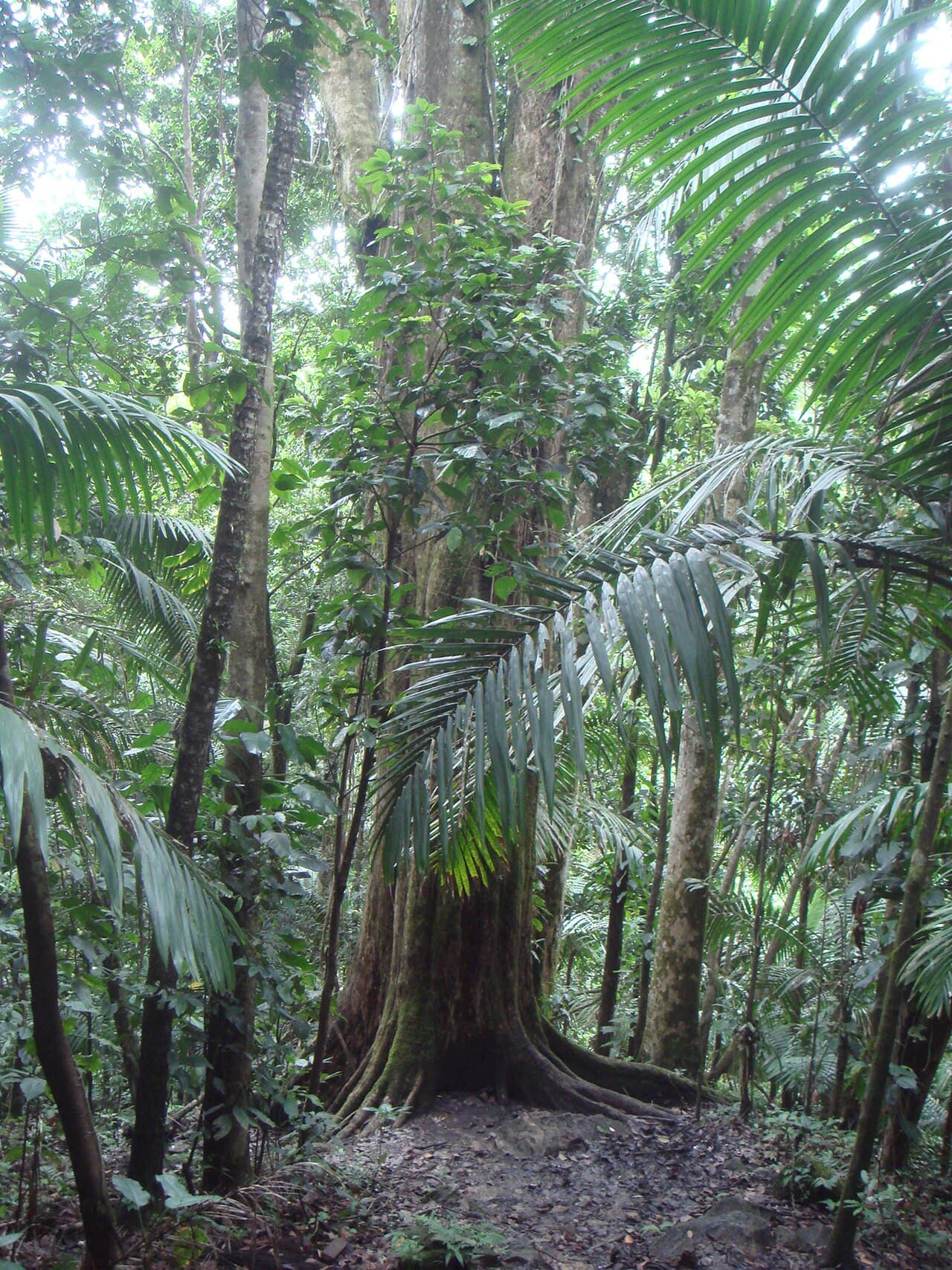
Dipteryx odorata grows in humid lowland and lower-montane rainforest in Trinidad, particularly in the Northern Range. The fleshy pod is eaten by large mammals, and seeds are dispersed by agoutis and other rodents that bury them. The tree is a component of mature rainforest communities and is associated with high-canopy closed-forest habitats. Its flowers are an important nectar resource for forest bees.
Economic History
Tonka beans were historically exported from Trinidad and Venezuela to Europe in significant quantities for use in perfumery, as a tobacco flavouring (to scent pipe tobacco and snuff), and in food flavouring. Coumarin, the active compound, is a natural anticoagulant and its use in food has been restricted in some jurisdictions, though tonka beans remain a prized ingredient among high-end chocolatiers and perfumers. Traditional T&T bush medicine uses include the beans as an insect repellent and for respiratory complaints.
Threats
- Selective seed harvesting
- Rainforest margin clearance