Trees
Trees
Pink Poui
Tabebuia rosea
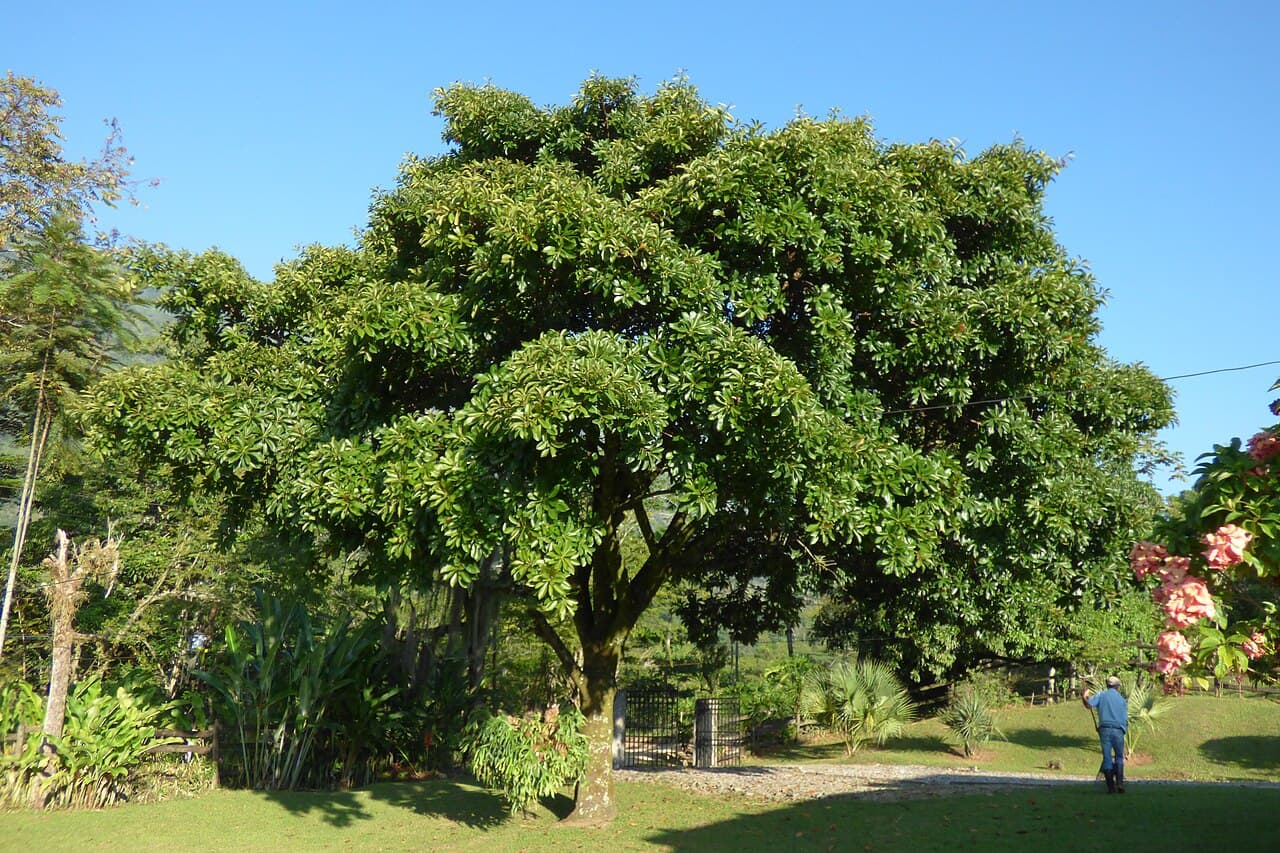
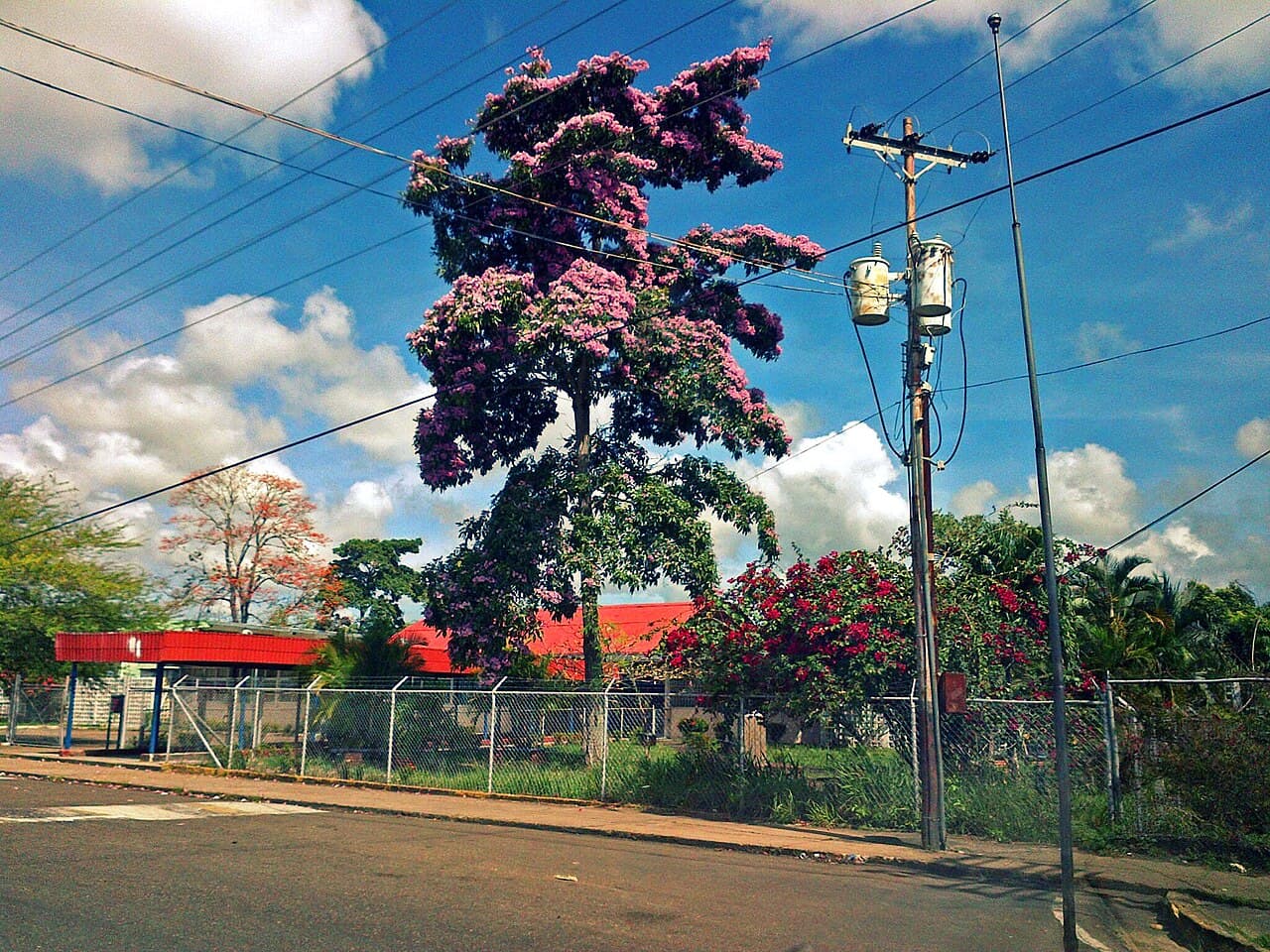
Photo: Wikimedia Commons contributor · Maturín, Venezuela (CC BY-SA 4.0)
The Pink Poui is one of the most spectacular flowering trees in Trinidad and Tobago, producing masses of large, trumpet-shaped pink blossoms before the new leaves emerge at the start of the dry season.
The Pink Poui is one of the most spectacular flowering trees in Trinidad and Tobago, producing masses of large, trumpet-shaped pink blossoms before the new leaves emerge at the start of the dry season. Along roadsides and in semi-deciduous forest, a tree in full bloom is a striking sight, its bare branches covered entirely in clusters of rose-pink flowers. It is widely planted as an ornamental across T&T and is one of several poui species that herald the seasonal transition from dry to wet.
Description
A medium to large semi-deciduous tree typically 15 to 30 metres tall, with a straight trunk and broadly spreading crown. Bark is grey-brown and fissured. Leaves are palmately compound with five leaflets, deep green, and shed during the dry season before flowering. The flowers are the defining feature: large (5 to 7 cm), trumpet-shaped, bright rose-pink to pale lavender-pink with a yellow throat, borne in showy terminal clusters on bare branches. Each flower cluster contains 5 to 25 blooms. Fruits are long, slender, bean-like pods 20 to 35 cm long, splitting to release many thin, papery-winged seeds that disperse on the wind.
Ecology
Pink Poui grows naturally in seasonal and semi-deciduous forest, particularly on deeper, well-drained soils in Trinidad's central and southern regions and in Tobago's lower hillsides. The mass flowering event, which occurs for a short window of one to two weeks, attracts large numbers of bees, hummingbirds, and butterflies. The timing varies between individuals and locations and is triggered by dry-season water stress. The wind-dispersed seeds colonise gaps and forest edges effectively, making the tree a good pioneer in disturbed forest.
Human Use
Pink Poui timber is hard, durable, and attractive, used historically for furniture, flooring, and construction. The tree is widely planted as a roadside and park ornamental throughout T&T for its spectacular flowering. In traditional Caribbean medicine the bark is used to prepare tonics and the flowers are considered edible. The tree is a close relative of the Yellow Poui and shares some of its cultural prominence as a seasonal flowering landmark.
Threats
- Roadside removal during infrastructure works
- Replacement by non-native ornamentals