Trees
Trees
Mountain Magnolia
Magnolia dodecapetala
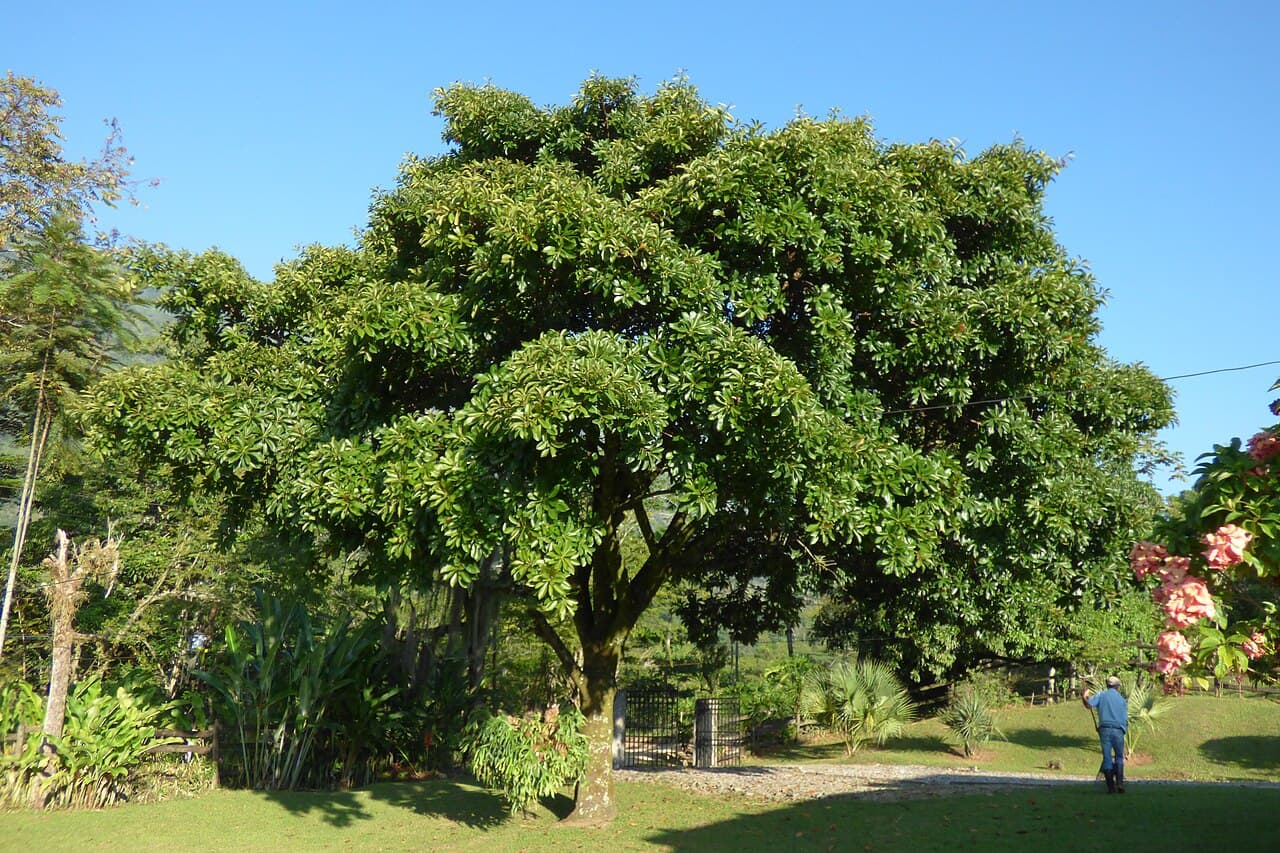
The Mountain Magnolia is one of the most striking trees of Trinidad's Northern Range: a tall, straight-boled West Indian near-endemic reaching 40 metres, bearing large, sweetly scented twelve-petalled white flowers.
The Mountain Magnolia is one of the most striking trees of Trinidad's Northern Range: a tall, straight-boled West Indian near-endemic reaching 40 metres, bearing large, sweetly scented twelve-petalled white flowers. Once classified under the genus Talauma, it now sits within the expanded Magnolia (section Talauma) and represents one of the oldest flowering-plant lineages in the Caribbean, pollinated by beetles rather than bees in a system that predates the evolution of modern pollinators.
Description
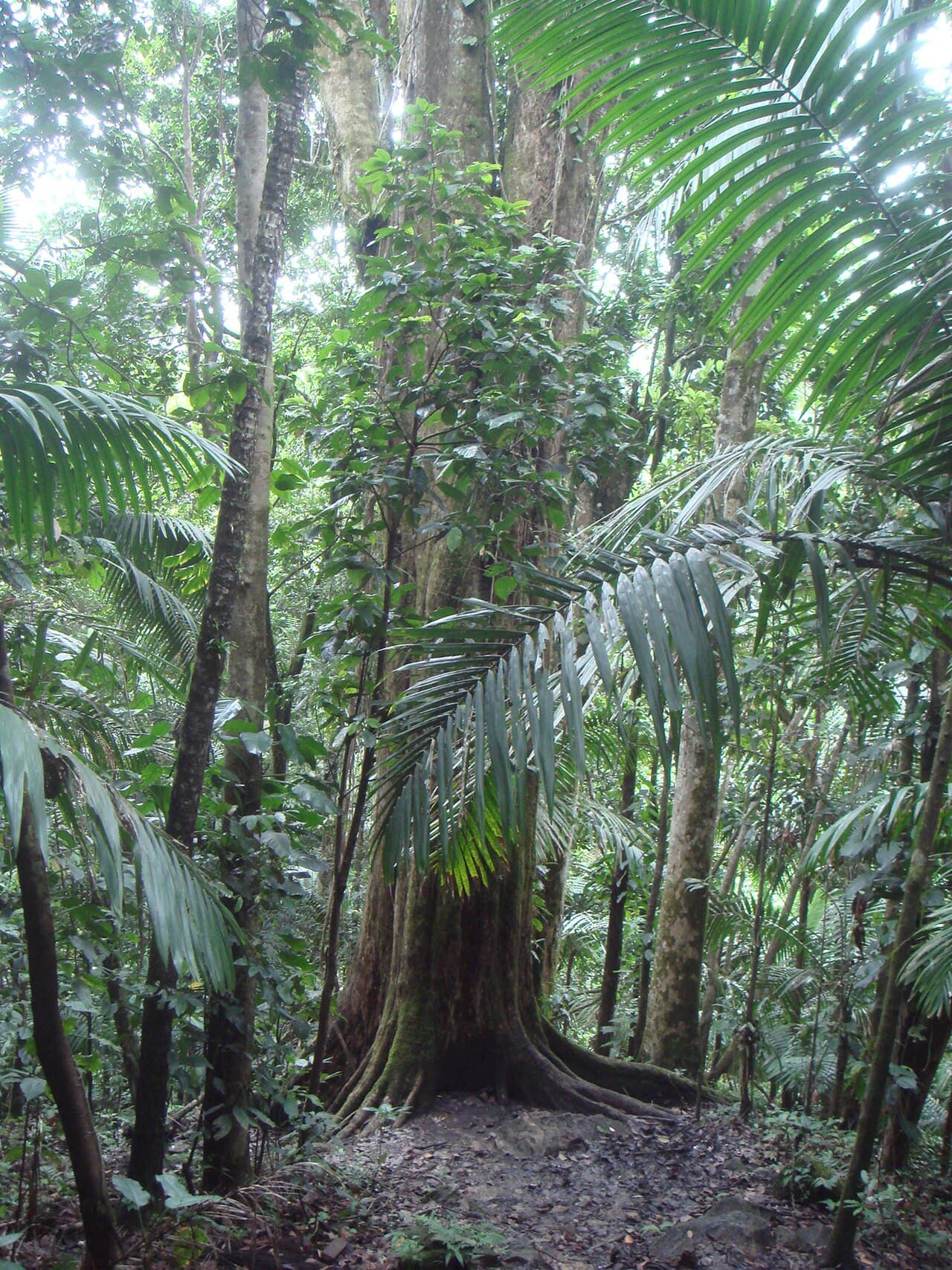
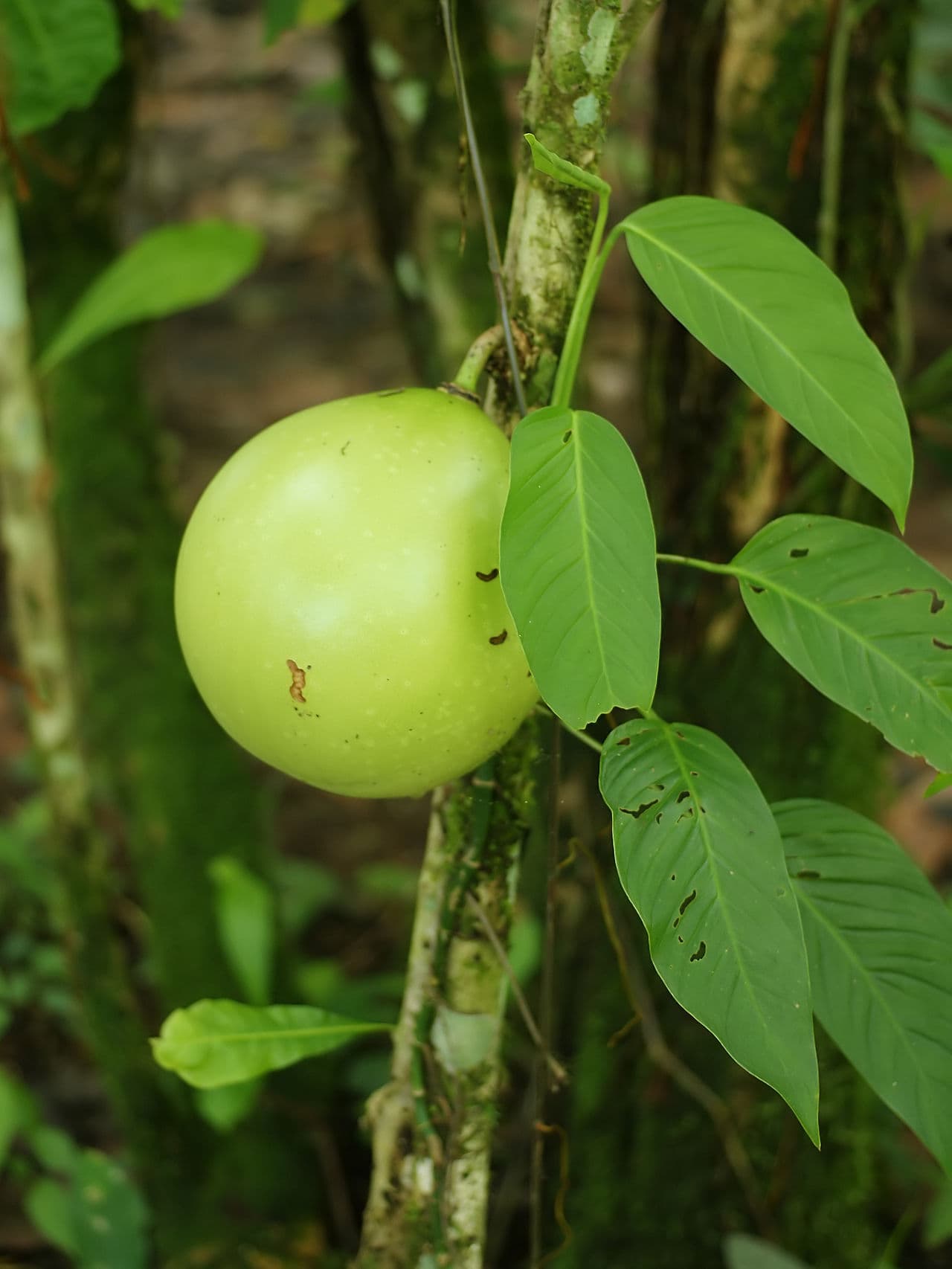
A large evergreen tree growing to 40 m tall. The straight, cylindrical bole is clear of branches for 12 to 18 m and can reach 90 cm in diameter, supported by long buttresses at the base. The crown is large and round. Flowers are large and sweetly fragrant with twelve white petals, reflected in the species name dodecapetala (Greek for twelve-petalled). Fruit is the typical magnolia aggregate: a cone-like structure composed of individual follicles. The heartwood is dull dark brown to black, often streaked in shades of brown, while the sapwood is white to pale yellow; the timber has a fine texture and straight grain and has historically been considered among the superior hardwoods of the West Indies.
Habitat and Ecology
In Trinidad the species occurs in humid, many-storeyed montane forest on the slopes of the Northern Range, typically at elevations between 420 and 750 m. It favours deep, rich valley soils and level mid-elevation sites and is not found on exposed ridges or steep slopes. Like all Magnoliaceae, it is pollinated primarily by dynastid scarab beetles (cantharophily), a pollination system that evolved before bees appeared and is considered one of the most ancient in flowering plants. The tough carpels protect the reproductive structures from damage by foraging beetles. Seeds are likely dispersed by frugivorous birds attracted to the bright seed coatings, consistent with the broader magnolia pattern, though specific disperser species for this species in T&T have not been formally documented.
Conservation
Magnolia dodecapetala is assessed as Vulnerable (VU) under the Red List of Magnoliaceae. Its restricted distribution across the West Indies, combined with the commercial value of its timber, creates sustained exploitation pressure. Globally, nearly half of all assessed magnolia species are threatened with extinction. In Trinidad and Tobago, no plants are currently designated as Environmentally Sensitive Species under the Environmental Management Act, and no confirmed Forests Act protected-timber schedule listing for this species was located in available sources. The Forests Act provides general protection for trees on State Lands within Forest Reserves.
Threats
- Timber extraction
- Habitat loss
- Restricted range
- Climate change