Trees
Trees
Mora
Mora excelsa
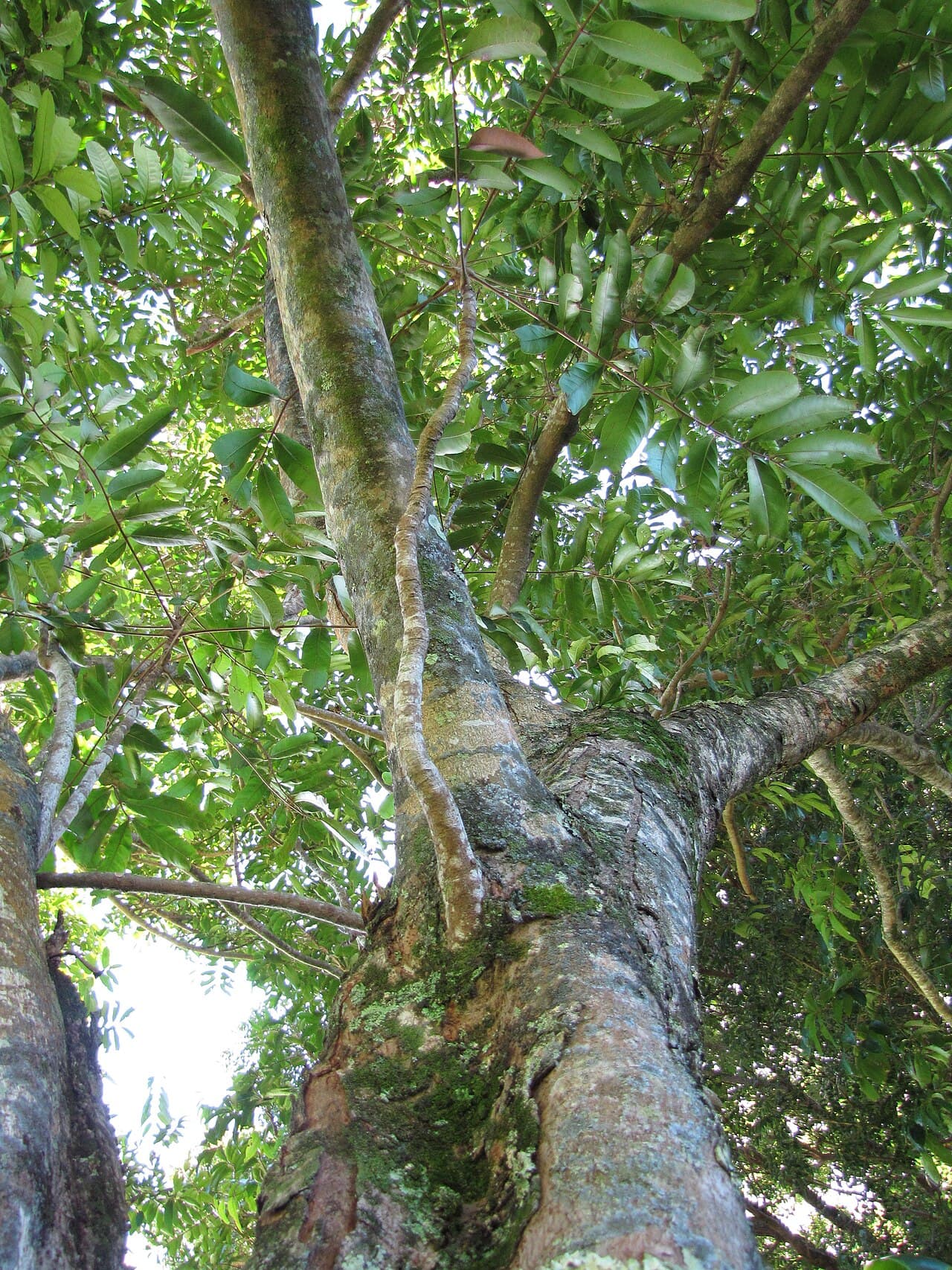
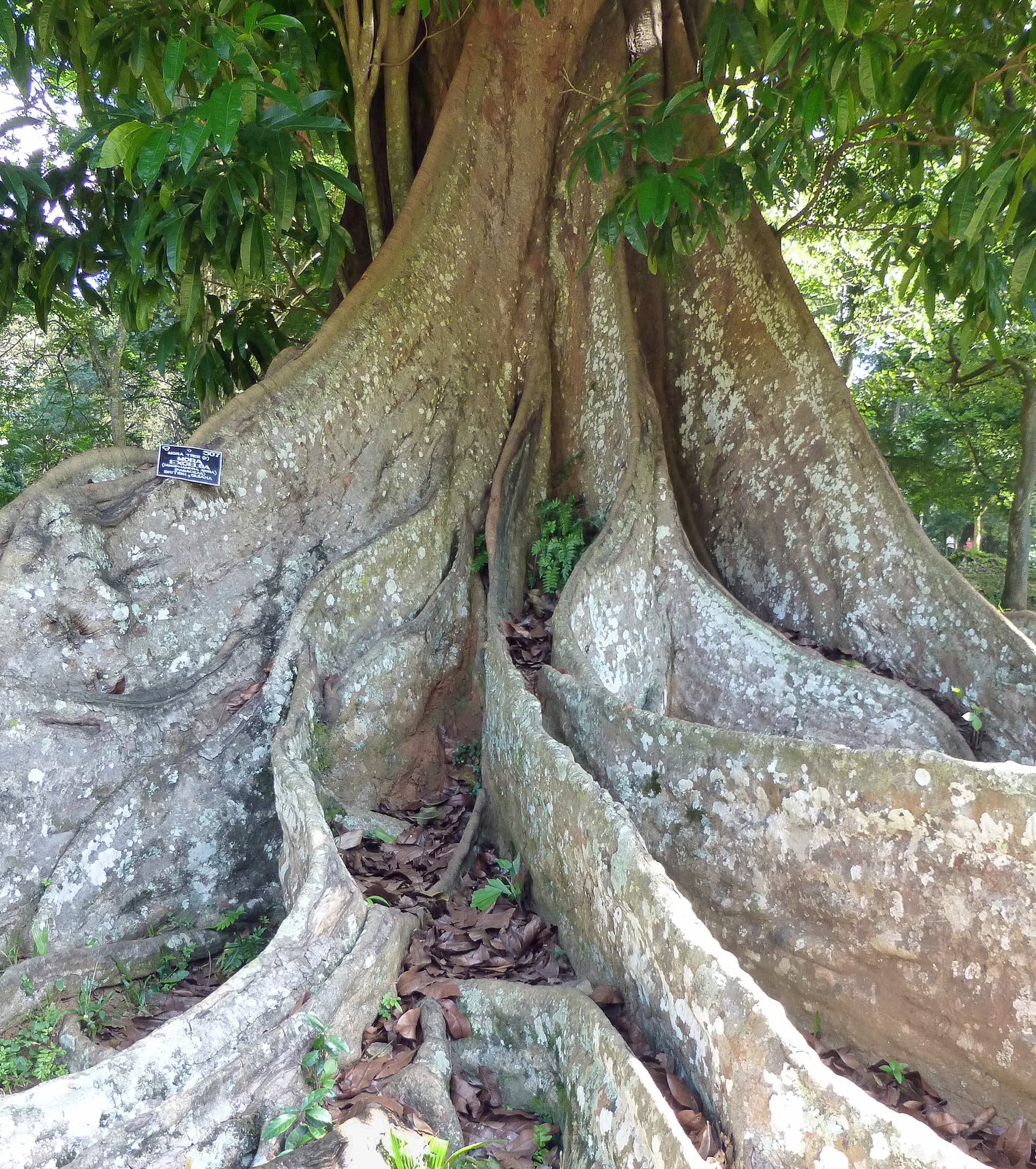
Photo: Ji-Elle · Kandy Botanical Garden, Sri Lanka (CC BY-SA 3.0)
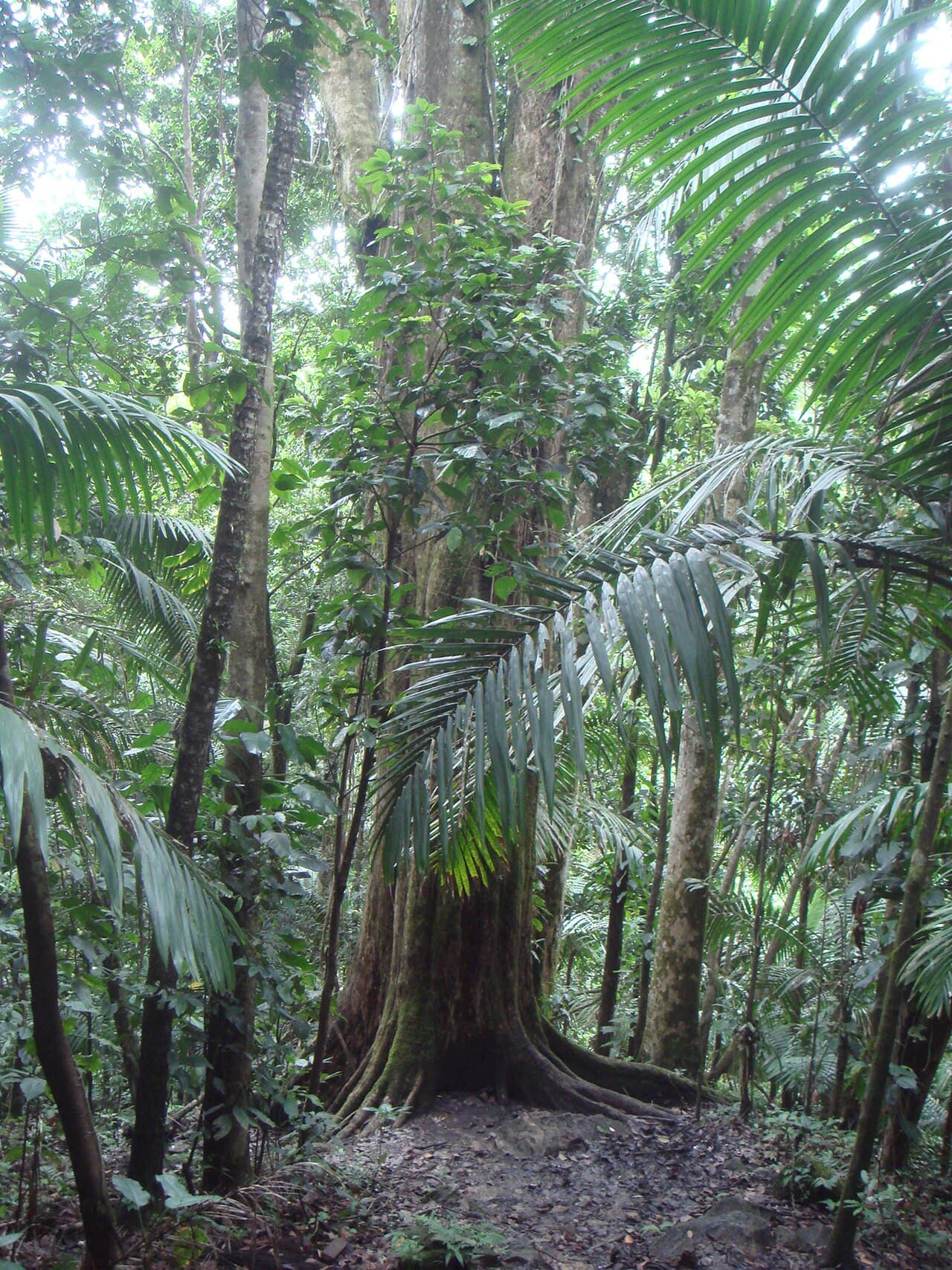
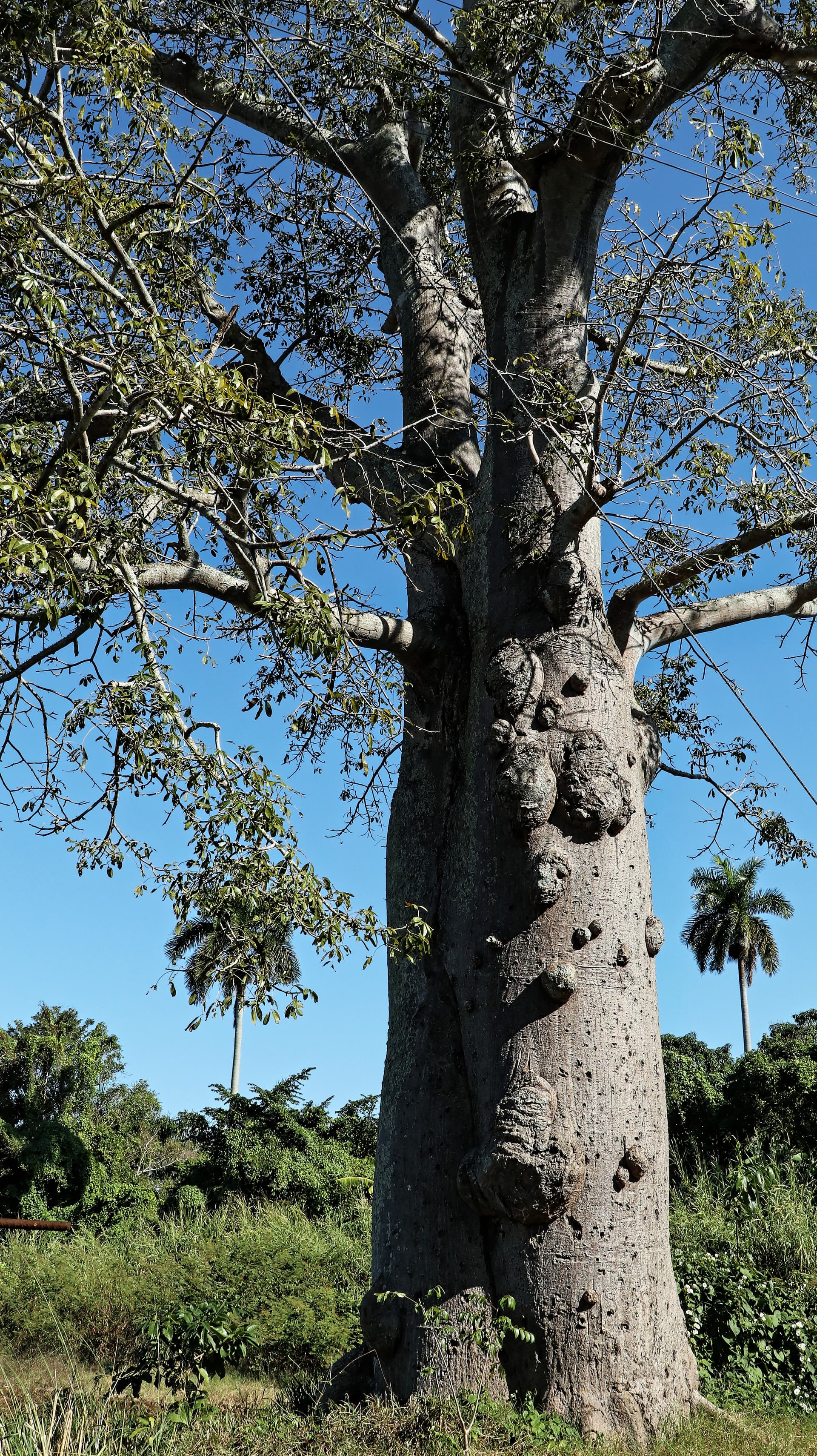
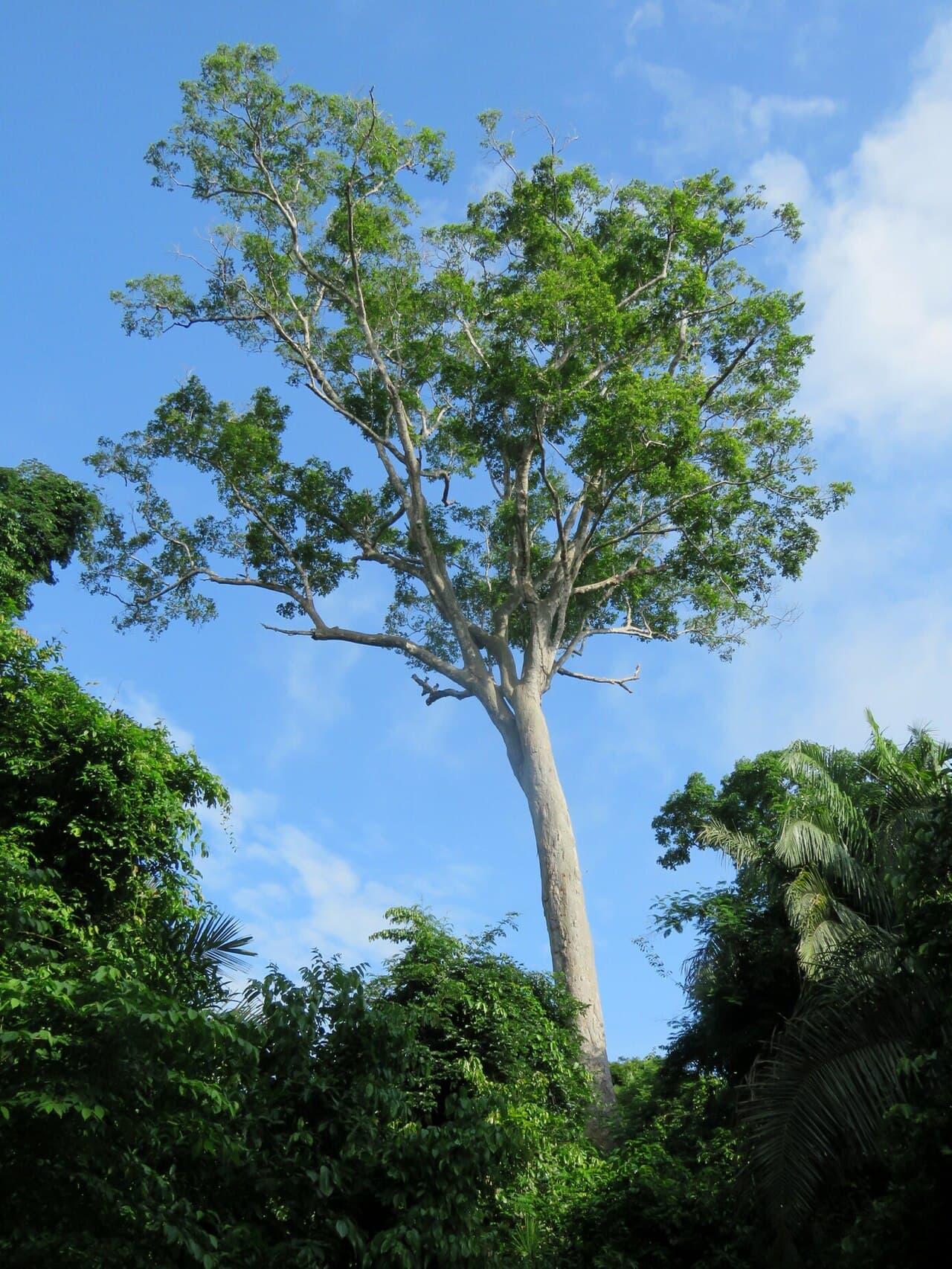
The Mora is one of Trinidad and Tobago's most imposing canopy trees, dominating mature lowland and lower-montane rainforests in the eastern Northern Range and the southern hills.
The Mora is one of Trinidad and Tobago's most imposing canopy trees, dominating mature lowland and lower-montane rainforests in the eastern Northern Range and the southern hills. Mora-dominated forest is a distinct ecological community recognised across the Guianan-Amazon region.
Description
A massive evergreen tree reaching 35 to 45 metres in height with a heavily buttressed trunk. Bark is grey-brown and lightly fissured. Leaves are pinnately compound, leathery, and dark green. Mora produces large, woody legume pods containing one of the largest seeds of any rainforest tree, sometimes exceeding 8 cm.
Ecology
Mora-dominated forest is a closed, low-diversity formation; the heavy seeds germinate close to the parent tree and the dense canopy suppresses many other species. This monodominance is unusual in tropical forests and gives Mora-forest a distinctive feel: tall, dim, quiet, with a sparse but specialised understory.
Cultural and Economic Use
Mora timber is extremely hard and durable, historically valued for shipbuilding, heavy construction, and railway sleepers. Selective harvesting under permit is regulated by the Forestry Division; much standing Mora forest now lies inside designated Forest Reserves.
Threats
- Illegal logging in unmonitored Forest Reserves
- Conversion of lowland forest for agriculture
- Bushfire damage at forest edges