Trees
Trees
Lignum Vitae
Guaiacum officinale
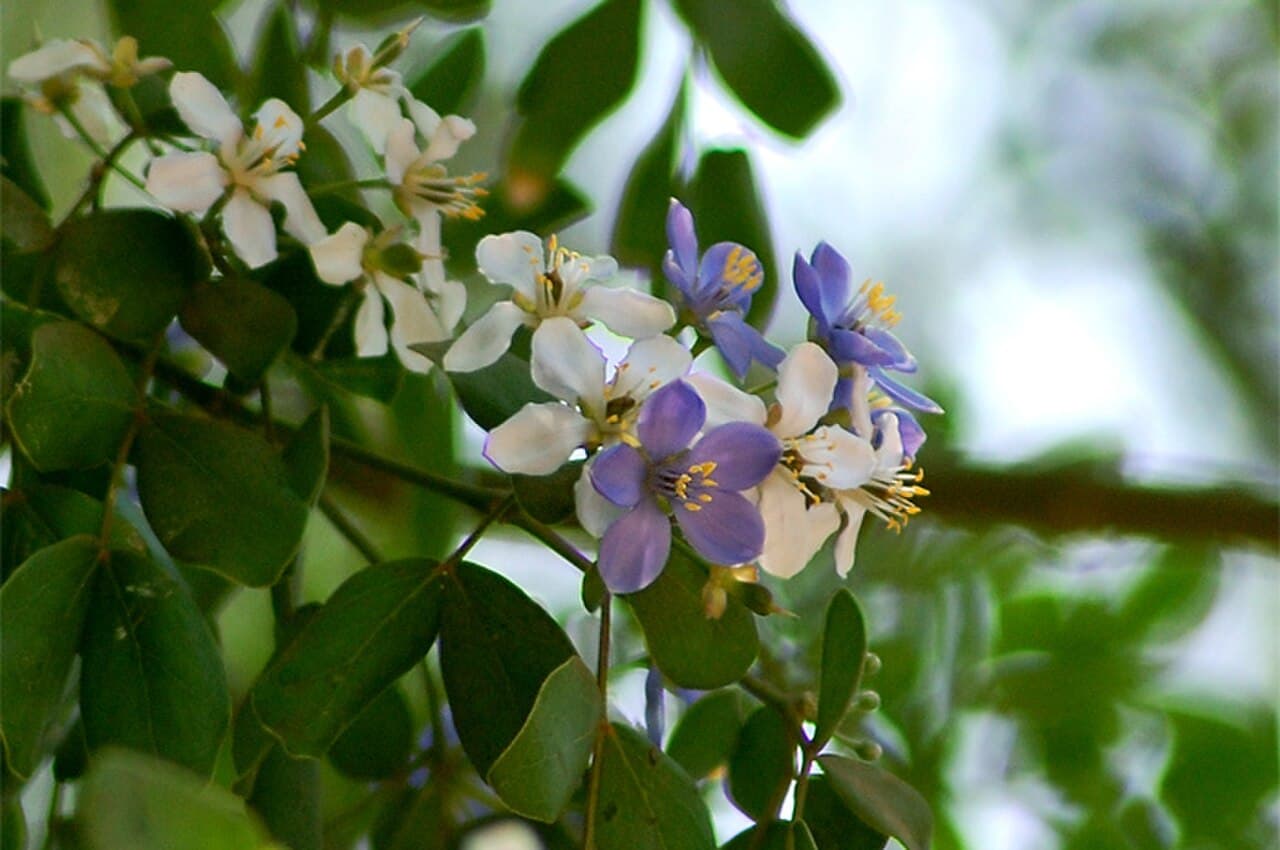
Photo: Jayesh Patil (CC BY 2.0)
Lignum Vitae, meaning "wood of life" in Latin, is one of the most remarkable trees in the Caribbean flora: a small, slow-growing tree whose violet-blue flowers are among the most beautiful of any Caribbean timber species, and whose wood is the hardest, densest, and most resin-laden commercial timber in the world.
Lignum Vitae, meaning "wood of life" in Latin, is one of the most remarkable trees in the Caribbean flora: a small, slow-growing tree whose violet-blue flowers are among the most beautiful of any Caribbean timber species, and whose wood is the hardest, densest, and most resin-laden commercial timber in the world. Listed as Endangered on the IUCN Red List and on CITES Appendix II, it stands as a cautionary emblem of what centuries of overexploitation for a uniquely valuable wood can do to a species.
Description
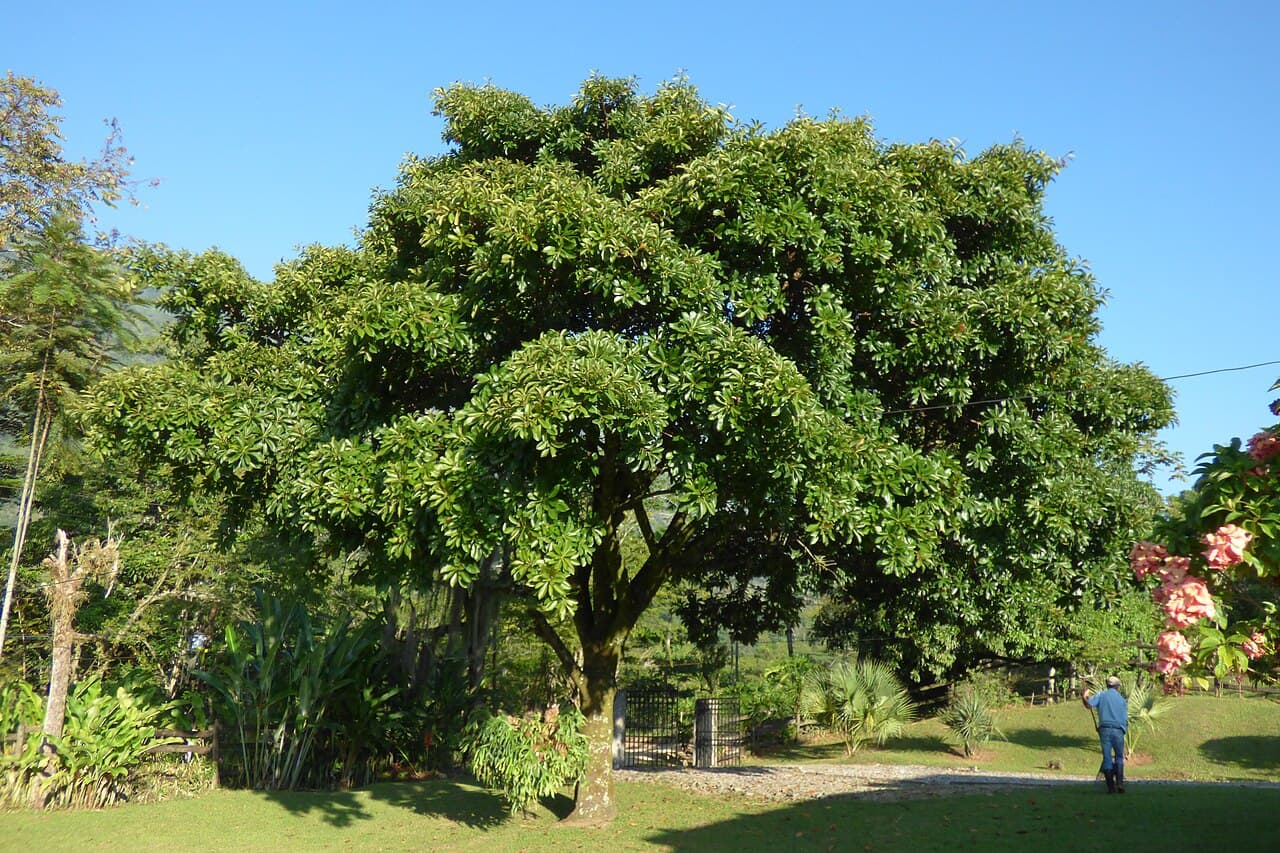
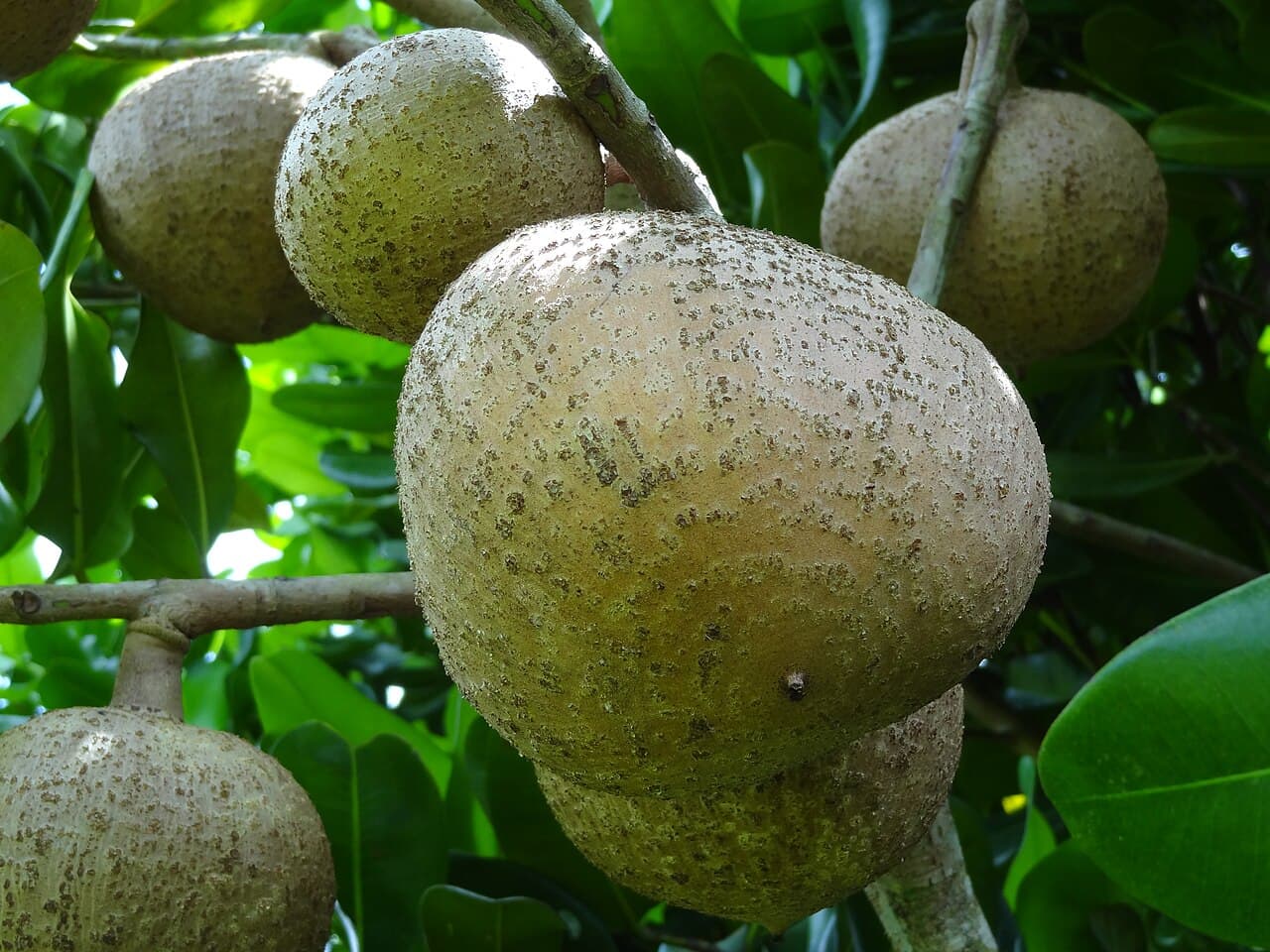
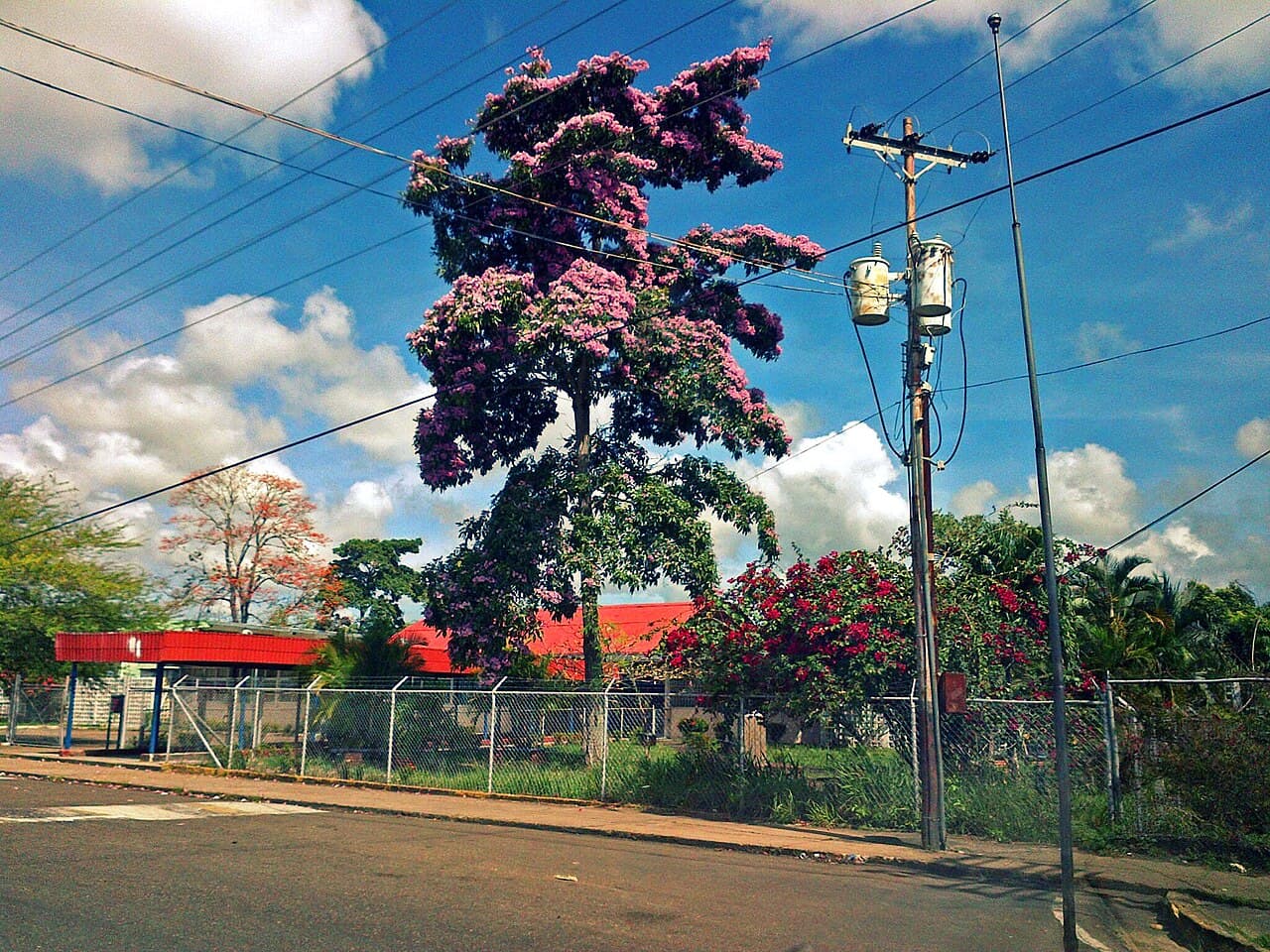
A small to medium evergreen tree typically 3 to 10 metres tall (occasionally to 12 metres) with a characteristically crooked bole and dense, rounded crown. The bark is mottled, displaying a distinctive patchwork of pale cream or grey-white patches against a darker grey-brown background. Leaves are compound with small, opposite leaflets. The flowers are small and five-petalled, opening deep violet-blue and fading through pale blue to white as they age; since flowers of all ages are present simultaneously, the crown displays multiple shades at once, making the tree in full bloom one of the most ornamental in the dry forest. Fruits are bright yellow-orange capsules enclosing seeds with fleshy red-orange arils that attract fruit-eating birds. The wood is extraordinarily dense (approximately 1,260 kg per cubic metre when dry), with guaiac resin distributed throughout the grain, making it self-lubricating.
Habitat and Range
Lignum Vitae grows in dry deciduous and semi-deciduous coastal forest, tolerating rocky, sandy soils and coastal conditions at low elevations (typically 0 to 100 m). Its native range spans the Caribbean islands and northern coastal South America (Colombia, Venezuela, the Guianas). In Trinidad and Tobago the species fits the habitat profile of Tobago's drier leeward coastal forests and western Trinidad's dry forest patches; however, specific T&T locality records were not confirmed from sources accessible during research. Birds dispersing the red-arilled seeds and bees and butterflies pollinating the flowers are the primary ecological partners.
Historical Uses
Lignum Vitae's extraordinary properties drove centuries of exploitation. The self-lubricating resin meant the wood could serve as underwater bearings for ship propeller shafts and submarine machinery without external oil, a use that continued until synthetic polymers replaced it in the 1960s. John Harrison incorporated the self-lubricating timber in his early marine chronometer mechanisms to eliminate the need for clock oils. The wood was also used for police batons, lawn bowls, and cricket bails. The resin, sold as "guaiac," was introduced to Europe around 1508 as a supposed cure for syphilis and commanded extraordinary prices; today guaiac compounds are still used in colorectal cancer screening (the fecal occult blood test). Jamaica has named Guaiacum officinale its national flower.
Legal Protection
Guaiacum officinale is listed as Endangered on the IUCN Red List (assessed 2019) with a declining population trend. The entire genus Guaiacum is listed on CITES Appendix II (since CoP12, 2002), regulating international trade in timber, resin, and derivatives. A confirmed listing under Trinidad and Tobago's Forests Act Schedule was not found in sources accessible during research; the Forestry Division should be consulted for the current schedule. The extremely slow growth rate means that even where exploitation pressure is reduced, population recovery is very slow.
Threats
- Overexploitation for timber
- Habitat loss
- Slow recovery rate
- Illegal logging