Reptile
Reptile
Rainbow Boa
Epicrates cenchria maurus
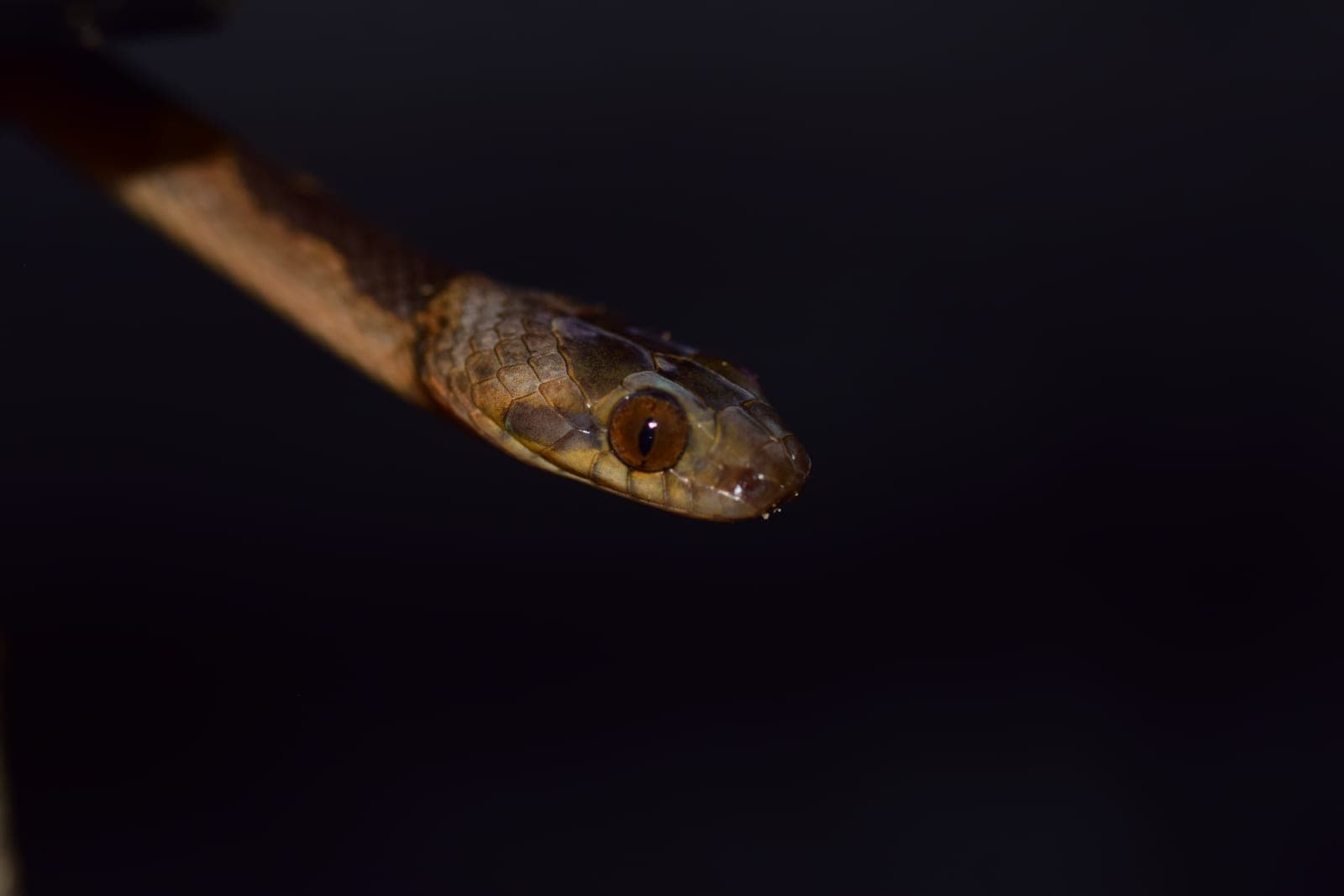
The Rainbow Boa is one of Trinidad and Tobago's most visually striking snakes, named for the iridescent, spectral sheen produced by its tightly stacked scales when light falls across them at certain angles.
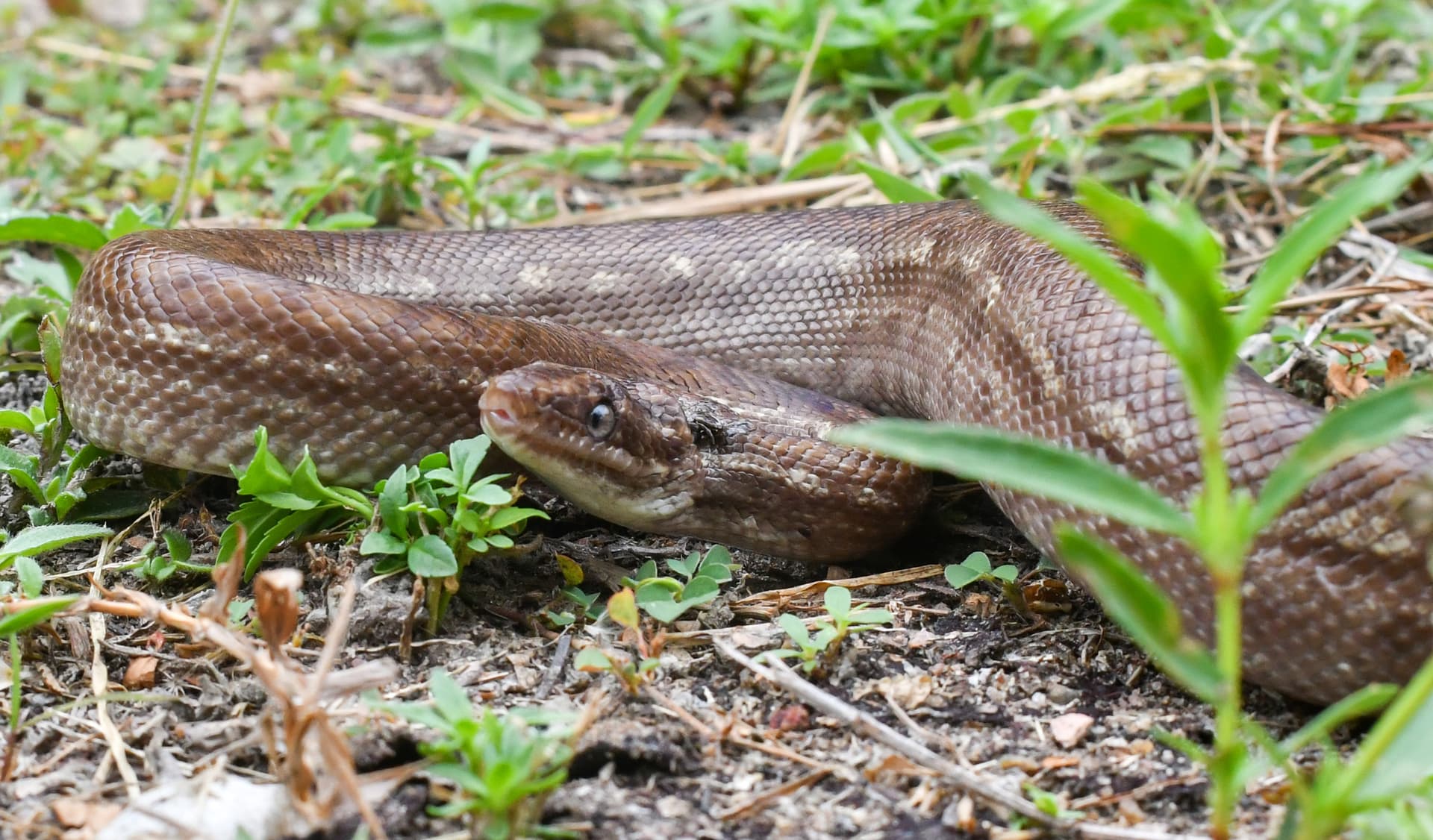
The Rainbow Boa is one of Trinidad and Tobago's most visually striking snakes, named for the iridescent, spectral sheen produced by its tightly stacked scales when light falls across them at certain angles. Found in forests and forested areas on both islands, it is a medium-sized constrictor known locally as "Jack," a name reportedly given to a pet specimen kept by naturalist G. R. O'Reilly in the 1890s that passed into general use. Non-venomous, fully protected, and nocturnal, the Rainbow Boa is rarely encountered and poorly known despite being part of both islands' fauna.
Description
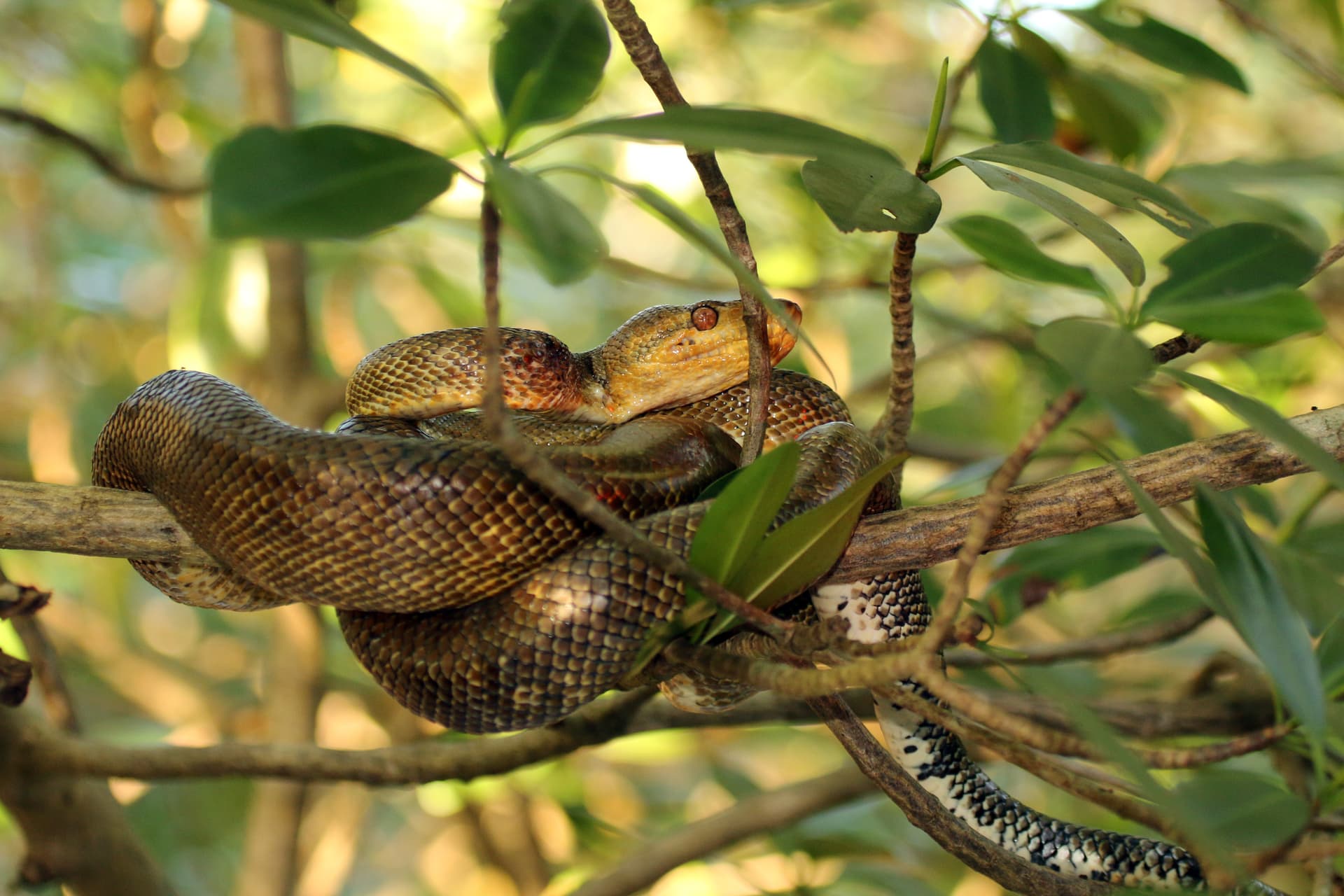
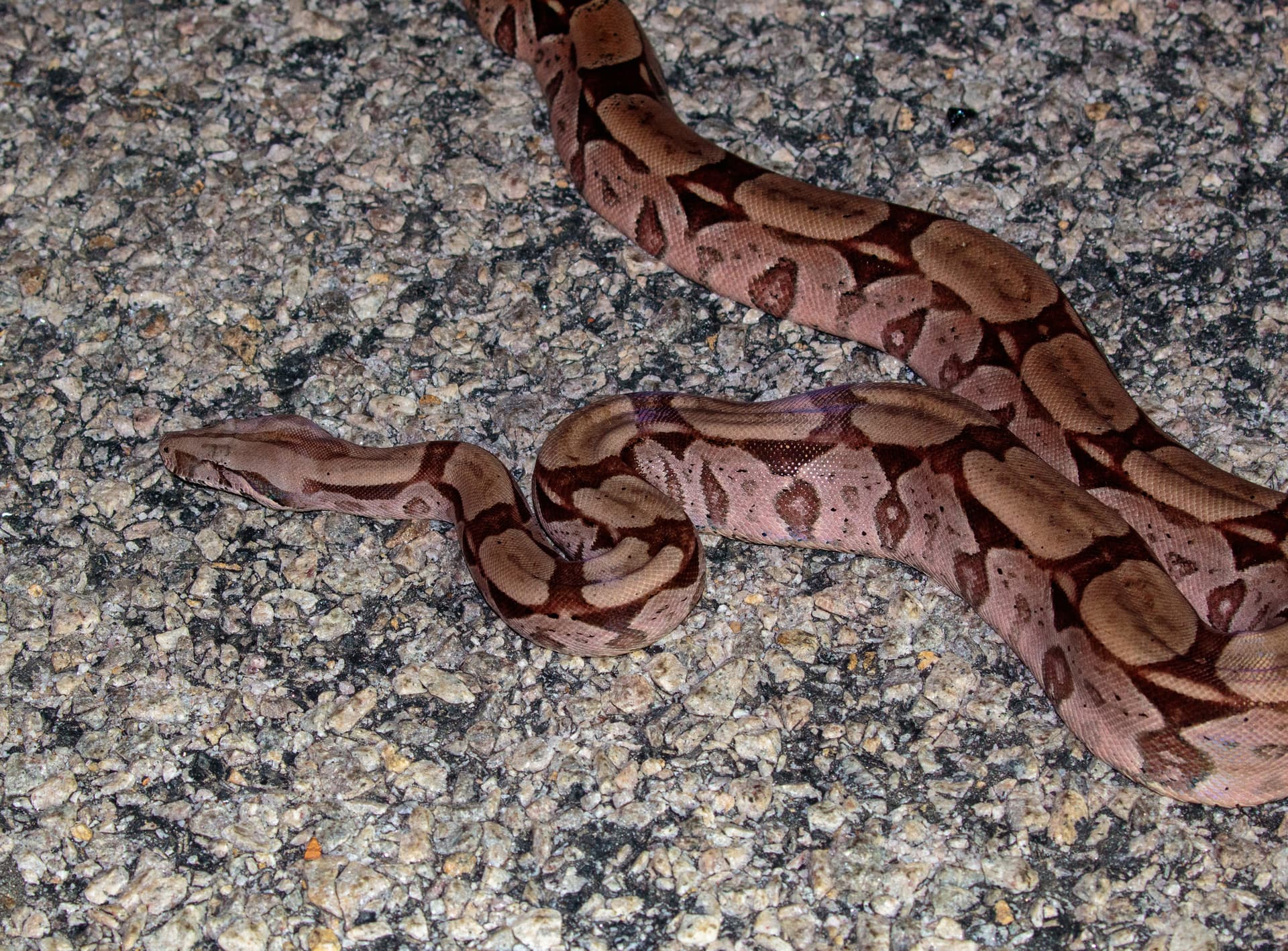
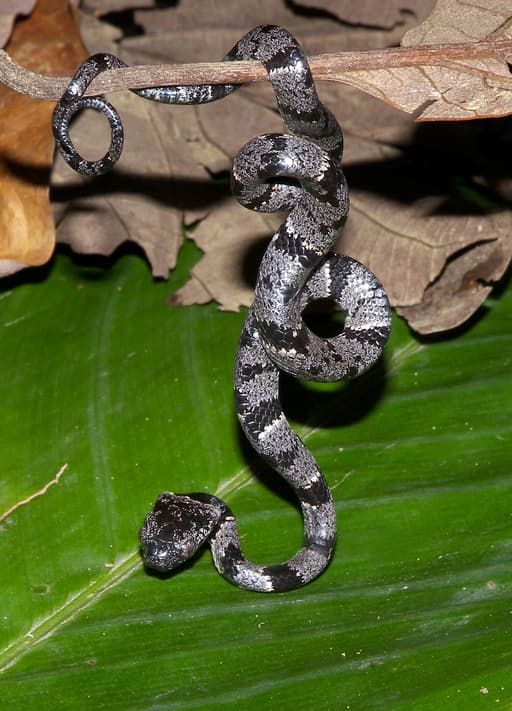
The Rainbow Boa is a slender to moderately built constrictor reaching approximately 1.5 m in length. The dorsal scales are smooth and tightly overlapping, producing an intense iridescent sheen, most visible in direct light, that gives the species its common name. Body colour is a warm golden-brown to reddish-brown, with a series of dark dorsal spots and lateral blotches. The subspecies found in Trinidad and Tobago, Epicrates cenchria maurus, is somewhat more uniform and less vividly patterned than the more southerly subspecies found in Brazil. The juvenile colour form involves brighter, more contrasting patterning that fades somewhat with age.
Ecology
Primarily nocturnal and arboreal or semi-arboreal, the Rainbow Boa favours moist forest habitats and forested hillsides. It feeds on small mammals, birds, and lizards, killing by constriction. When first handled or approached, it is inclined to bite, a trait observed by early naturalists including Hans Boos, who recorded his first snakebite experience as being from a rainbow boa assumed to be safe to handle because it lacked venom. The bite is not medically significant but can cause bleeding and injury.
Conservation
The Rainbow Boa is one of three boa species found on both Trinidad and Tobago (alongside the Macajuel and the Cascabel Dormillon). Like all non-venomous snakes in Trinidad and Tobago, it is fully protected under the Conservation of Wildlife Act. The subspecies maurus occurs across Trinidad and Tobago and into Venezuela and the Guianas.
Threats
- Killing on sight
- Collection for the exotic pet trade (attractive appearance makes it a target)
- Habitat loss and deforestation