
Environmentally Sensitive Area
Nariva Swamp
Freshwater wetland · Ramsar Site · Trinidad
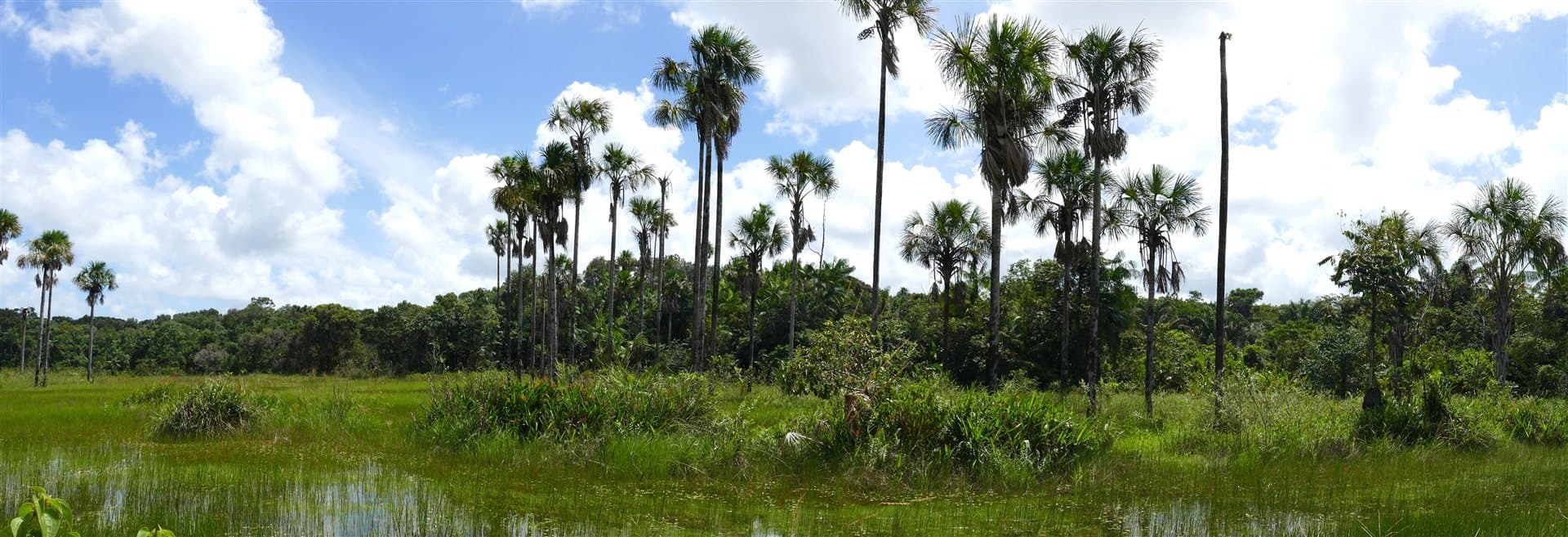
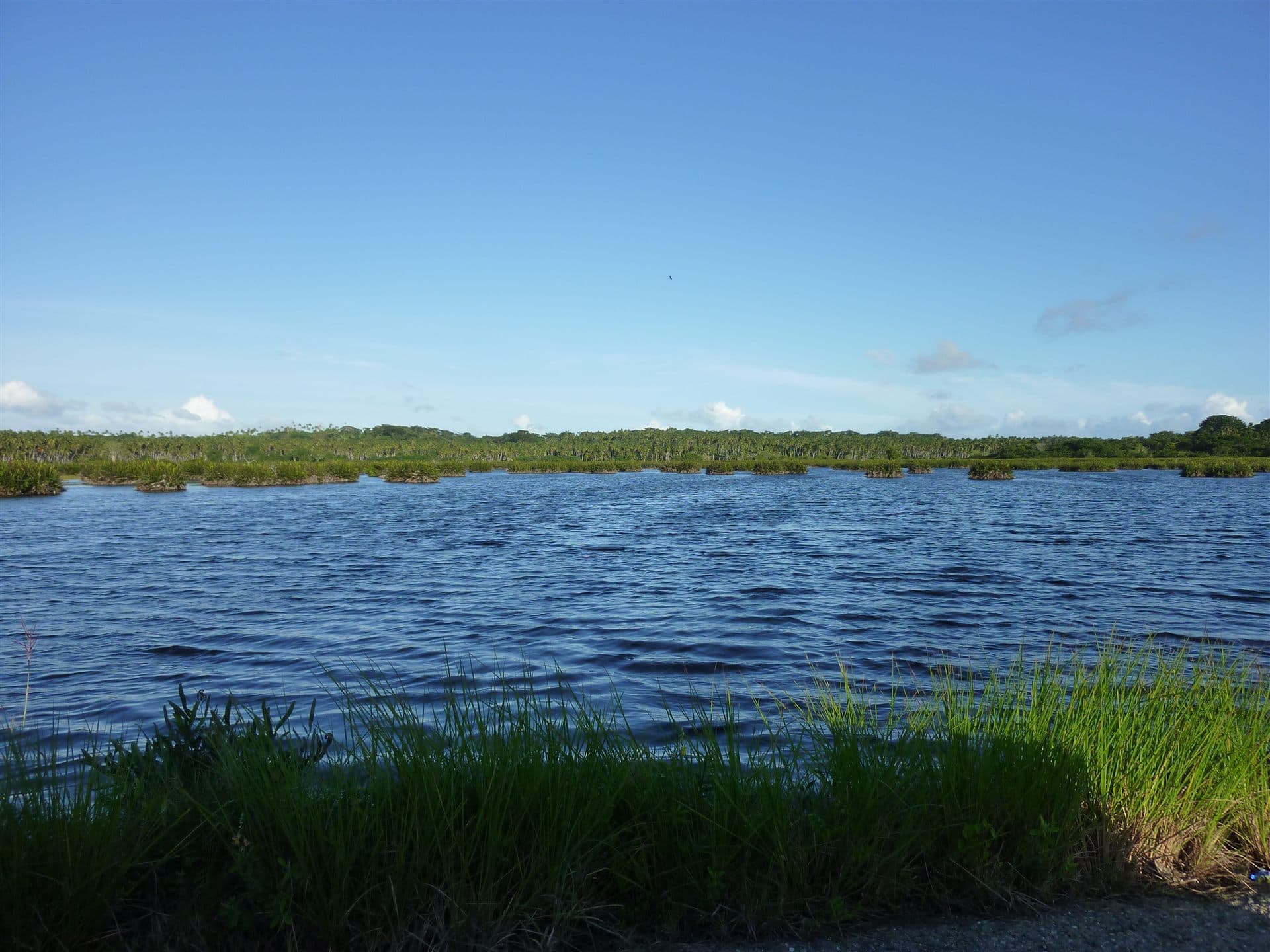
Photo: Bernard Dupont · French Guiana (representative habitat) (CC BY-SA 2.0)
The Nariva Swamp is Trinidad's largest freshwater wetland and one of the most ecologically significant landscapes in the Caribbean.
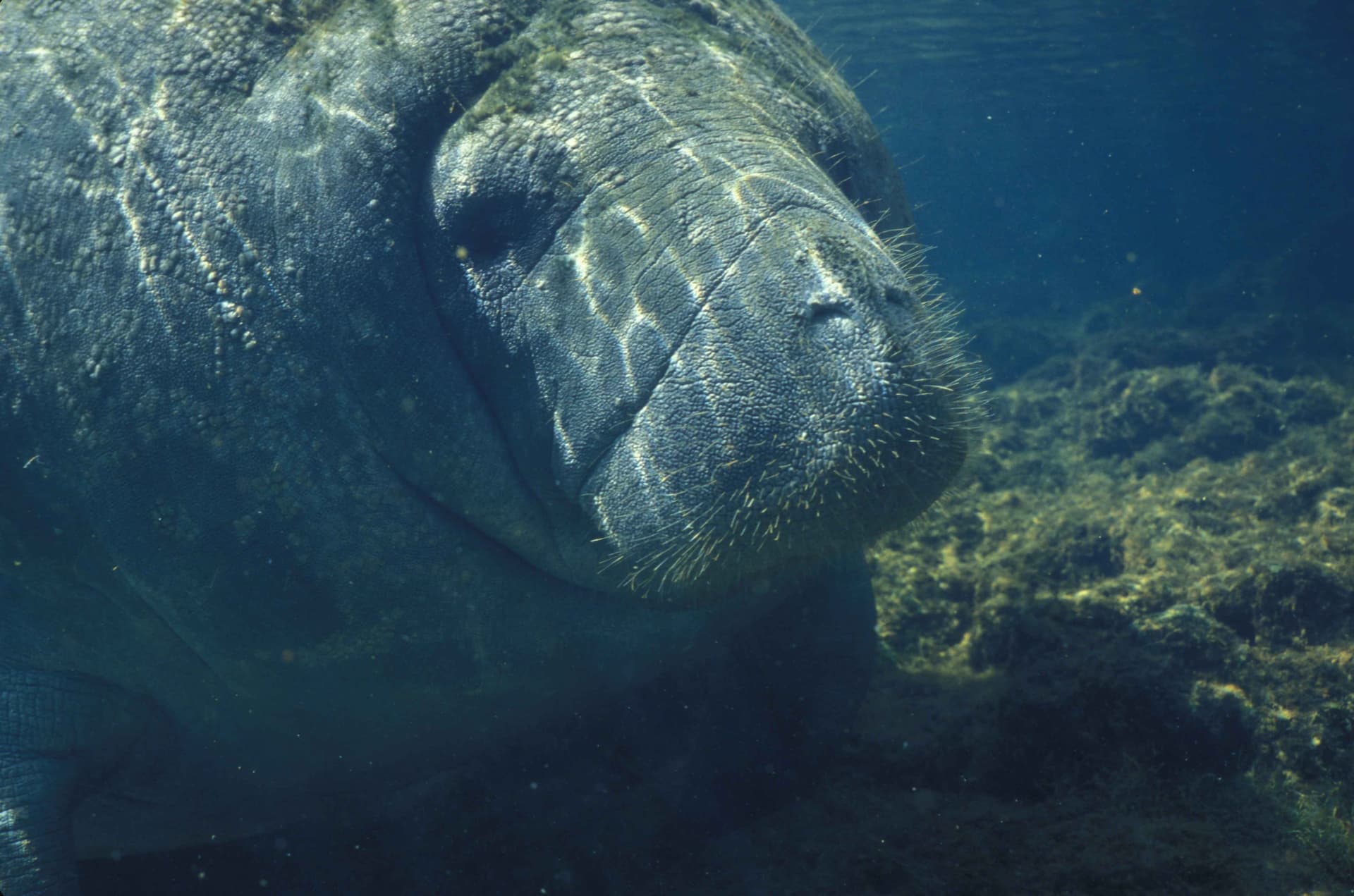
The Nariva Swamp is Trinidad's largest freshwater wetland and one of the most ecologically significant landscapes in the Caribbean. Covering 11,340 hectares, it holds Ramsar Wetland of International Importance status (No. 577, listed 1992) and is the last stronghold in Trinidad for the West Indian Manatee.
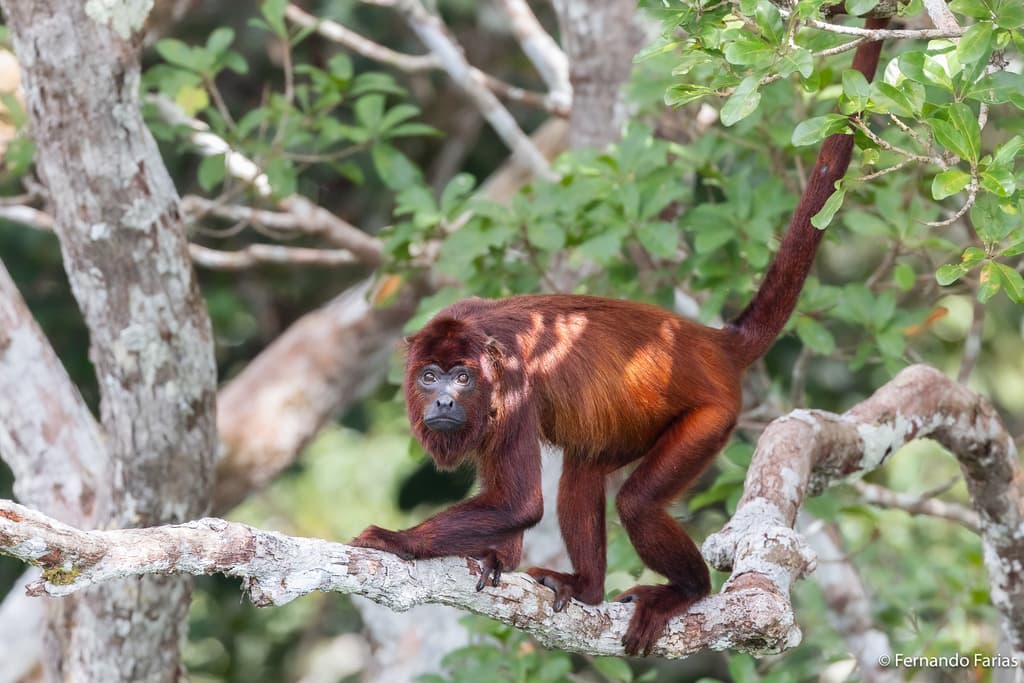
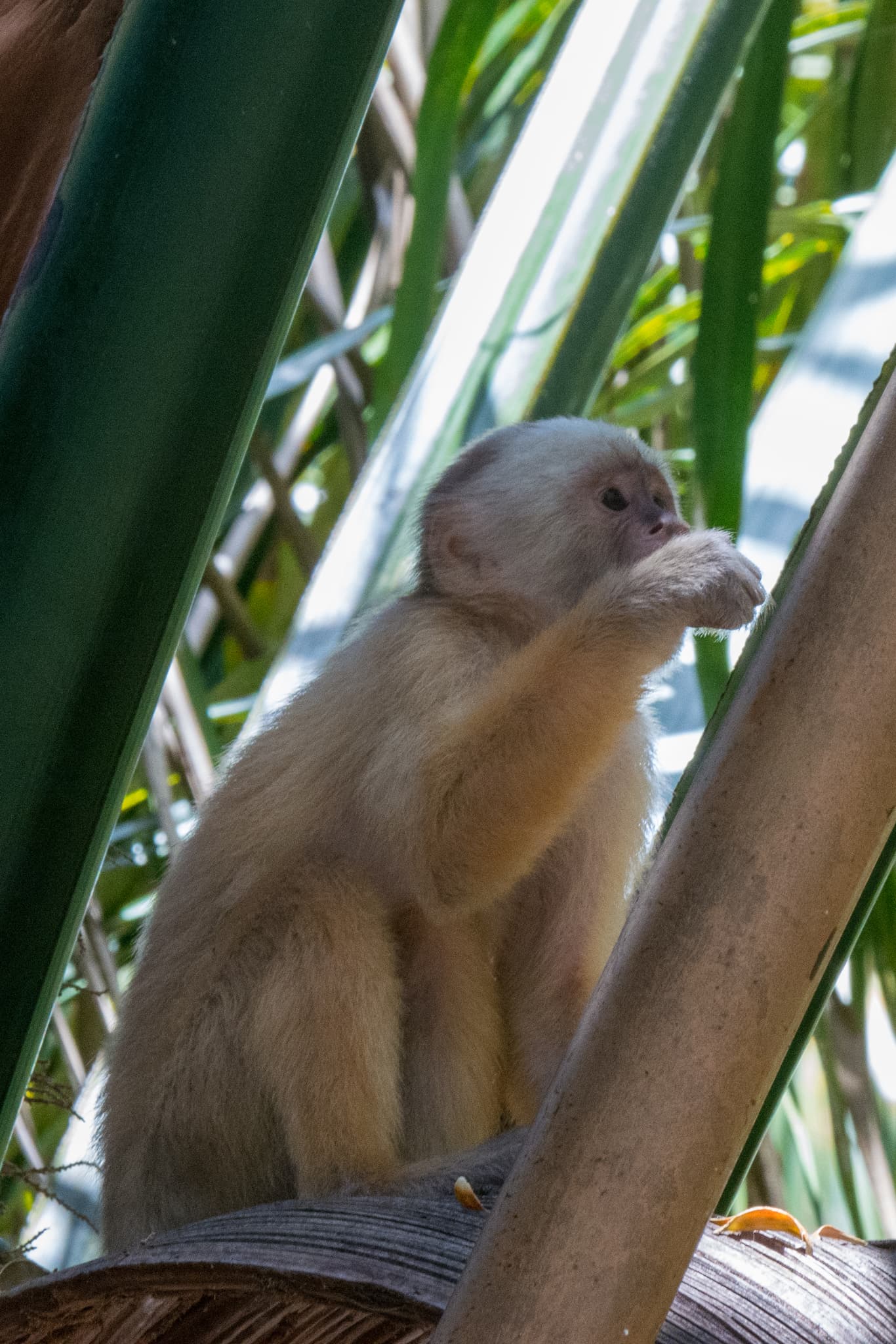
Nariva encompasses freshwater marsh, seasonal swamp forest, moriche palm forest, and the Bush Bush Wildlife Sanctuary, a 1,408-hectare island of forest declared under the Conservation of Wildlife Act in 1968. The wetland is fed by rivers draining the central plain and is hydrologically connected to the east coast. Over 175 bird species have been recorded here, alongside 45 mammal species, 39 reptile species, and 33 fish species. Blue-and-gold Macaws, Red-bellied Macaws, Green Anacondas, Spectacled Caimans, Red Howler Monkeys, and White-fronted Capuchins are all present.
Fewer than 10 West Indian Manatees are estimated to remain in Trinidad, and Nariva is their primary habitat. The population is extremely elusive and precise counts are difficult, but the swamp's waterways and aquatic vegetation represent the most viable remaining habitat for the species in the country.
From the 1980s onward, approximately 1,500 hectares of the swamp's central and western sections were illegally cleared for rice cultivation, leading to the swamp's placement on the Ramsar Montreux Record of sites of conservation concern. The government evicted illegal farmers between 1996 and 1998. Subsequent restoration initiatives, including a 2008 EMA-led reforestation project funded by the Green Fund and the National Restoration, Carbon Sequestration, Wildlife and Livelihoods Project launched in 2014 targeting 1,300 hectares, have worked to rehabilitate cleared areas. Water hyacinth continues to obstruct waterways, and buffer zone enforcement remains an ongoing challenge.
A specified portion of the Nariva Swamp, excluding the areas designated as Area A and Area B, is also declared a prohibited area under the Forests (Prohibited Areas) Order, made under the Forests Act (Chap. 66:01). This gives the swamp a third independent layer of legal protection: ESA status under the Environmentally Sensitive Areas Rules, wildlife sanctuary status under the Conservation of Wildlife Act (Bush Bush), and prohibited area status under the Forests Act. Entry into a prohibited area without authorisation from the Conservator of Forests is a criminal offence, providing an additional enforcement mechanism against unauthorised access, clearing, and extraction within the swamp.
Why This Matters
Nariva Swamp is the largest freshwater wetland in Trinidad and Tobago, and one of the most ecologically significant in the entire Caribbean. Its 11,340 hectares encompass a biodiversity that is, by almost any measure, staggering: over 175 bird species, 45 mammal species, 39 reptile species, 33 fish species, and 19 frog species within 60 square kilometres. Blue-and-gold Macaws, Spectacled Caimans, Green Anacondas, and both monkey species endemic to Trinidad all live here. The swamp is designated a Ramsar Wetland of International Importance, which means the international community of nations has formally recognised what residents of Trinidad's east coast have always known: this place is extraordinary.
For the West Indian Manatee, Nariva is not merely one habitat among many; it is the last viable habitat in Trinidad. With fewer than 10 individuals estimated to remain in the country, and the primary habitat concentrated in these waterways, the survival of the manatee as a species in T&T is directly tied to what happens in this swamp. The same swamp also provides freshwater to east coast communities, regulates flooding, filters agricultural runoff from the surrounding plains, and sustains the fisheries of the Nariva and Ortoire river systems. These are services that benefit real people in concrete, measurable ways every day.
The history of Nariva includes a cautionary chapter: in the 1980s, approximately 1,500 hectares were illegally cleared for rice cultivation, and the damage was severe enough that the international community placed the swamp on the Ramsar Montreux Record of sites of conservation concern. The government eventually acted, and restoration work has continued through multiple subsequent programmes. The lesson is that degradation is reversible, but only when the will to act is sustained. Nariva's ESA designation, its Ramsar status, and its three-layered legal protection framework all exist to ensure that will remains in place.
Key Threats
- Invasive water hyacinth
- Buffer zone encroachment
- Illegal hunting and bird trapping
- Drainage and channelisation
- Watershed deforestation
Notable Species
Location
Nariva Swamp is centred at approximately 10.375° N, 61.020° W.
Related Protected Areas
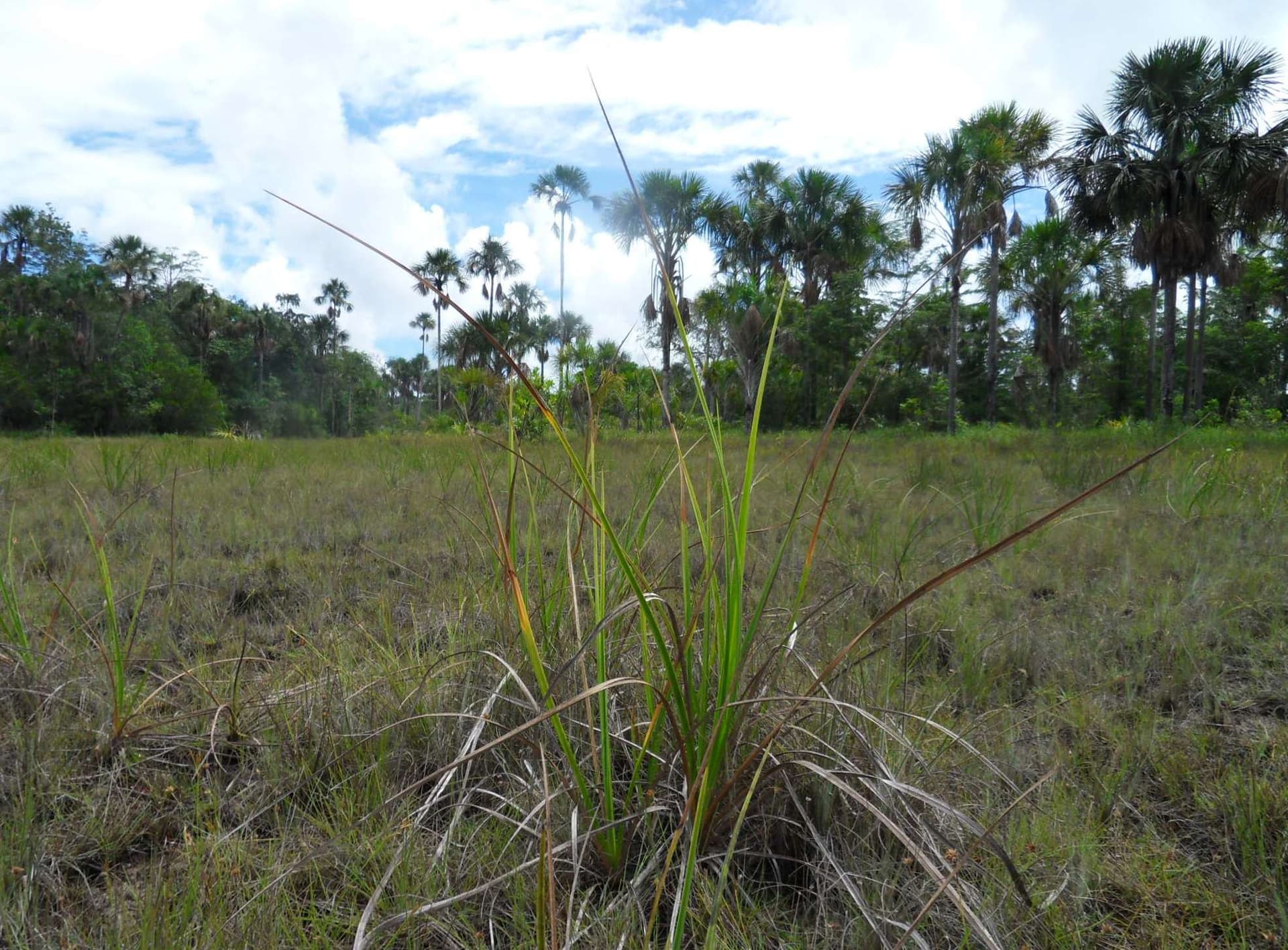
Aripo Savannas
Edaphic savanna · ESA · Trinidad
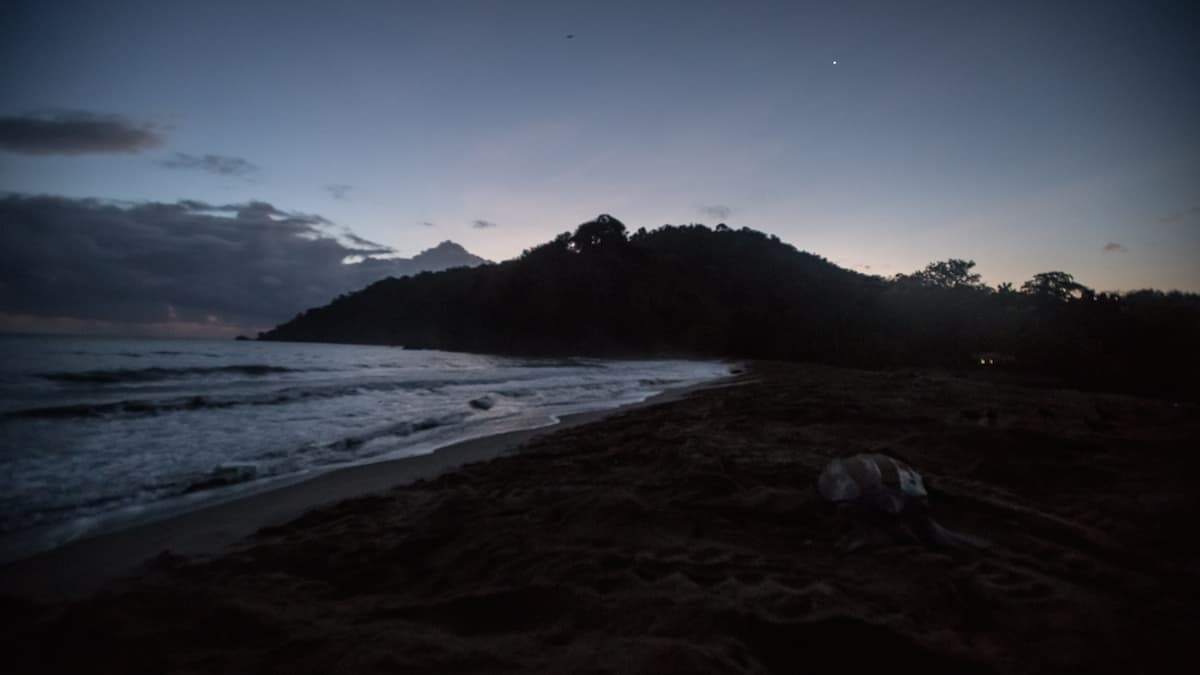
Matura National Park
Montane forest · ESA · Trinidad
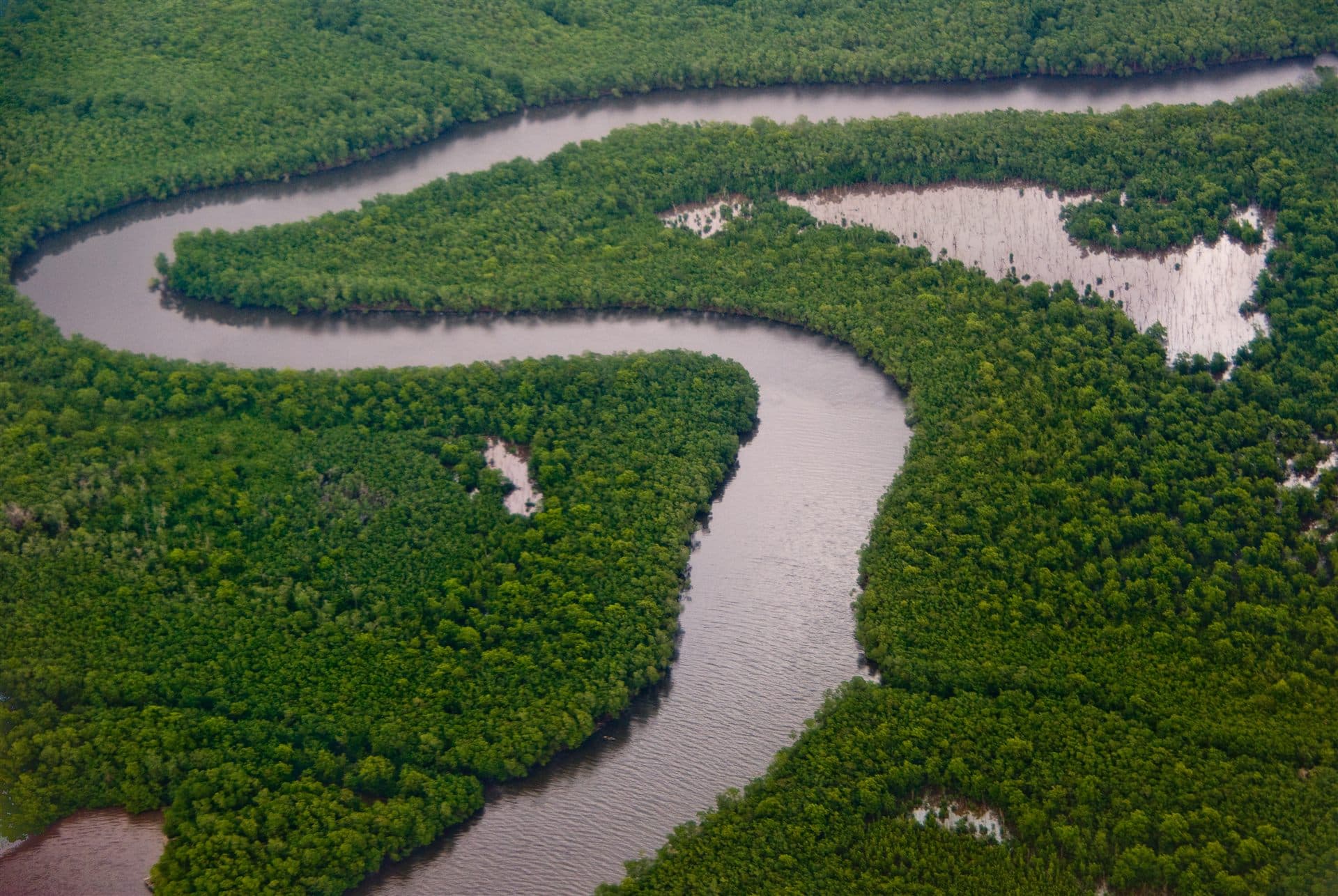
Caroni Swamp Game Sanctuary
Game Sanctuary · Conservation of Wildlife Act
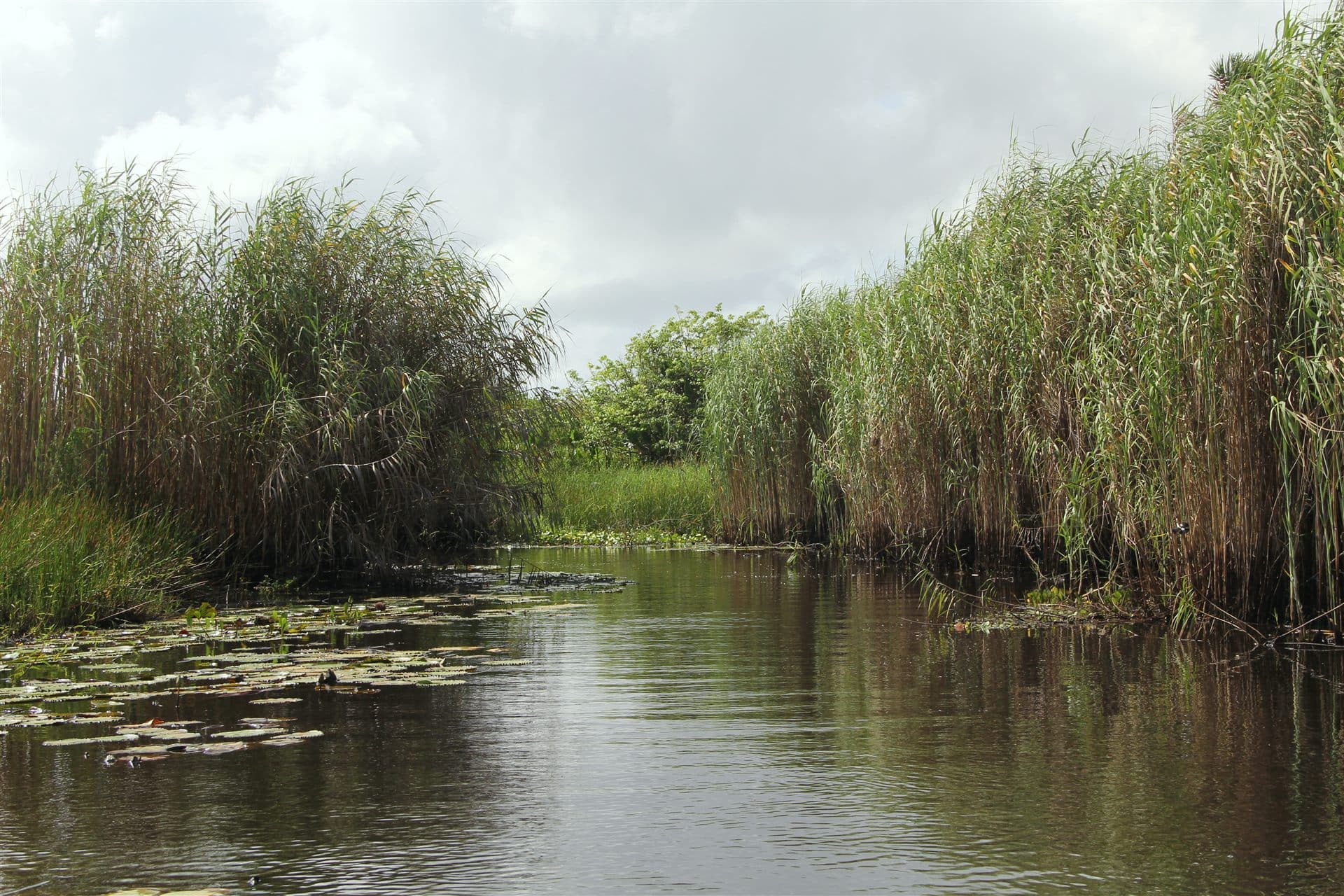
Bush Bush Wild Life Sanctuary
Game Sanctuary · Conservation of Wildlife Act
Central Range Game Sanctuary
Game Sanctuary · Conservation of Wildlife Act
Kronstadt Island Game Sanctuary
Game Sanctuary · Conservation of Wildlife Act