Trees
Trees
Sandbox Tree
Hura crepitans
Photo: Wikimedia Commons contributor (CC BY-SA 4.0)
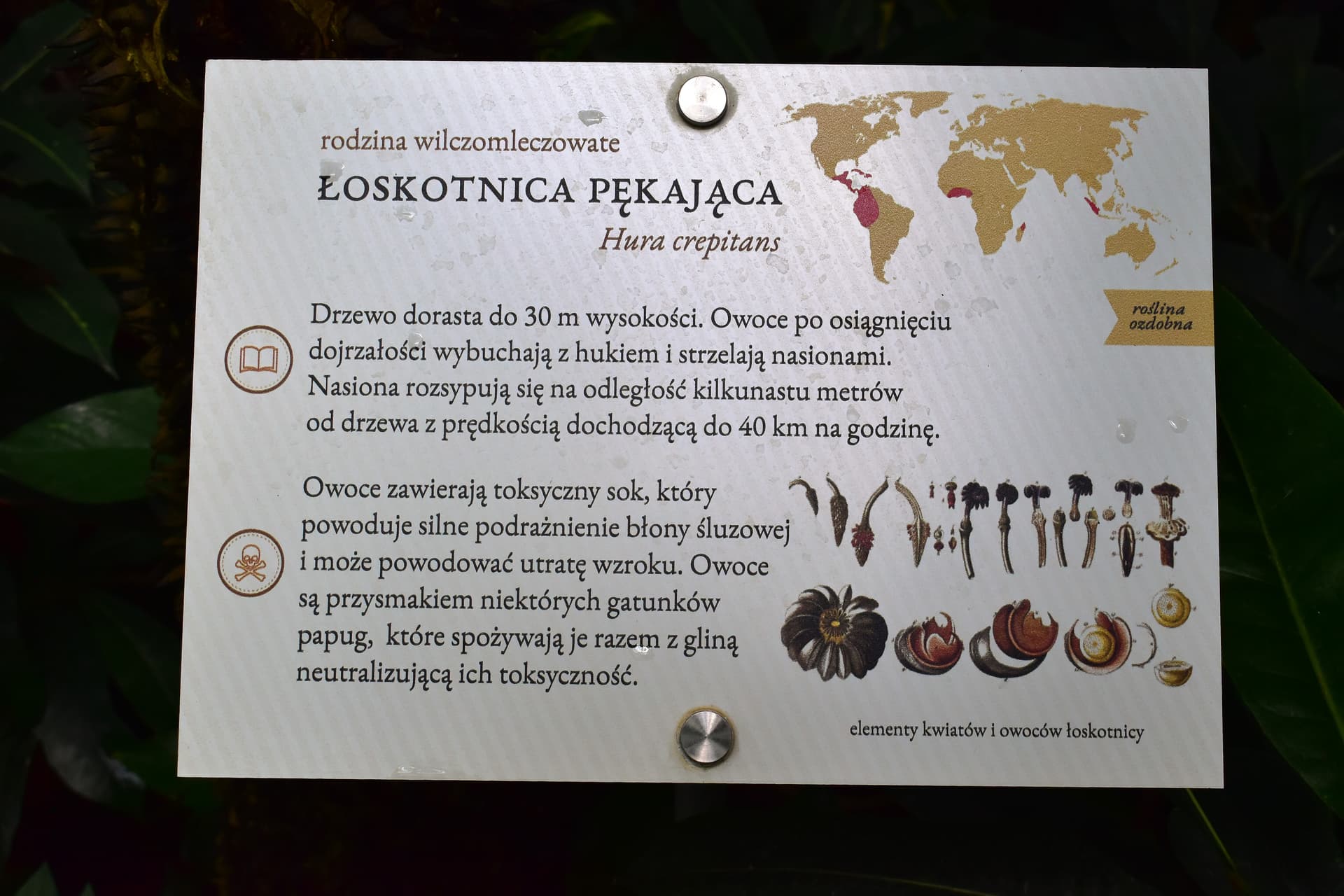
The Sandbox Tree is one of the most dramatic trees in Trinidad and Tobago's forests: a tall, spiny-trunked giant whose seed pods explode at maturity, launching seeds up to 45 metres at speeds exceeding 70 km/h.
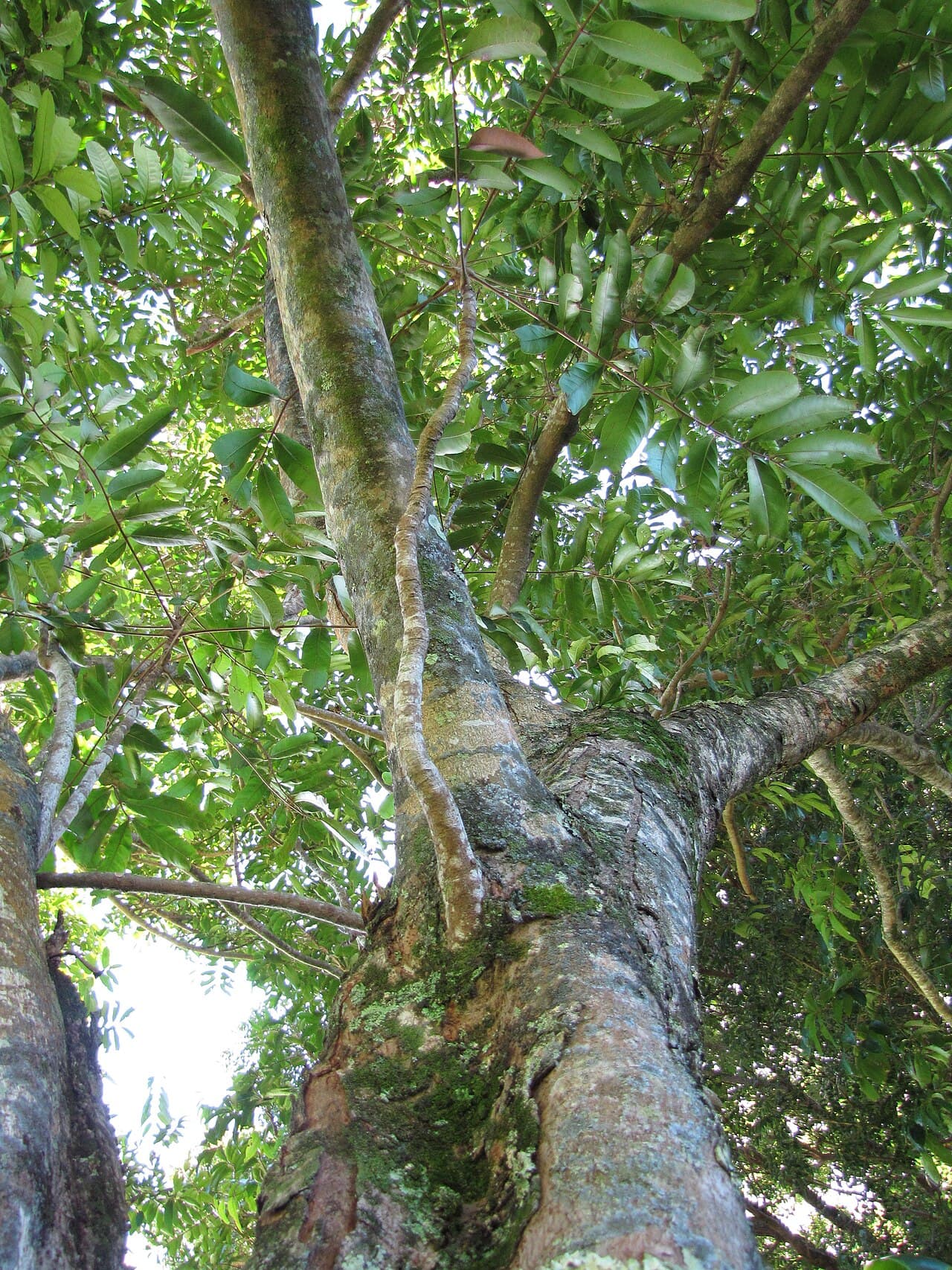
The Sandbox Tree is one of the most dramatic trees in Trinidad and Tobago's forests: a tall, spiny-trunked giant whose seed pods explode at maturity, launching seeds up to 45 metres at speeds exceeding 70 km/h. Despite its fearsome reputation, it is a native canopy tree of genuine ecological importance and a striking feature of secondary and gallery forests across both islands.
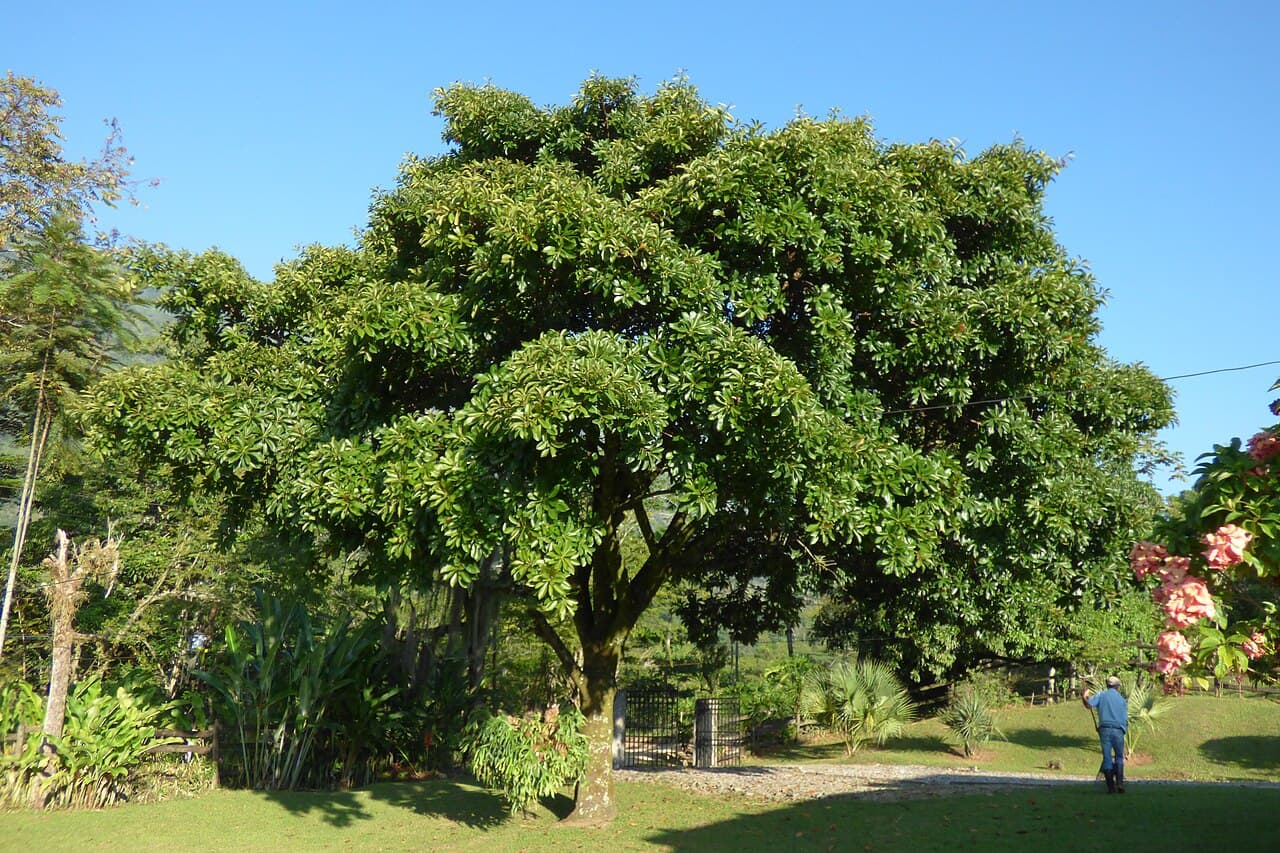
Description
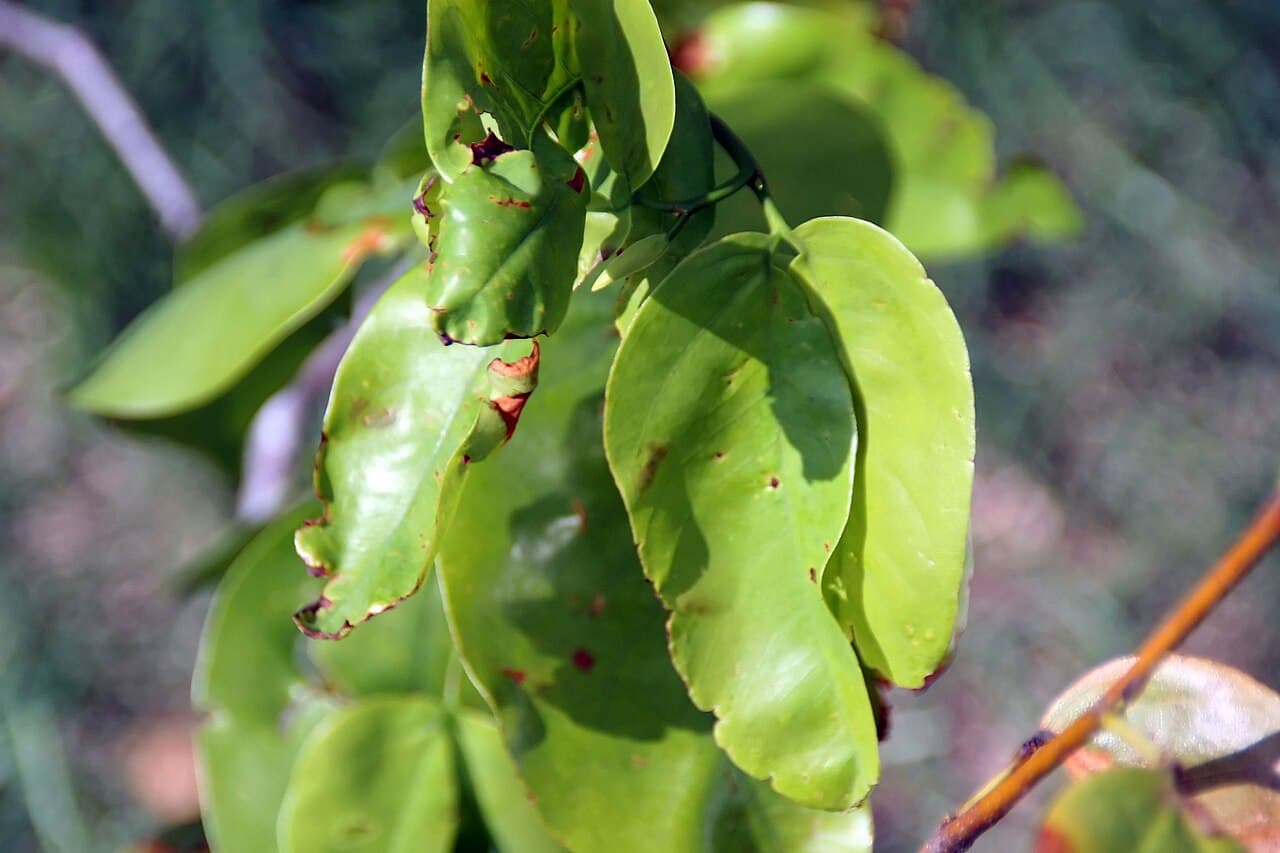
A large deciduous to semi-evergreen tree reaching 30 to 40 metres. The trunk is heavily armoured with sharp, conical spines that deter climbing animals. Bark is grey-brown and smooth between the spines. Leaves are broadly ovate with a heart-shaped base, alternately arranged on long petioles. Male and female flowers are borne separately on the same tree; the small red male flowers cluster in elongated catkins, while the female flowers are solitary and inconspicuous. The fruit is the tree's most remarkable feature: a flattened, pumpkin-shaped woody capsule up to 8 cm across, divided into 15 to 20 segments. When fully ripe and dry, the capsule dehisces explosively with a loud crack, hurling the flat, disc-shaped seeds in all directions.
Ecology
Sandbox trees grow in a range of lowland and mid-elevation forest types across Trinidad and Tobago, including gallery forest along watercourses, humid secondary forest, and disturbed forest edges. The ballistic dispersal mechanism is one of the most powerful in the plant kingdom; seeds can travel 45 metres or more from the parent tree, allowing rapid colonisation of canopy gaps and clearings. All parts of the tree are toxic: the milky latex sap causes severe skin irritation and can cause temporary blindness on contact with eyes, and the seeds contain the toxin hurin. Despite this, some mammals have been observed consuming seeds. The densely spined trunk discourages epiphyte establishment and reduces the species's value as a nest site for cavity-nesting birds.
Cultural Significance
The common name "sandbox" derives from the historical practice of slicing the immature fruit in half and filling the halves with fine sand, which were then used as desk inkblot driers during the era of quill pens. Dried capsule halves were traded as curiosities throughout the Caribbean and Europe. Locally the tree is sometimes called sablier (from the French for hourglass or sand-timer, for the same reason). In traditional Caribbean medicine, the latex and bark have been used as strong purgatives, though their toxicity makes such use dangerous. The light, easy-to-work timber has been used for light construction, crates, and matchsticks.
Threats
- Removal from residential areas
- Gallery forest clearing