Fish
Fish
Swamp Eel
Synbranchus marmoratus
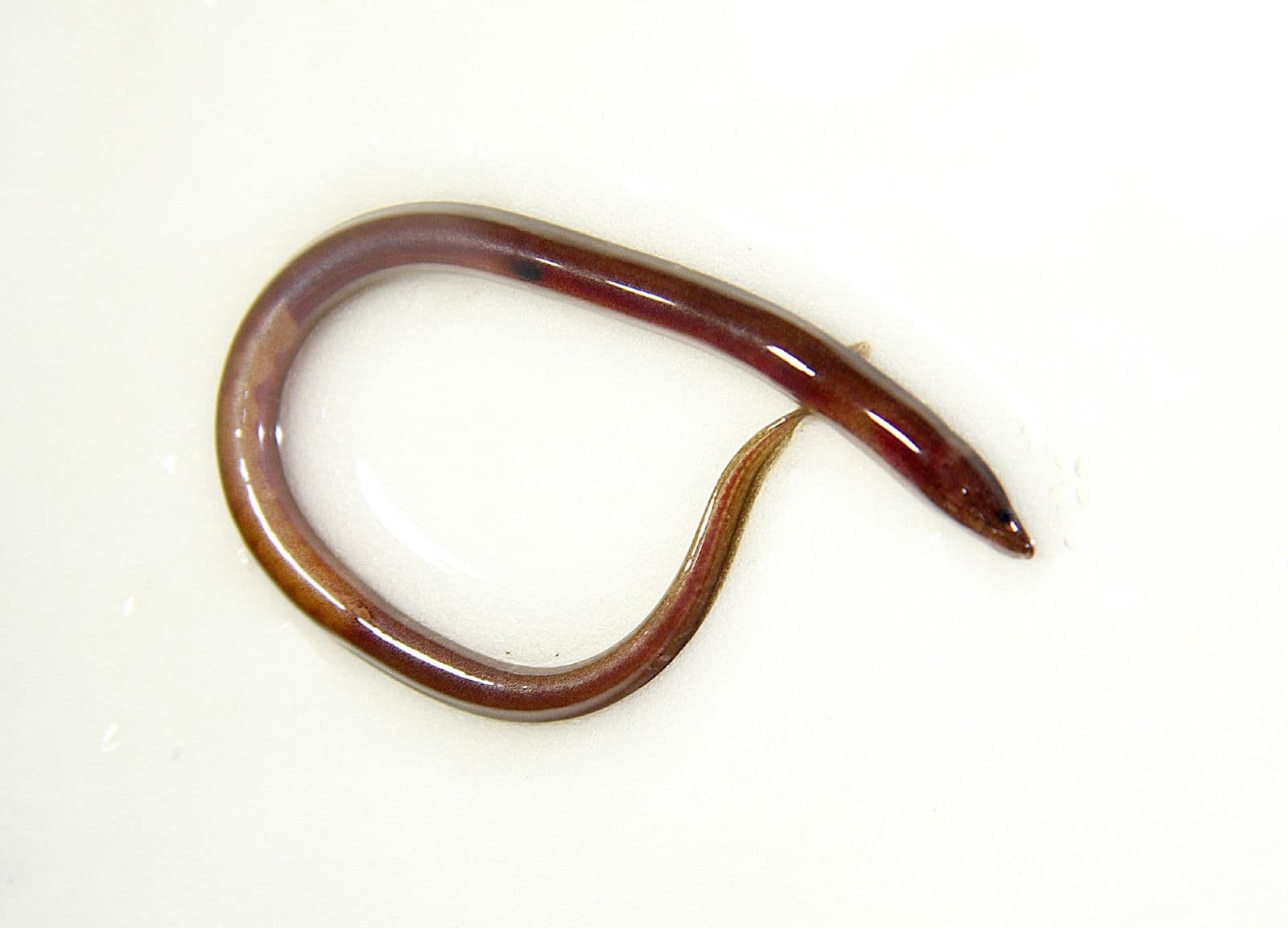
Known locally as the zangee, the swamp eel is not a true eel at all but an air-breathing fish wonderfully adapted to swampy, oxygen-poor water.
Known locally as the zangee, the swamp eel is not a true eel at all but an air-breathing fish wonderfully adapted to swampy, oxygen-poor water. Its long, scaleless, snake-like body and habit of gulping air let it survive in stagnant ditches, ponds and flooded ground where most fish would suffocate. It can even endure dry spells buried in damp mud.
Appearance
The body is elongate and cylindrical, tapering to a point, with the dorsal and anal fins reduced to low ridges and the pelvic and pectoral fins absent altogether. Colour is a marbled or mottled brown that gives the species its scientific name marmoratus. The two gill openings are fused into a single slit beneath the head, and adults commonly reach around 50 cm, with large individuals approaching 1.5 m.
Behaviour
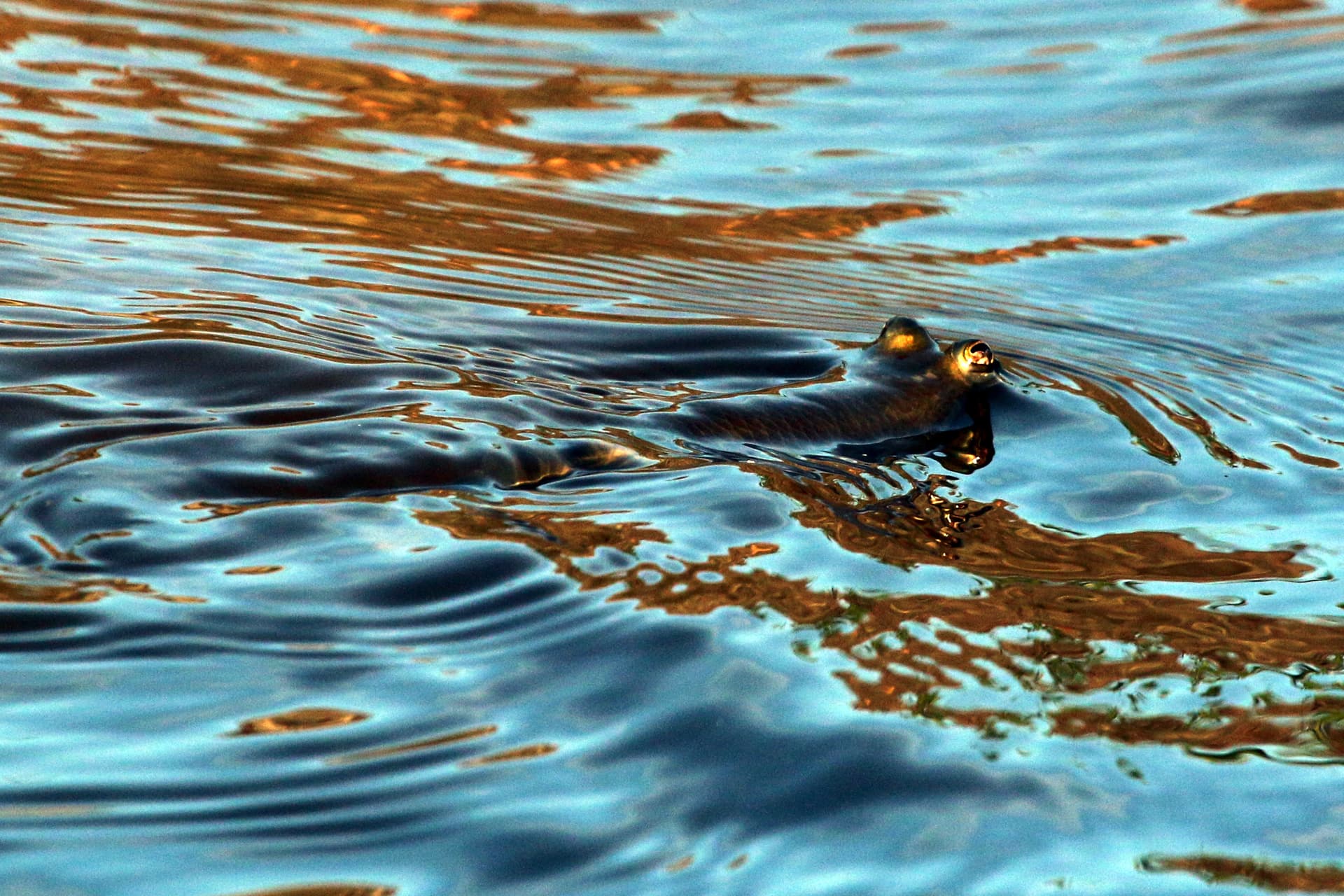
The swamp eel is a nocturnal predator that hides by day in burrows, leaf litter or among submerged roots and emerges after dark to hunt. Its defining feature is facultative air-breathing: the richly vascularised lining of the mouth and pharynx absorbs atmospheric oxygen, so the fish can gulp air at the surface or move overland across wet ground.
During drought it can survive for long periods sealed in a moist mud burrow, breathing air until the water returns.
Diet and breeding
It is an opportunistic carnivore, taking small fish, frogs, tadpoles, shrimp, insects and other invertebrates encountered at night. A remarkable feature is its sex change: many individuals begin life as females and later become males, a form of protogynous hermaphroditism. Males guard the eggs in a burrow and have been recorded tending the developing young, unusual parental care for a fish of this kind.
In Trinidad and Tobago
In Trinidad the zangee is a familiar inhabitant of freshwater and brackish swamps, drains, canals and rice fields, and it features in local folklore and bush cooking. Its air-breathing ability lets it persist in degraded and seasonally dry wetlands where other fish vanish. The species is widespread across Central and South America and is not considered globally threatened.