Reptile
Reptile
Machete Savane
Chironius carinatus carinatus
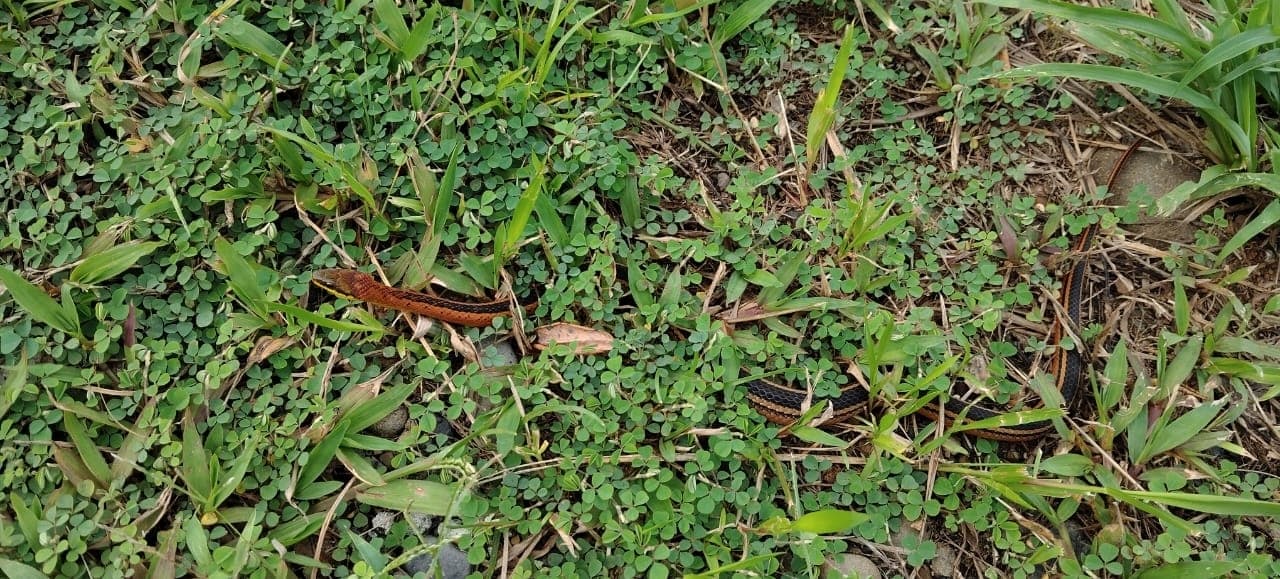
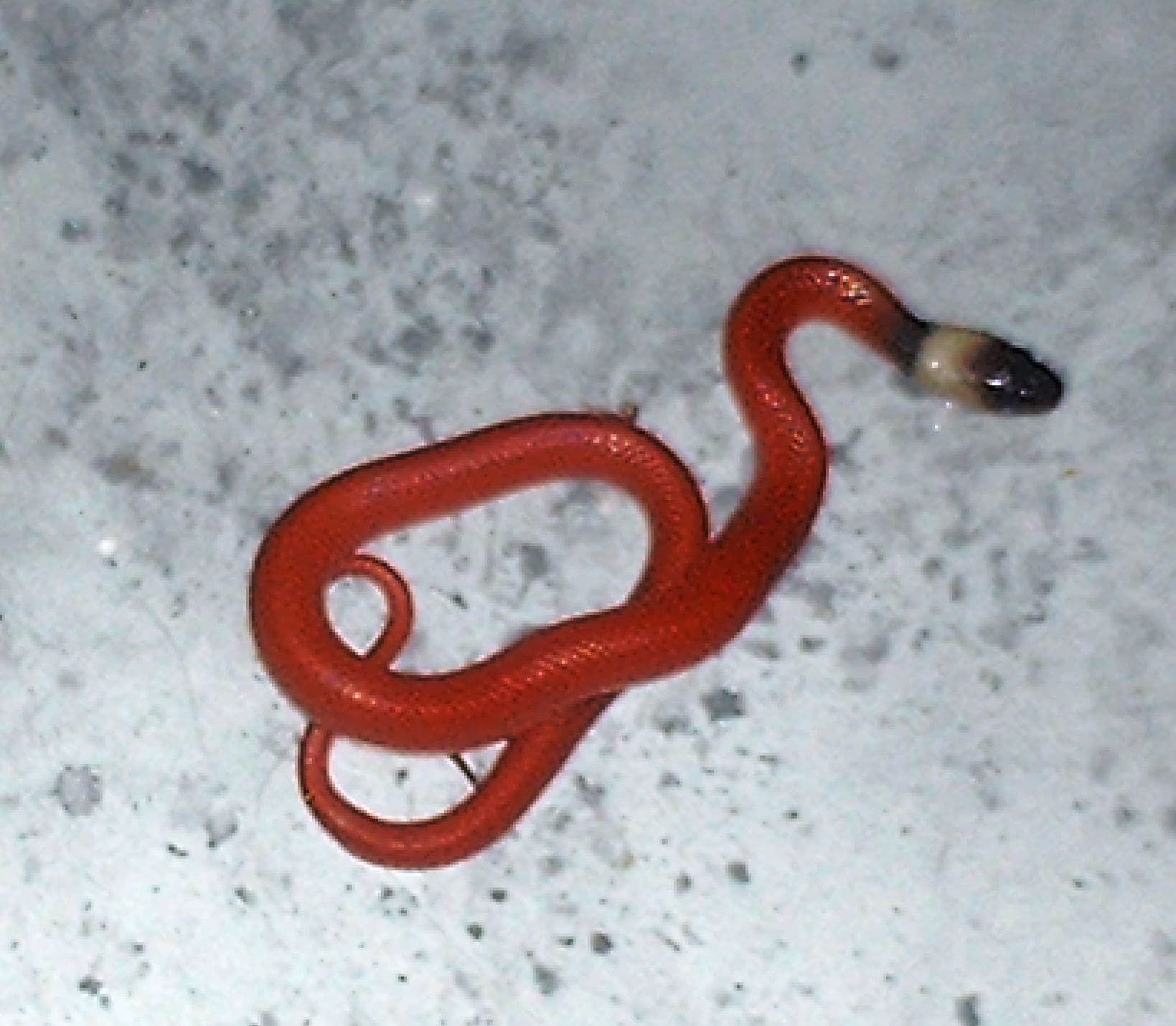
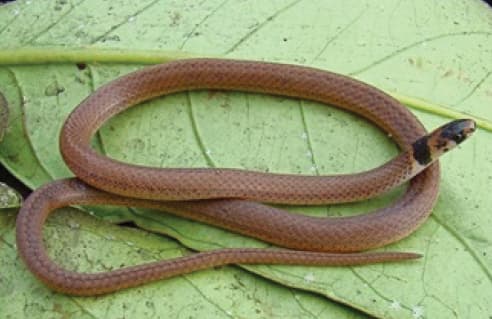
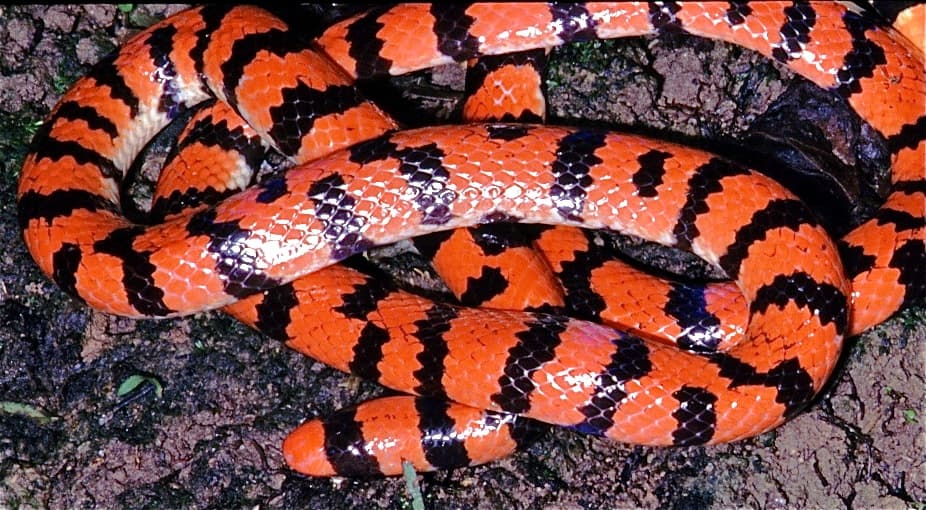
The Machete Savane is a large, fast-moving diurnal colubrid and one of the most frequently encountered snakes in Trinidad.
The Machete Savane is a large, fast-moving diurnal colubrid and one of the most frequently encountered snakes in Trinidad. Non-venomous and entirely harmless to humans, it is an important predator of frogs, toads, and lizards throughout the island's forests and secondary growth. Its large size and swift movement often cause alarm, but it is fully protected by law and plays a vital ecological role in keeping amphibian and lizard populations in check.
Description
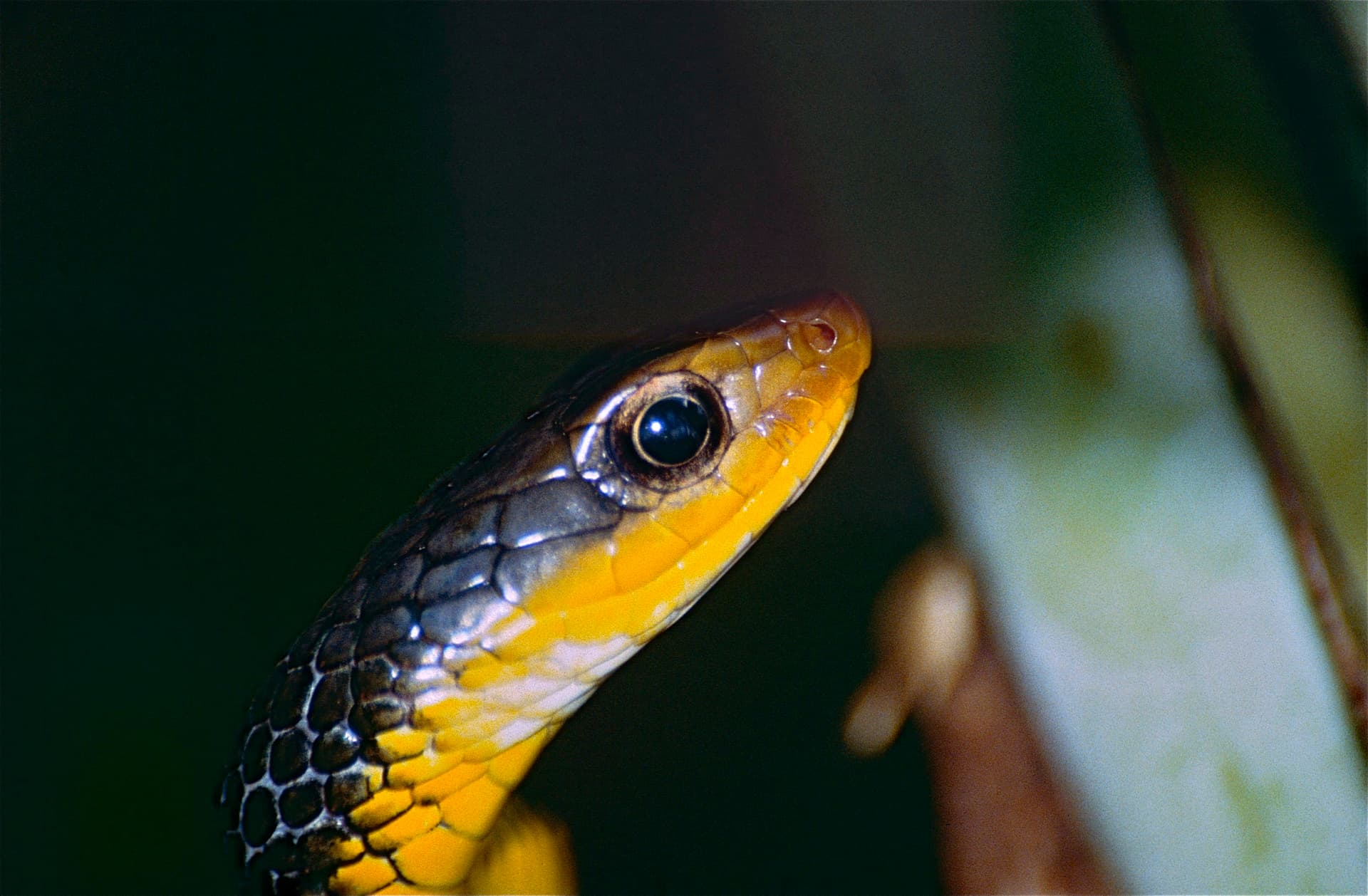
Chironius carinatus carinatus is a large, slender colubrid reaching up to 2 m or more. The dorsal colour is uniform olive-green, dark green, or brownish-green; the belly is yellowish or pale cream. The head is long and narrow, the eyes are large, and the body is slender relative to other large T&T snakes. A diagnostic feature is the single keeled mid-dorsal scale row (the keel that gives the species its Latin name carinatus). The scales have an iridescent sheen visible in good light, and juveniles are often more brownish or with faint blotching that fades with age.
Ecology
Active during the day and among the fastest snakes on the island, the Machete Savane hunts frogs, toads, and lizards actively through forest floor, stream margins, secondary growth, and agricultural land. When approached it typically flees rapidly, using its speed and slender profile to disappear through vegetation. If cornered or approached suddenly, it will vibrate the tail, hold its ground, and strike. The bite, while capable of drawing blood due to the sharp recurved teeth, carries no venom and is not medically significant.
Conservation
The Machete Savane is restricted to Trinidad within T&T; the closely related Long-tailed Machete Savane (C. multiventris septentrionalis) also occurs on Trinidad, and the two species are essentially indistinguishable in the field without scale counts. A third species, C. scurrulus, is recorded from a single doubtful specimen. The Machete Savane is found across a wide range of mainland South America and into Central America. Fully protected under the Conservation of Wildlife Act.
Threats
- Road kills: high mortality due to fast, diurnal ground movement crossing roads
- Persecution: killed on sight due to large size
- Habitat loss and forest fragmentation