Reptile
Reptile
Long-tailed Machete Savane
Chironius multiventris septentrionalis
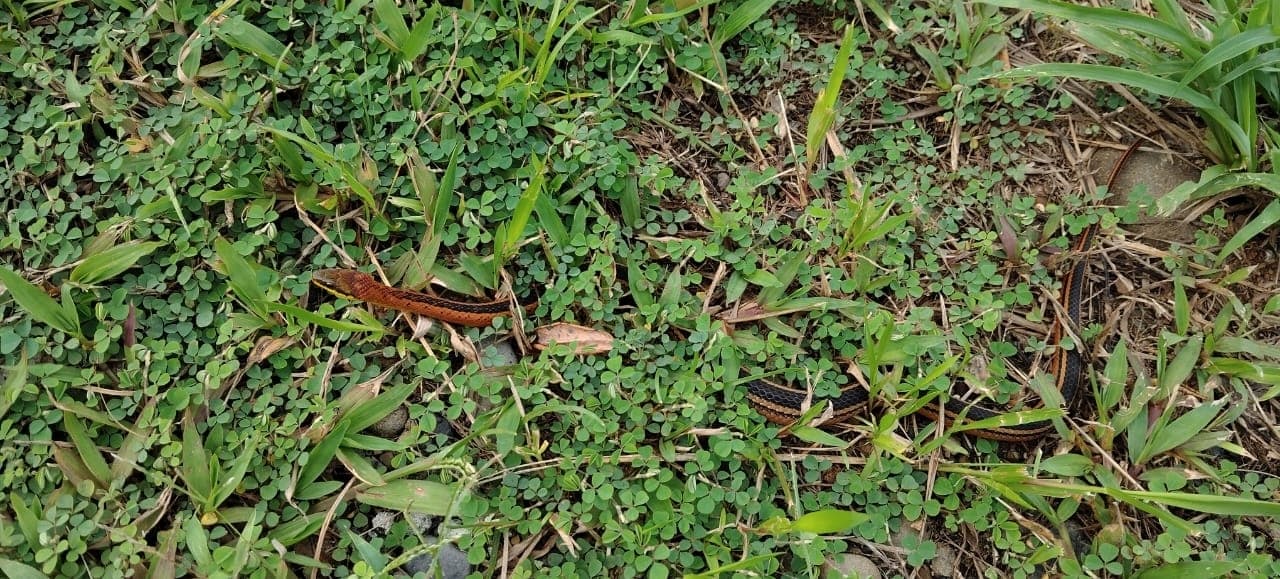
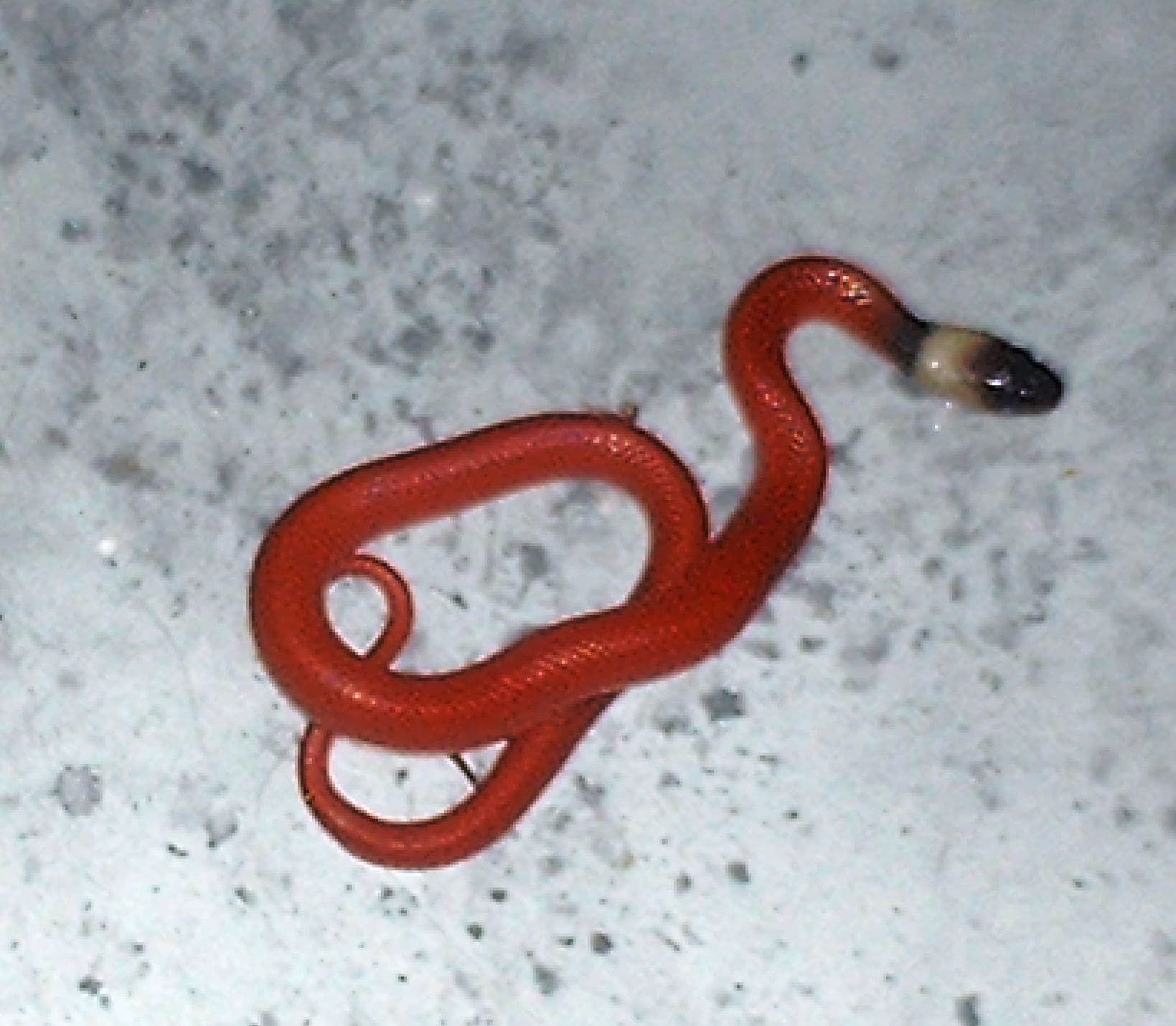
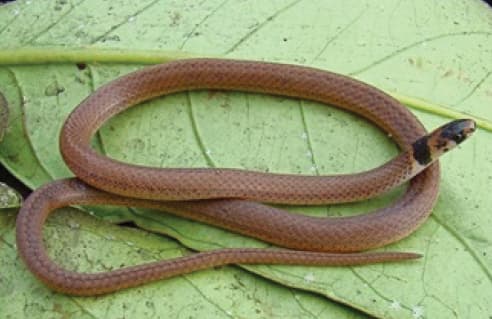
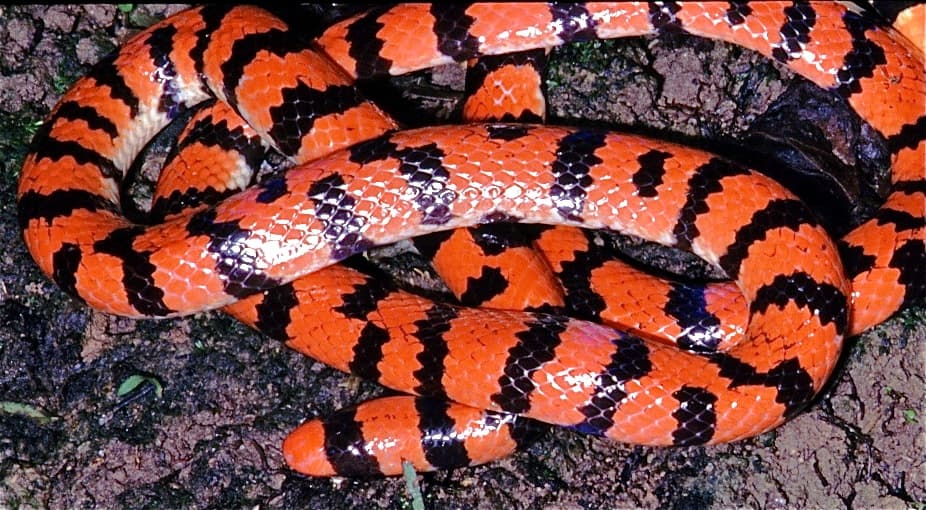
The Long-tailed Machete Savane is a large, fast-moving diurnal colubrid found in Trinidad.
The Long-tailed Machete Savane is a large, fast-moving diurnal colubrid found in Trinidad. A close relative of the common Machete Savane (Chironius carinatus), it is distinguished by its proportionally longer tail and differences in the number of ventral scale rows. Like its congener, it is a non-venomous predator of frogs and lizards, fully protected by law, and encountered far more often than it is recognised as a distinct species.
Description
Chironius multiventris septentrionalis is a large, slender colubrid reaching up to approximately 2 m. The dorsal colour is olive to dark green above, transitioning to a pale yellowish or cream belly. The distinguishing feature from C. carinatus is the proportionally longer tail (uropygium), which accounts for a greater percentage of total body length, along with differences in the number of rows of keeled dorsal scales and ventral scale counts. In the field, the two species are very easily confused; reliable identification requires counting scales or comparative reference material.
Ecology
Ecologically this species parallels the Machete Savane closely: a fast, diurnal hunter active during daylight hours, ranging through forest, forest edges, and secondary growth in search of frogs, toads, and lizards. It is semi-arboreal, ascending into low trees and shrubs, but also hunts on the forest floor and along stream banks. When cornered it may vibrate the tail and strike, but the bite is not medically significant.
Conservation
The subspecies septentrionalis denotes the northern (Trinidad) population of C. multiventris. The nominate subspecies occurs in South America. The species is restricted to Trinidad within T&T; there are no confirmed records from Tobago. It is fully protected under the Conservation of Wildlife Act.
Threats
- Persecution and road kills
- Habitat loss and forest fragmentation
- Misidentification as venomous species leading to killing