Reptile
Reptile
High-Woods Coral
Liophis reginae zweifeli
The High-Woods Coral is a small, attractively coloured colubrid found in forested habitats on both Trinidad and Tobago.
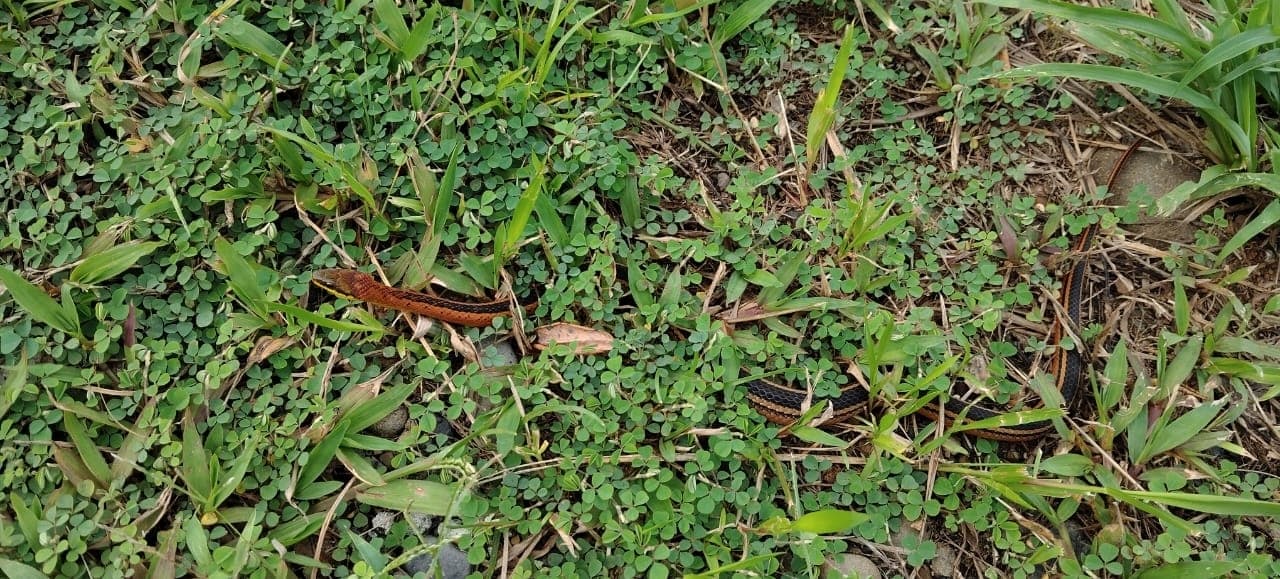
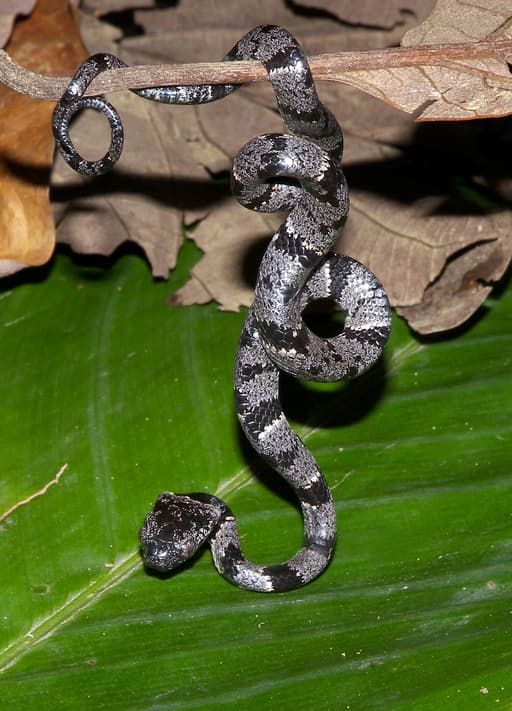
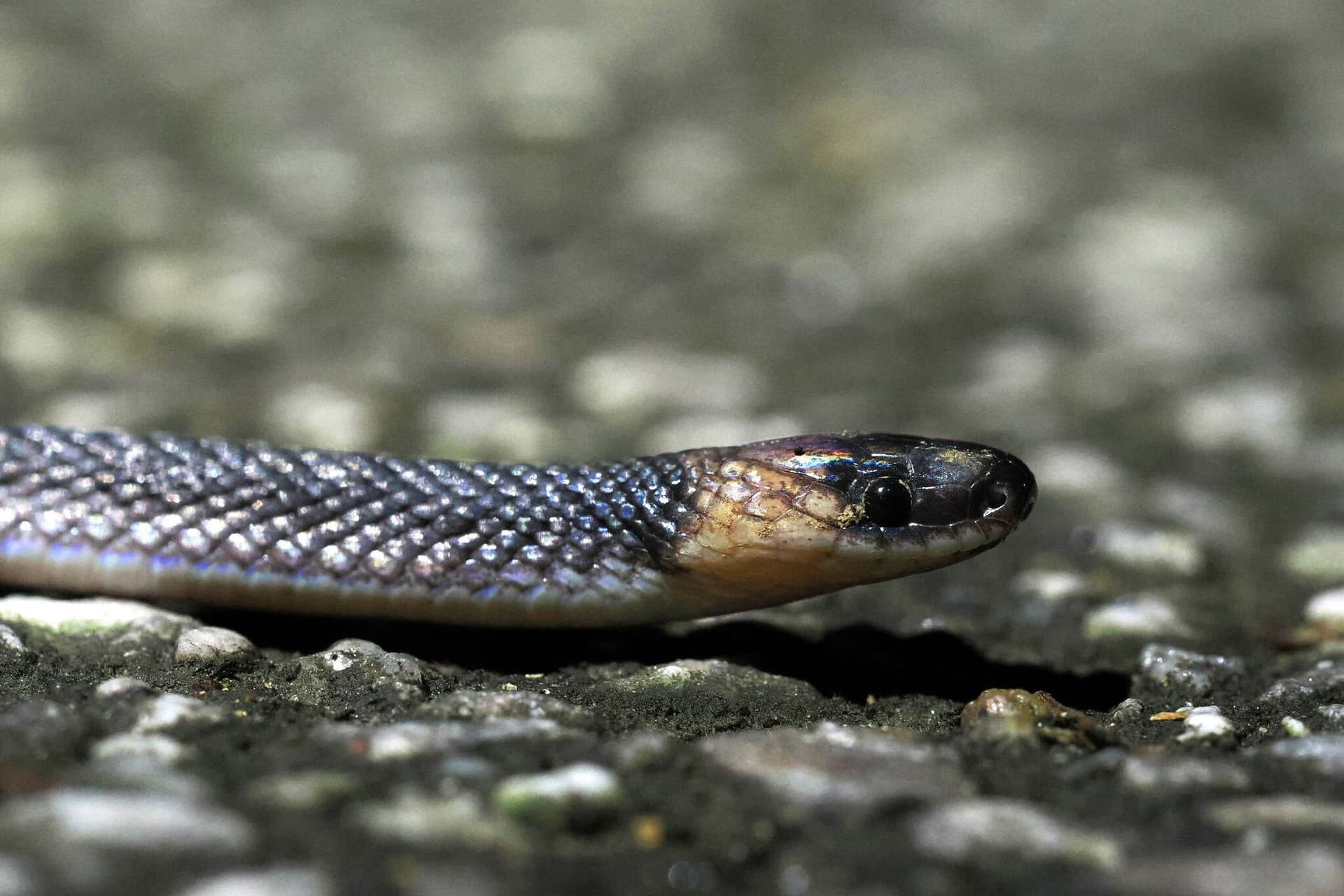
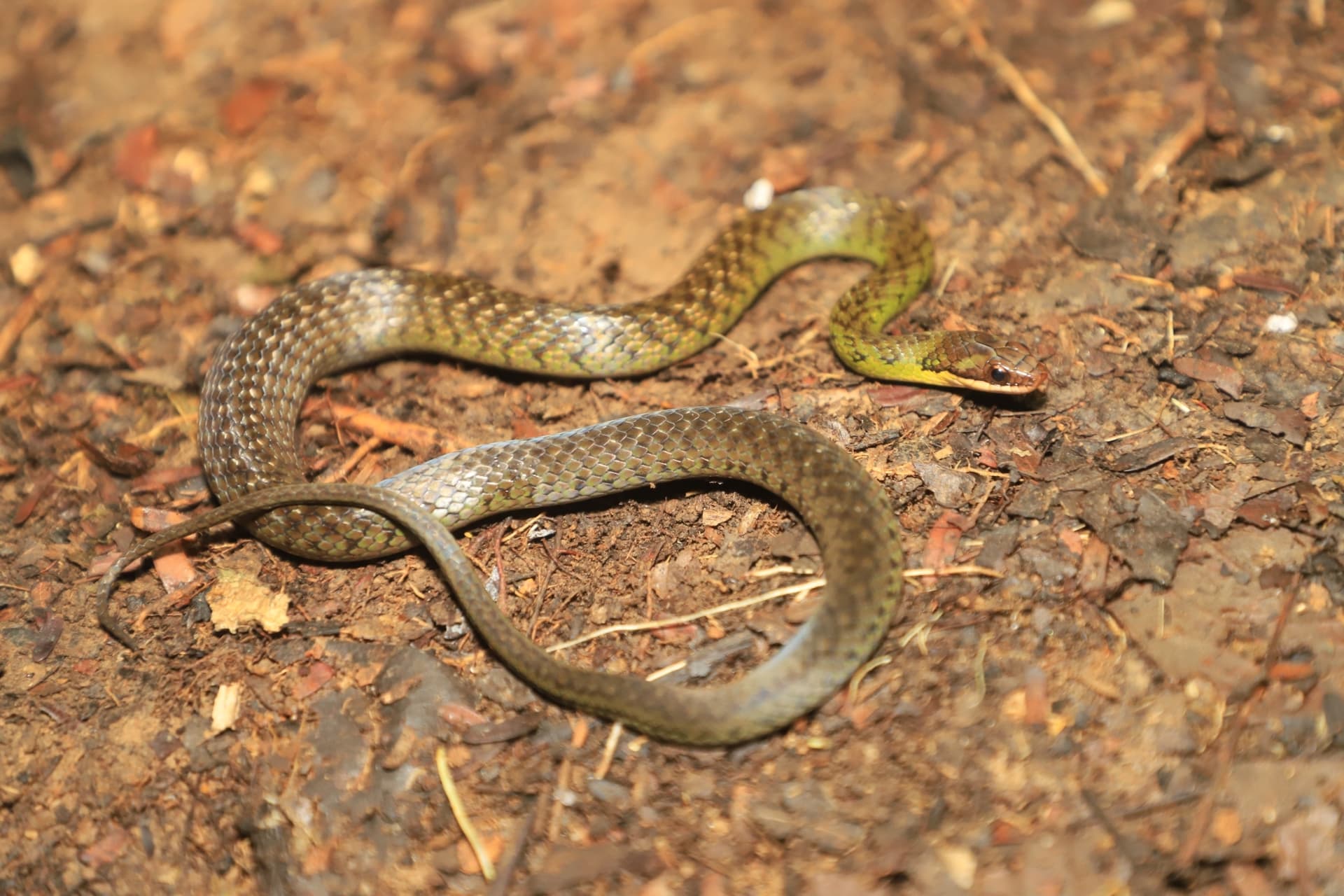
The High-Woods Coral is a small, attractively coloured colubrid found in forested habitats on both Trinidad and Tobago. Despite its name, it is not a true coral snake and bears no relationship to the venomous Elapidae. A diurnal forest-floor species, it feeds on small lizards and frogs and is completely harmless. The "coral" in its name refers to its vivid belly colouration, not its taxonomy.
Description
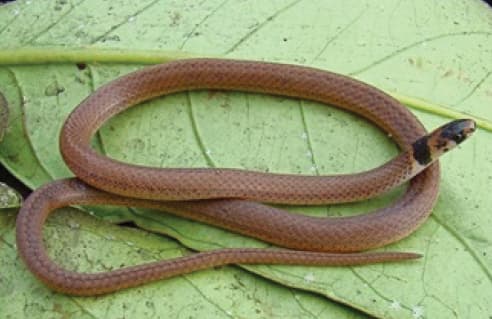
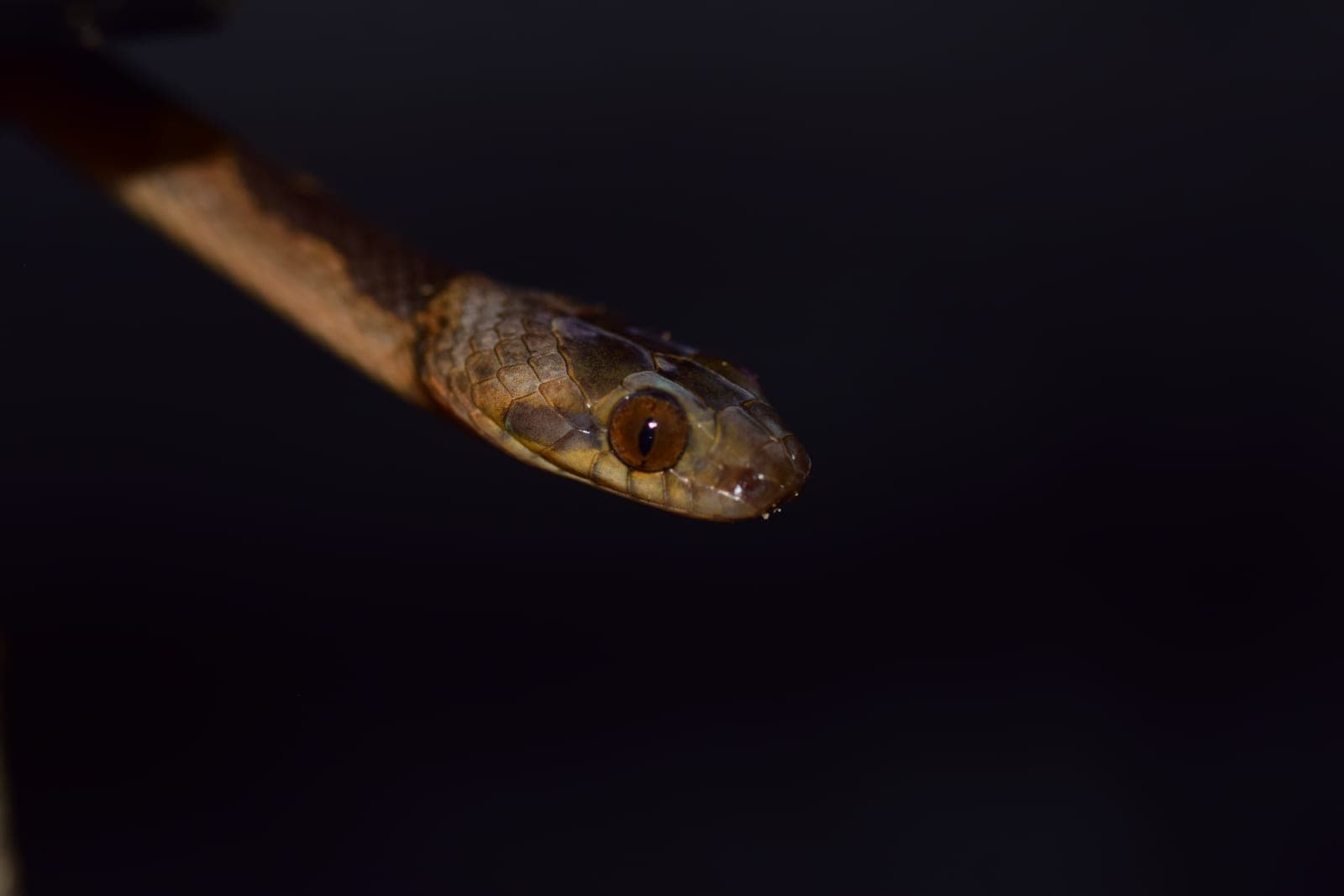
Liophis reginae zweifeli is a small, slender snake reaching approximately 40 to 70 cm. The dorsal surface is olive-brown to greyish, typically with some darker dorsal patterning; the belly is pale with orange, red, or yellow tones that become more vivid toward the tail region. This ventral colouration is the feature that gave the species its common name. The subspecies zweifeli is the form described from Trinidad and Tobago, distinguishable from other L. reginae populations by scale and colour characteristics.
Ecology
A diurnal and terrestrial hunter, the High-Woods Coral actively forages through leaf litter and low forest vegetation for small skinks, anoles, frogs, and small invertebrates. It is fast-moving when disturbed and typically retreats rapidly into vegetation rather than holding its ground. Its foraging behaviour is typical of the genus Liophis: an active searcher rather than a sit-and-wait ambush predator, which keeps it moving through habitat and more likely to be encountered by observers.
Conservation
The "high-woods" element of its local name refers to the deep forest interior, distinguishing it from the swamp-associated mapepires. Found in humid forest on both islands, it tolerates some secondary habitat. It is not venomous, is rear-fanged with Duvernoy's gland secretions harmless to humans, and is fully protected under the Conservation of Wildlife Act.
Threats
- Persecution: killed due to the misleading "coral" name
- Habitat loss and forest clearance on both islands