
Wildlife Sanctuary · Trinidad
Valencia Game Sanctuary
Game Sanctuary · Conservation of Wildlife Act
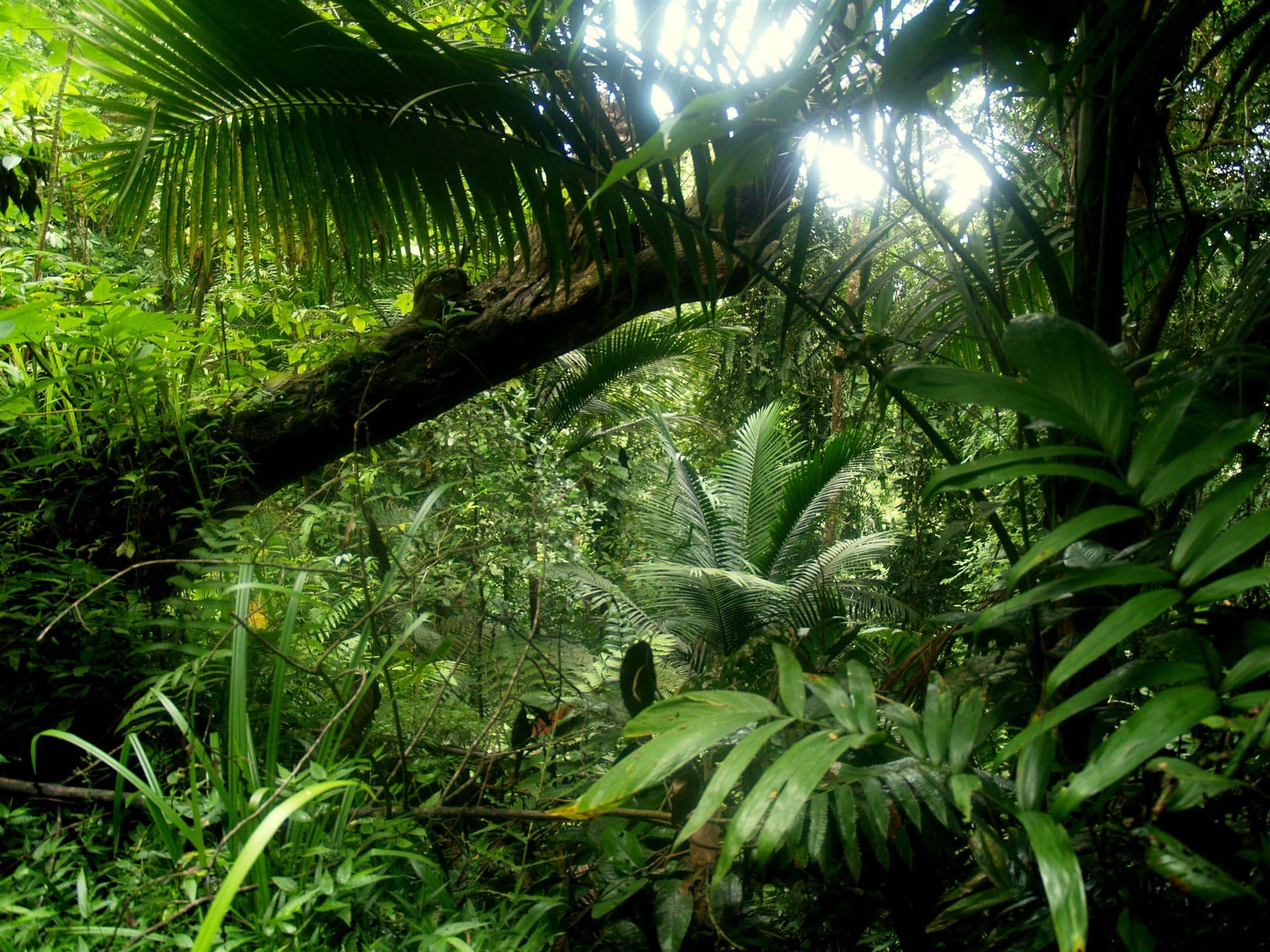
Photo: Aivar Ruukel · Tobago Forest Reserve (representative T&T lowland forest) (CC BY-SA 2.0)
The Valencia Game Sanctuary protects lowland and foothill forest at the southeastern edge of the Northern Range, forming a critical corridor between Trinidad's montane interior and the agricultural and wetland landscapes of the east.
The Valencia Game Sanctuary protects lowland and foothill forest at the southeastern edge of the Northern Range, forming a critical corridor between Trinidad's montane interior and the agricultural and wetland landscapes of the east. It is one of Trinidad's most ecologically vulnerable sanctuaries, having suffered severe forest loss to quarrying, and carries dual legal protection under both the Conservation of Wildlife Act and the Forests Act.
Situated in the Valencia district of northeast Trinidad, the sanctuary and its adjoining forest reserve together cover approximately 2,785 hectares of transitional forest at the foot of the Northern Range. The area lies at the confluence of several important watersheds, with rivers draining toward the Quare and Hollis systems that supply domestic water to communities along the east coast. The forest canopy - where intact - supports around 50 recorded bird species, including antbirds, manakins, flycatchers, trogons, and various tanagers, alongside mammals such as the red-rumped agouti, red brocket deer, armadillo, and opossum.
The Valencia sanctuary has experienced some of the most severe documented habitat loss of any protected area in Trinidad and Tobago. Aerial photograph analysis found that approximately 75 per cent of the forest within the wildlife sanctuary boundary was lost to quarrying operations, with the broader Valencia forest area estimated to have lost roughly 95 per cent of its original cover to degradation and fragmentation by 1994. The scale of this loss inside a gazetted protected area represents one of the starkest failures of enforcement in the country's conservation record.
The sanctuary is declared a prohibited area under the Forests (Prohibited Areas) Order - subsidiary legislation made under the Forests Act, Chap. 66:01 - in addition to its Game Sanctuary status under COWA. This dual legal framework means that entry without authorisation and activities such as clearing, hunting, and resource extraction are offences under both statutes. Recovery of the degraded forest zones will require active restoration investment and sustained enforcement to close the gap between the sanctuary's legal designation and its ecological reality on the ground.
Why This Matters
The Valencia Game Sanctuary was intended to protect the transitional forest at the southeastern foot of the Northern Range, a landscape that functions as a biological corridor between the mountains and the agricultural and wetland country of the east, and as a freshwater catchment for rivers serving northeast Trinidad. The ecological case for protecting it was always clear. What happened instead was one of the most documented enforcement failures in the country's conservation history: by 1994, aerial photographs showed that approximately 75 percent of the forest within the sanctuary boundary had been lost to quarrying operations.
That fact deserves to be stated plainly, not as a reason for despair, but as a measure of what inadequate enforcement costs. The species, watersheds, and ecological connections that depended on that forest cannot simply be called back. But what remains is still worth protecting, and the forests that were lost can, with sustained investment and political will, be restored. The Valencia River and Quare catchment systems that drain from this area still have value; the corridor function between the Northern Range and the eastern lowlands is still ecologically real; the birds and mammals that persist in the remaining forest fragments still need those fragments to survive.
The Valencia sanctuary is, in a sense, a test case for whether Trinidad's conservation institutions have learned from past failure. The dual legal protection under both the Conservation of Wildlife Act and the Forests Act is in place. What the landscape needs now is enforcement that matches the law, restoration investment in cleared areas, and a sustained commitment to the idea that protected areas mean something, even when the economic pressure to exploit them is significant.
Legal Protections
This sanctuary is gazetted under the Conservation of Wildlife Act. Hunting, trapping, and disturbance of wildlife within its boundaries is a criminal offence. Penalties include fines and imprisonment. If you witness illegal activity within this sanctuary, report it immediately.
Report a ViolationCurrent Threats
- Quarrying and aggregate extraction
- Continued forest degradation and fragmentation
- Agricultural encroachment
- Illegal hunting and poaching
- Inadequate enforcement
- Watershed degradation and sedimentation
- Bushfire
Primary Sources & Legal Citations
- Conservation of Wild Life Act, Chap. 67:01 · First Schedule, Item 2
- Forests (Prohibited Areas) Order, Chap. 66:01 · Subsection (14)[GN 62/1999]
Location
Valencia Game Sanctuary is centred at approximately 10.645° N, 61.175° W.
Related Protected Areas
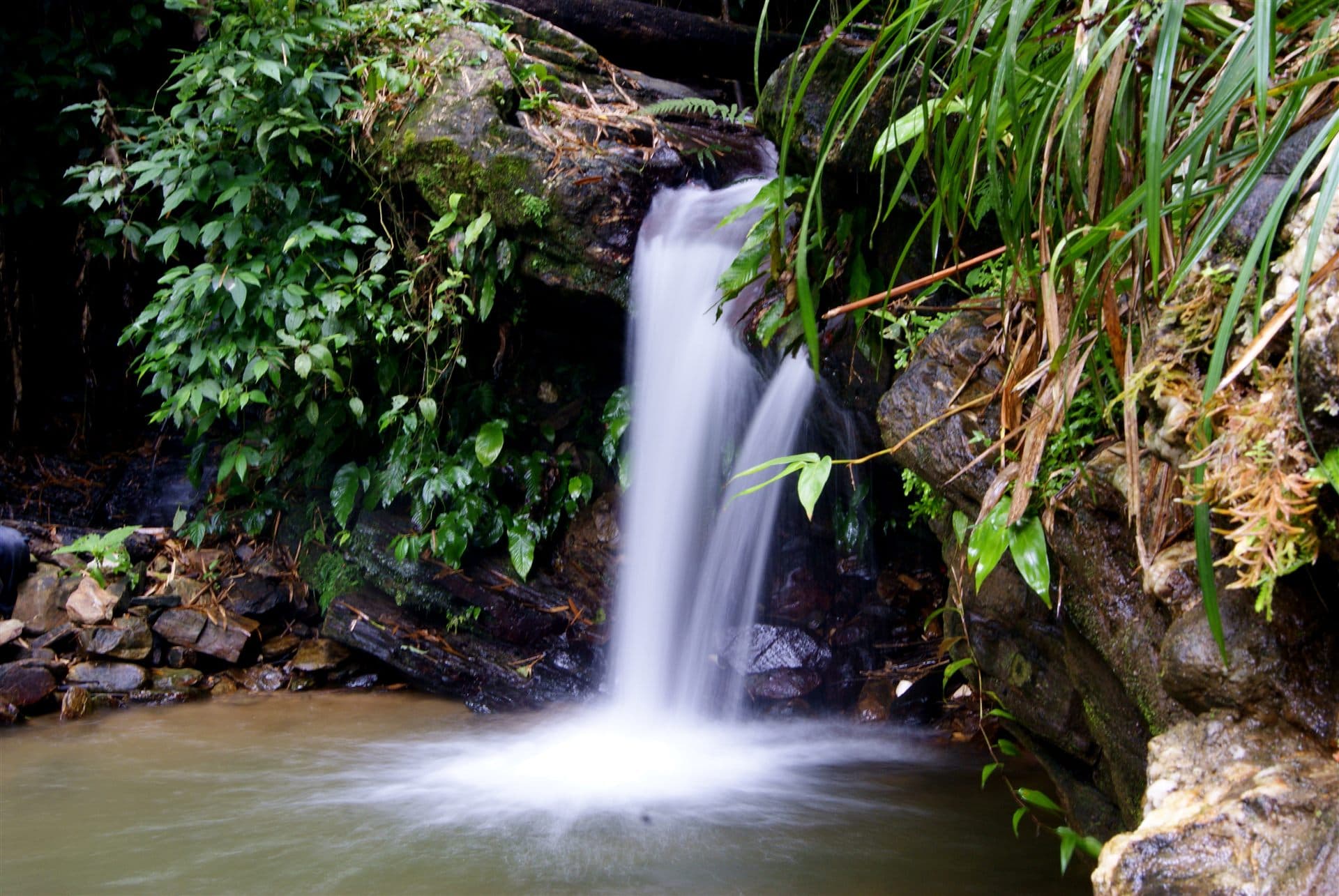
Northern Range Game Sanctuary
Game Sanctuary · Conservation of Wildlife Act
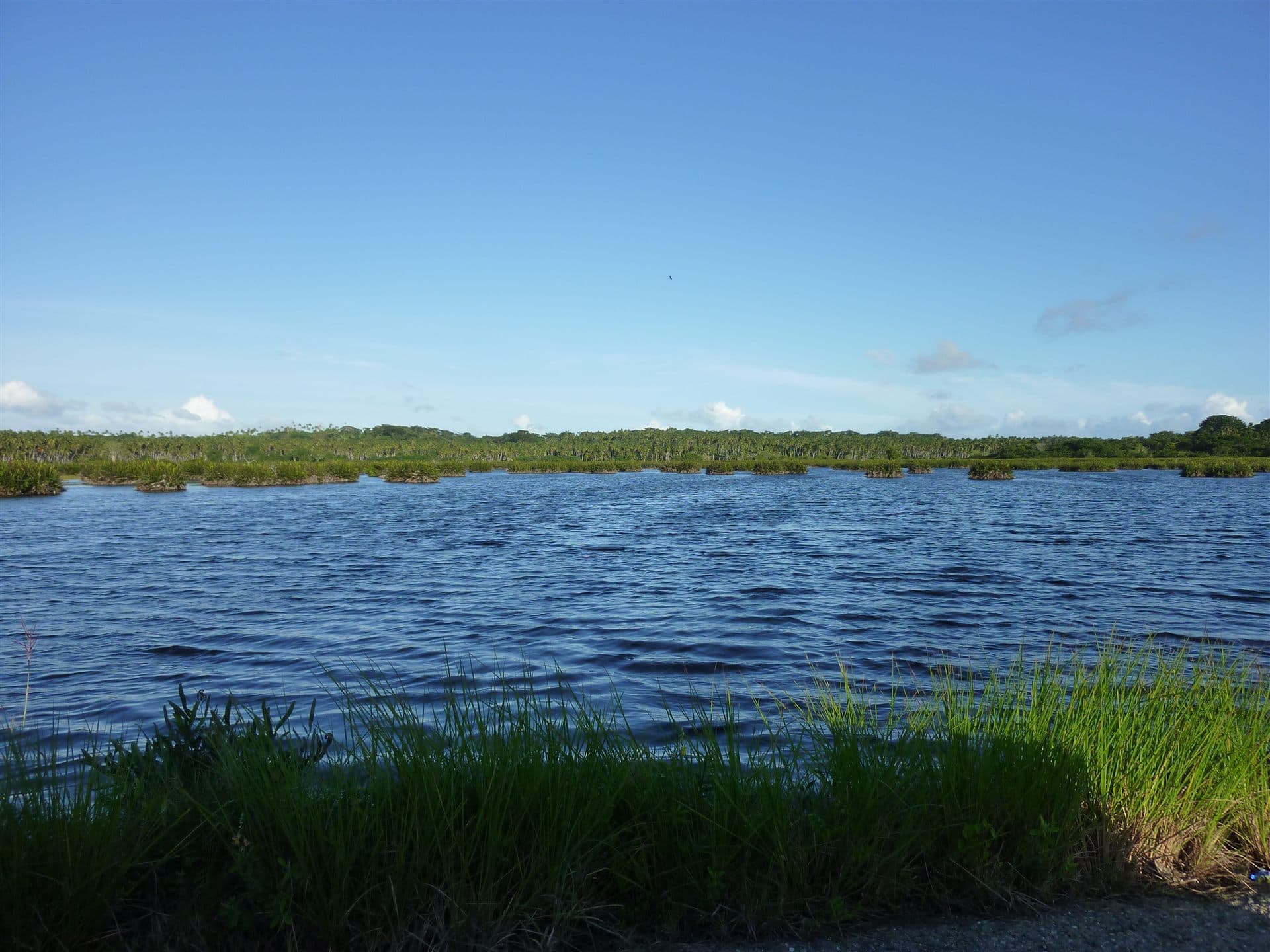
Central Range Game Sanctuary
Game Sanctuary · Conservation of Wildlife Act
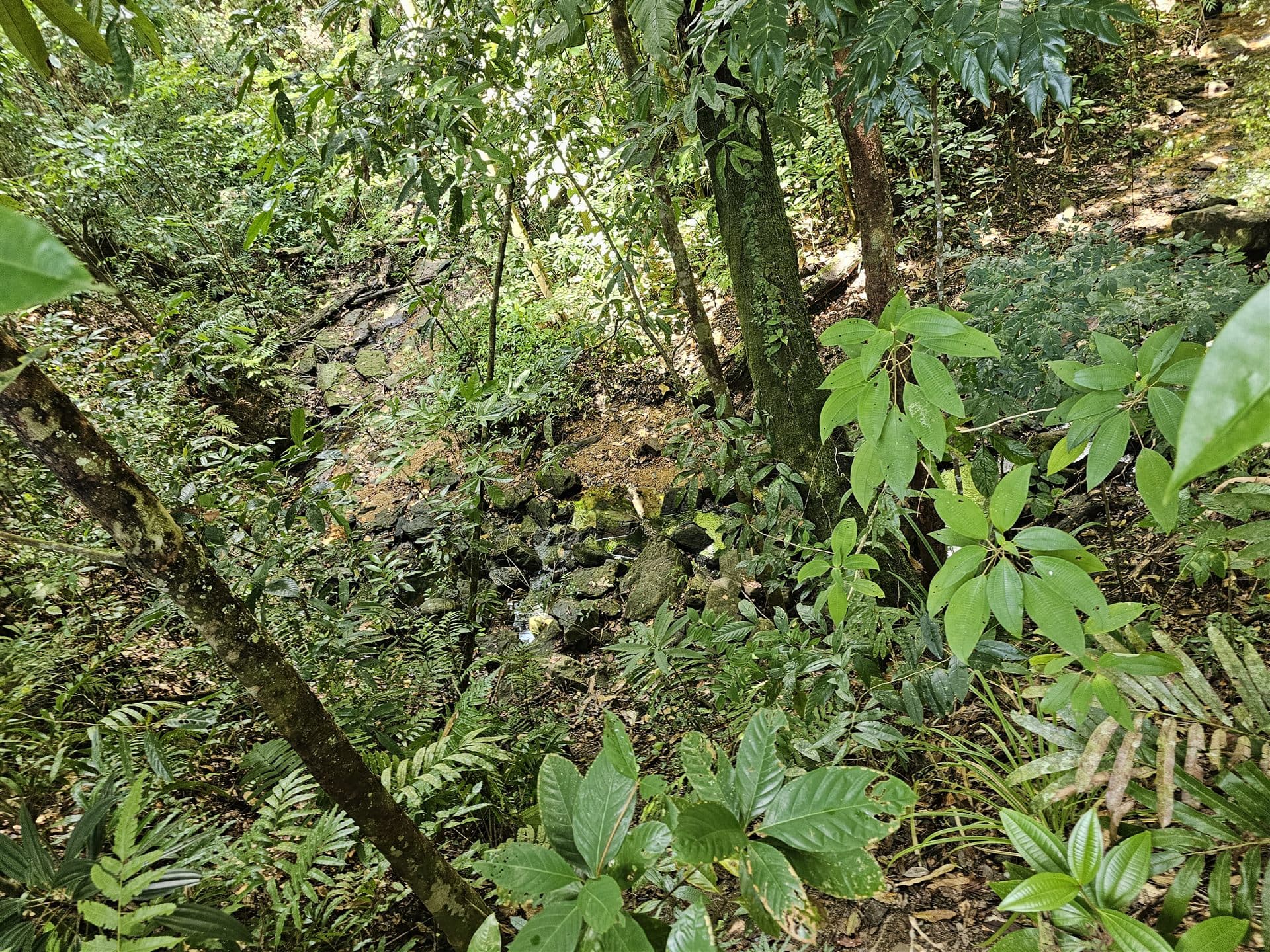
Morne L'Enfer Game Sanctuary
Game Sanctuary · Conservation of Wildlife Act
Southern Watershed Game Sanctuary
Game Sanctuary · Conservation of Wildlife Act
Saut d'Eau Game Sanctuary
Game Sanctuary · Conservation of Wildlife Act
Trinity Hills Game Sanctuary
Game Sanctuary · Conservation of Wildlife Act