
Wildlife Sanctuary · Trinidad
Saut d'Eau Game Sanctuary
Game Sanctuary · Conservation of Wildlife Act
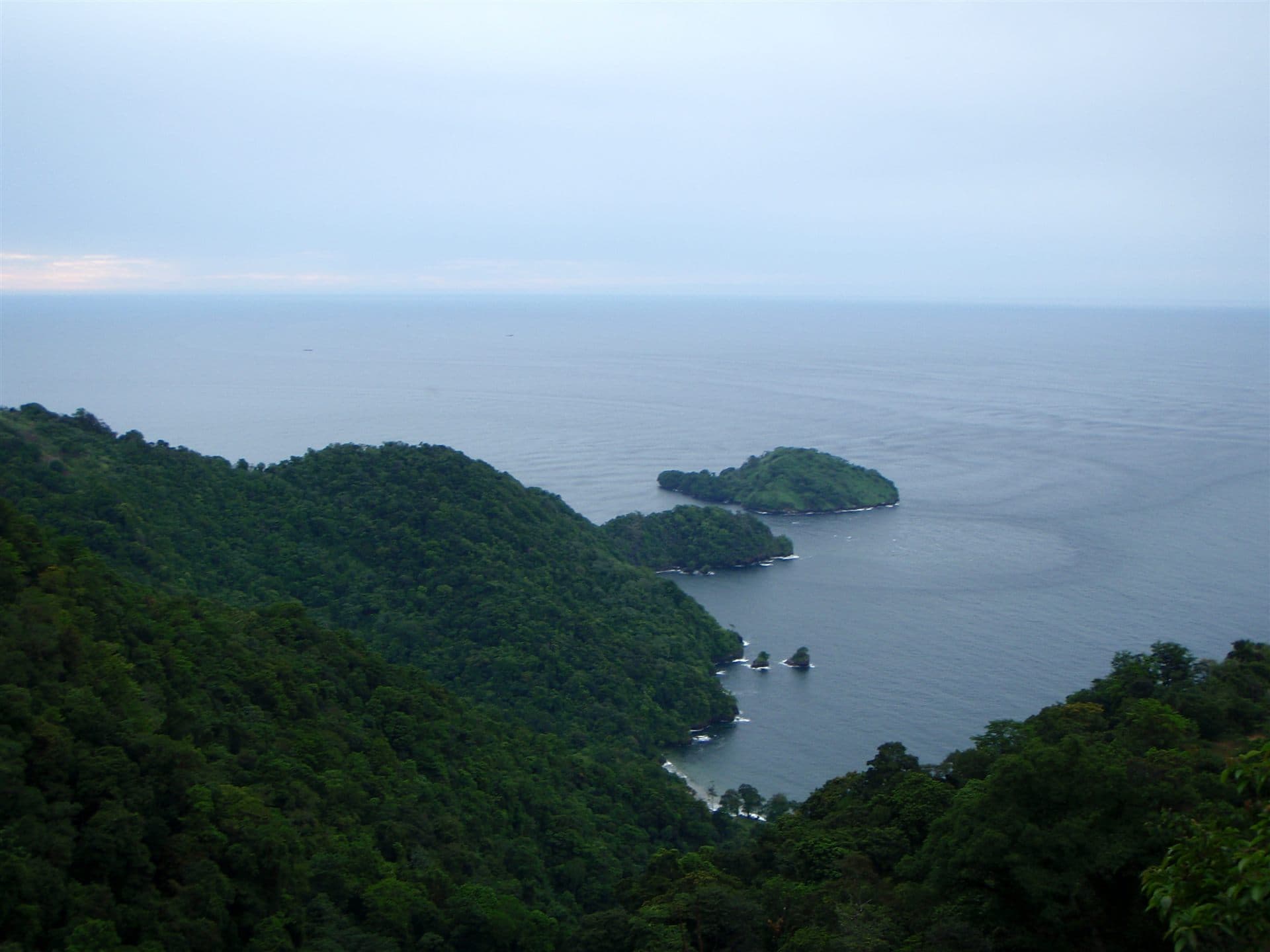
Photo: R45 · North coast of Trinidad (CC BY-SA 3.0)
Saut d'Eau - also known as Maravaca - is a small rocky islet lying roughly 500 metres off the north coast of Trinidad, gazetted as a wildlife sanctuary in 1935 to protect the only known breeding colony of Brown Pelican (Pelecanus occidentalis) in Trinidad and Tobago.
Saut d'Eau - also known as Maravaca - is a small rocky islet lying roughly 500 metres off the north coast of Trinidad, gazetted as a wildlife sanctuary in 1935 to protect the only known breeding colony of Brown Pelican (Pelecanus occidentalis) in Trinidad and Tobago. The island carries dual statutory protection: a Game Sanctuary under the Conservation of Wildlife Act and a prohibited area under the Forests Act.
Saut d'Eau covers approximately 10 hectares (100,000 m²) and rises to a high point of 106 metres, its jagged cliffs and exposed rock faces making landing difficult in all but the calmest seas. The island sits at 10°46.18′N 61°30.7′W in the Diego Martin Regional Corporation, separated from the north coast by less than half a kilometre of open water. Vegetation comprises deciduous forest, dense scrub, and coarse grass adapted to the windswept, salt-laden conditions of an exposed offshore rock.
The sanctuary's principal conservation rationale is the Brown Pelican (Pelecanus occidentalis) colony, which is the only confirmed breeding site for the species anywhere in Trinidad and Tobago. Field surveys by the Trinidad and Tobago Field Naturalists' Club (Ffrench, 1969) documented at least 27 bird species using the island, including the chestnut-collared swift and rufous-necked wood-rail among the resident and visiting avifauna. The combination of inaccessible cliffs, structurally varied vegetation, and proximity to productive north-coast foraging waters makes the island an exceptionally suitable seabird breeding refuge in a coastline otherwise dominated by mainland disturbance.
Saut d'Eau carries dual legal protection. It was first proclaimed a wildlife sanctuary by the Trinidad and Tobago Government in 1935 - one of the earliest formally protected areas in the country - and now appears as Item 7 of the First Schedule to the Conservation of Wildlife Act, Chap. 67:01, prohibiting hunting throughout the gazetted area. It is separately declared a prohibited area under the Forests (Prohibited Areas) Order made under the Forests Act, Chap. 66:01 (paragraph (14), GN 62/1999, Appendix 9), restricting unauthorised landing, clearing, or extraction. Although the island's terrain and exposed seas deter most casual incursion, warden patrols are infrequent, and the colony remains vulnerable to occasional landings, accidental introduction of rats from boats, marine pollution and oil spill risk from north-coast shipping, and longer-term shifts in forage fish availability driven by sea-surface temperature change.
Why This Matters
Saut d'Eau's significance can be measured simply: it is the only place in all of Trinidad and Tobago where the Brown Pelican breeds. This small, rocky islet rising above the sea off Trinidad's north coast was one of the first formally protected natural areas in the country, gazetted as a wildlife sanctuary in 1935, nearly 90 years ago. The pelican colony that prompted that early protection still returns each year. That continuity, a breeding population persisting on a protected site through nearly a century of change around it, is a model outcome for conservation.
Brown Pelicans are visual anchors of the Caribbean marine landscape, instantly recognisable as they course above the waves or plunge-dive for fish in the coastal waters they depend on. As large-bodied piscivores, they are part of the same food web that supports the artisanal fisheries of the north coast, and their presence in good numbers is a sign that the coastal fish populations they prey on are healthy enough to sustain them. A colony site that has persisted for generations on a legally protected island tells a story about what is possible when a small piece of critical habitat is given legal shelter and left undisturbed.
The challenge at Saut d'Eau is that the protection exists on paper while enforcement presence on the water is limited. A single landing party with rats on their boat could alter the colony's prospects fundamentally. The history of island seabird colonies worldwide is full of exactly such accidental destructions. The lesson is that the legal designation is necessary but not sufficient; what an isolated colony needs is active management, regular warden presence, and the clear communication to all users of the surrounding sea that this island is protected and its birds matter.
Legal Protections
This sanctuary is gazetted under the Conservation of Wildlife Act. Hunting, trapping, and disturbance of wildlife within its boundaries is a criminal offence. Penalties include fines and imprisonment. If you witness illegal activity within this sanctuary, report it immediately.
Report a ViolationCurrent Threats
- Accidental introduction of invasive rats via landing parties
- Marine pollution and plastic ingestion affecting pelican adults and chicks
- Oil spill risk from north-coast shipping lanes
- Disturbance of nesting birds by unauthorised landings or close-approach vessels
- Climate-driven sea-surface temperature shifts reducing forage fish availability
- Infrequent warden patrols limiting enforcement presence
Primary Sources & Legal Citations
- Conservation of Wild Life Act, Chap. 67:01 · First Schedule, Item 7
- Forests (Prohibited Areas) Order, Chap. 66:01 · paragraph (14)[GN 62/1999 (Appendix 9)]
- Trinidad & Tobago Field Naturalists’ Club · Ffrench, R. (1969), "The Avifauna of Saut d’Eau Island", Living World
Location
Saut d'Eau Game Sanctuary is centred at approximately 10.695° N, 61.360° W.
Related Protected Areas
Soldado Rock Game Sanctuary
Game Sanctuary · Conservation of Wildlife Act
Kronstadt Island Game Sanctuary
Game Sanctuary · Conservation of Wildlife Act
Little Tobago Game Sanctuary
Game Sanctuary · Conservation of Wildlife Act
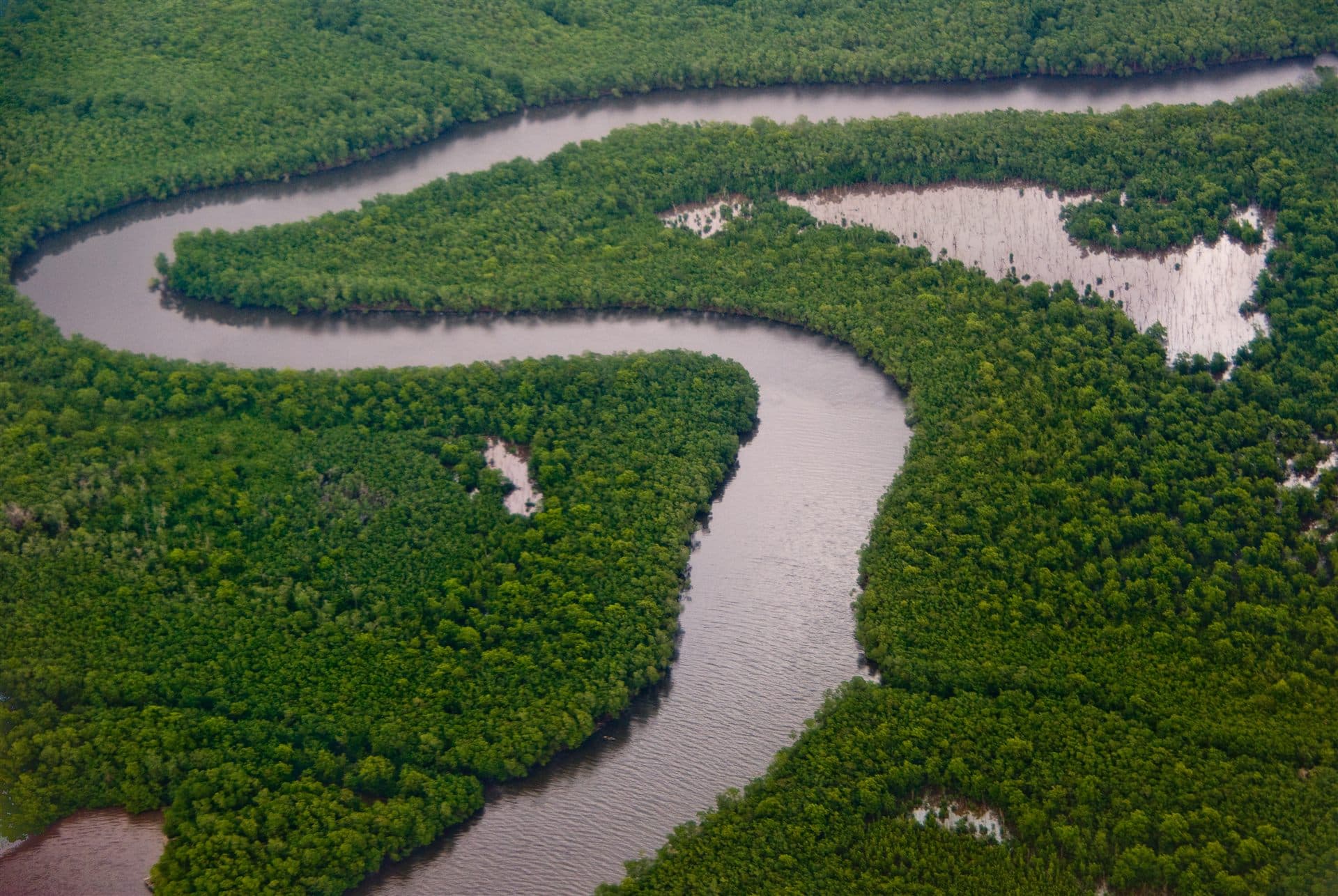
Caroni Swamp Game Sanctuary
Game Sanctuary · Conservation of Wildlife Act
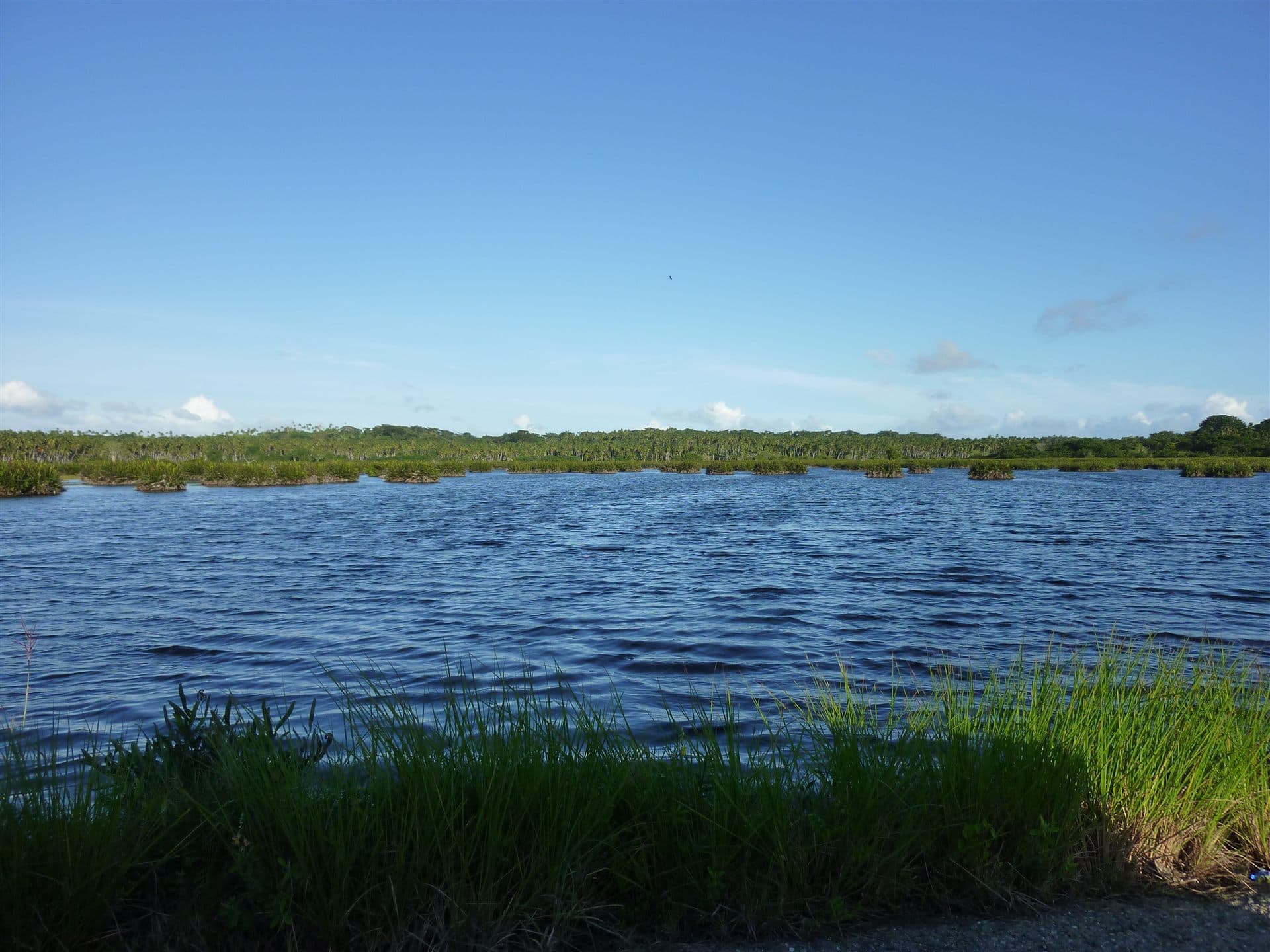
Central Range Game Sanctuary
Game Sanctuary · Conservation of Wildlife Act
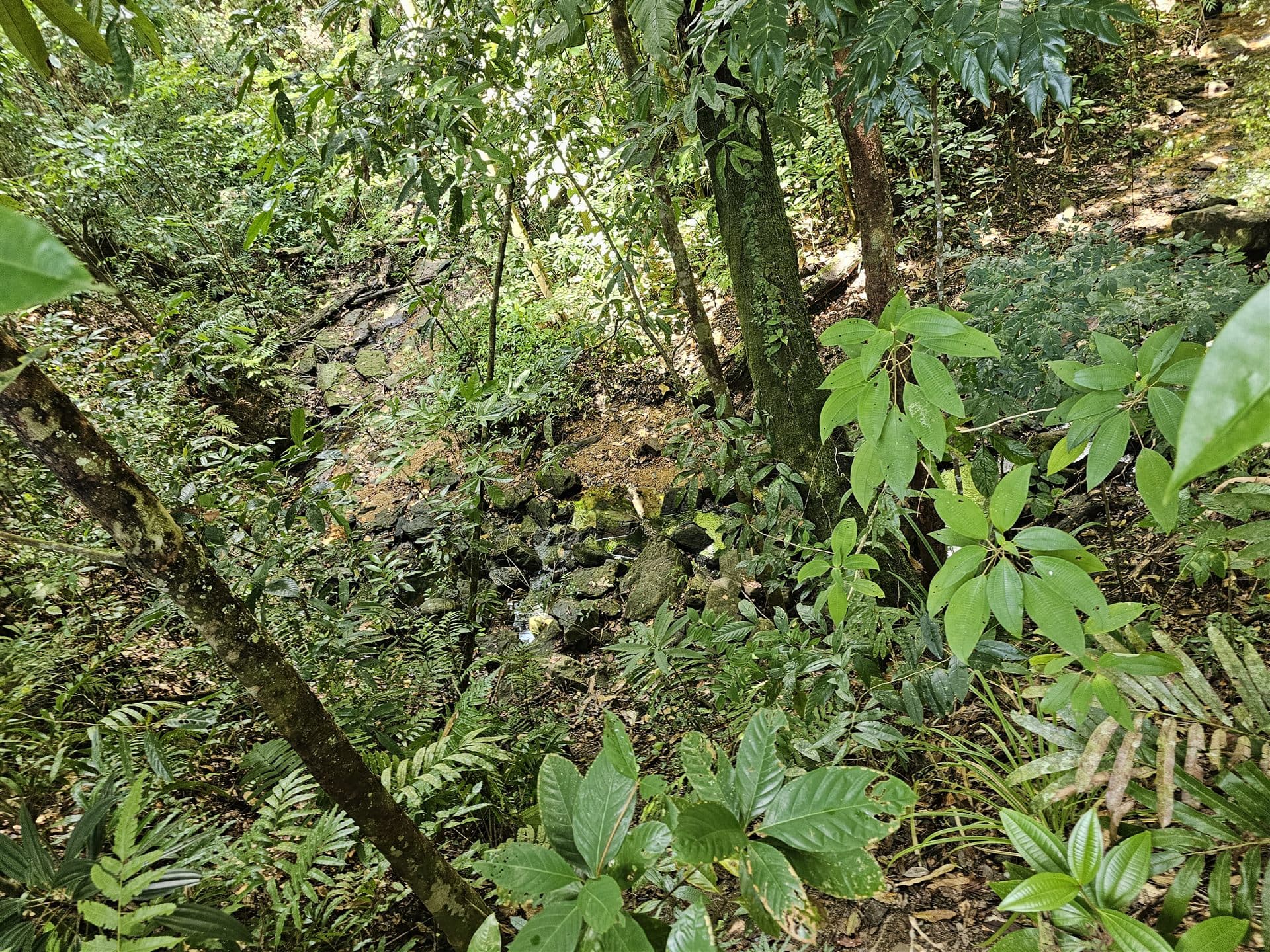
Morne L'Enfer Game Sanctuary
Game Sanctuary · Conservation of Wildlife Act